




What's Happening?
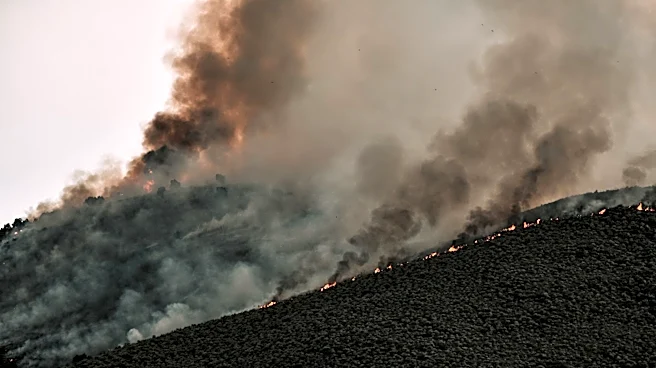
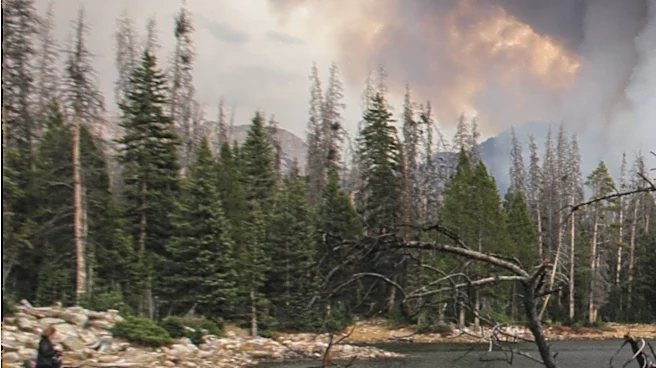
Governor Brad Little of Idaho has declared a disaster emergency in response to severe wildfire conditions threatening communities and natural resources across the state. The declaration, signed on Tuesday, authorizes the deployment of the Idaho National
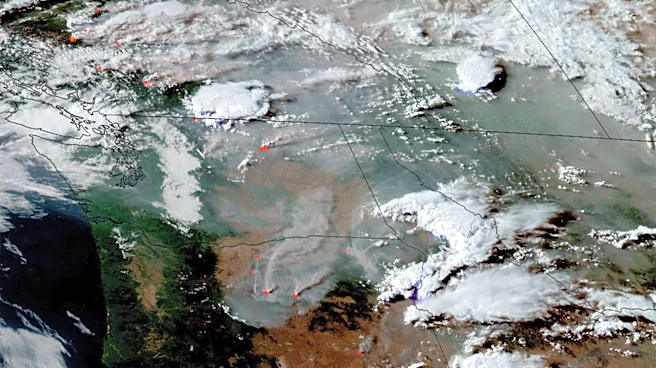
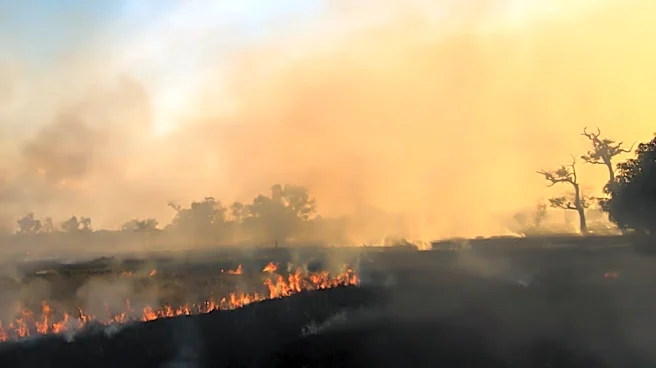
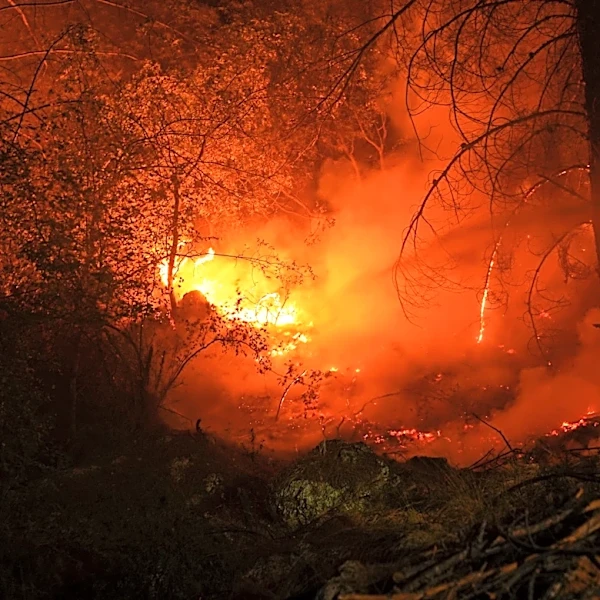
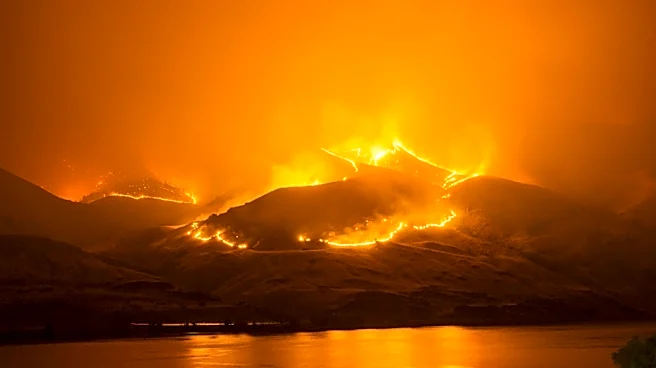
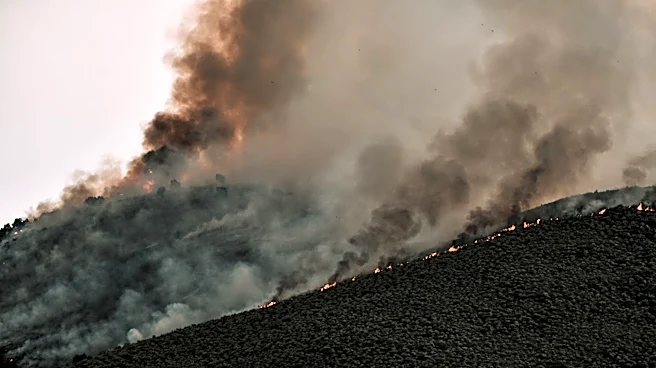
Guard to assist with firefighting efforts, particularly focusing on the Big Grass Fire in Owyhee County. This move comes as Idaho faces extreme fire conditions due to prolonged drought, high temperatures, and increased wildfire activity. The emergency declaration aims to mobilize additional state resources to support local jurisdictions and firefighters as they combat the challenging conditions. The Idaho Department of Lands has expressed appreciation for the Governor's proactive measures, which are crucial as the state enters a critical period of the 2026 fire season.
Why It's Important?
The declaration of a disaster emergency by Governor Little underscores the severity of the wildfire threat in Idaho, which poses significant risks to lives, property, and the environment. By deploying the Idaho National Guard, the state is enhancing its firefighting capabilities, which is vital given the strained resources due to ongoing fires. This action highlights the importance of state-level intervention in managing natural disasters, particularly as climate change contributes to more frequent and intense wildfire seasons. The decision also reflects the need for coordinated efforts between state agencies and local jurisdictions to effectively respond to and mitigate the impacts of wildfires.
What's Next?
With the disaster emergency in place, the Idaho National Guard will be actively involved in firefighting operations, providing additional equipment and personnel. The state will continue to monitor wildfire conditions closely, with the potential for further resource allocation as needed. The ongoing collaboration between the Idaho Department of Lands, local jurisdictions, and the National Guard will be crucial in managing the fire season. Additionally, the state may explore long-term strategies to enhance wildfire preparedness and resilience, including addressing factors such as drought and land management practices.