





What's Happening?
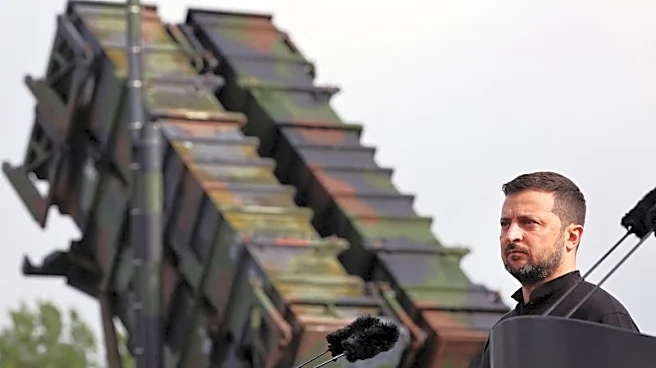
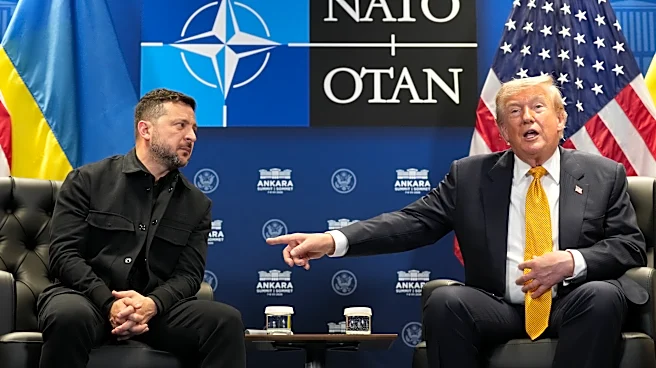
A recent opinion piece discusses the perceived double standards in how criticism of political leaders is treated in the media, particularly focusing on President Trump and Ukrainian President Volodymyr Zelensky. The article argues that criticism of Trump is often
seen as democratic scrutiny, while similar criticism of Zelensky is viewed as potentially aiding Russian President Vladimir Putin. This discrepancy highlights the complexities of media narratives and the influence of geopolitical considerations on public discourse. The piece calls for a more balanced approach to evaluating political criticism, regardless of its source.
Why It's Important?
The discussion of media double standards is significant as it reflects broader issues of bias and objectivity in journalism. How media outlets frame criticism of political figures can shape public perception and influence political outcomes. The article suggests that a more consistent approach to evaluating criticism could enhance media credibility and foster a more informed public. This issue is particularly relevant in the context of international relations, where media narratives can impact diplomatic efforts and geopolitical stability.
Beyond the Headlines
The article also raises questions about the role of media in shaping political discourse and the potential consequences of biased reporting. As media consumption becomes increasingly polarized, there is a risk that audiences may be exposed to skewed perspectives that reinforce existing biases. This discussion invites reflection on the responsibilities of journalists and media organizations to provide balanced and accurate reporting. It also highlights the importance of media literacy in helping audiences critically evaluate the information they consume.