






What's Happening?
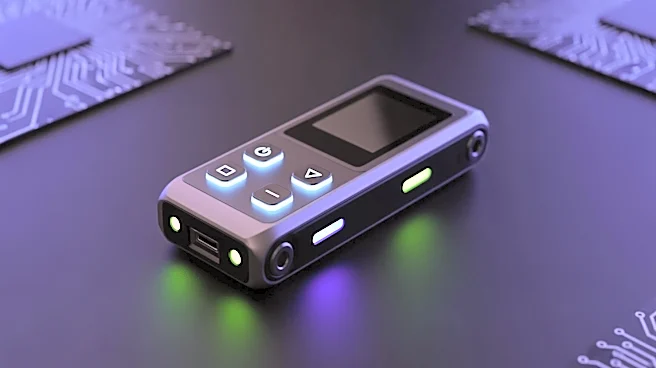
Flipper Devices, known for its Flipper Zero hacking tool, has announced a new device called Flipper One. This gadget is designed to function as a full-fledged Linux PC with extensive network connectivity. It features two Gigabit Ethernet ports, 5 Gbps
USB Ethernet, and Wi-Fi 6E, along with an M.2 port for connecting 5G modems, SDR modules, AI accelerators, or NVMe SSD storage. The device is currently in development and runs on 8 GB of RAM with two processors. The main processor is an octa-core RK3576 chip that operates an open Linux system, while a secondary dual-core Raspberry Pi RP2350 microcontroller manages the display, buttons, and power system. This setup allows the device to be used even when the Linux part is powered off. Flipper Devices is collaborating with Collabora to integrate the chip drivers into the main Linux Kernel. Additionally, the company is developing a custom operating system, Flipper OS, which enables users to switch between different profiles and configurations easily.
Why It's Important?
The introduction of Flipper One represents a significant advancement in the realm of hacking tools and network devices. By offering a device that can function as a Linux PC with robust connectivity options, Flipper Devices is catering to a niche market of tech enthusiasts and professionals who require versatile and powerful tools for network management and security testing. The ability to run local AI models and use the device as a router, VPN gateway, or media box expands its utility beyond traditional hacking tools. This development could influence the market for portable computing devices, particularly in sectors that prioritize security and network management. The collaboration with Collabora to integrate drivers into the Linux Kernel also highlights the company's commitment to open-source development, which could foster innovation and community engagement.
What's Next?
As Flipper One is still in the development phase, the next steps will likely involve further refinement of its hardware and software components. The company may conduct beta testing to gather user feedback and make necessary adjustments before the official release. The development of Flipper OS and the FlipperCTL interface will be crucial in determining the device's usability and appeal to its target audience. Additionally, Flipper Devices may explore partnerships with other tech companies to enhance the device's capabilities and market reach. The response from the tech community and potential users will be pivotal in shaping the future direction of this product.