





What's Happening?
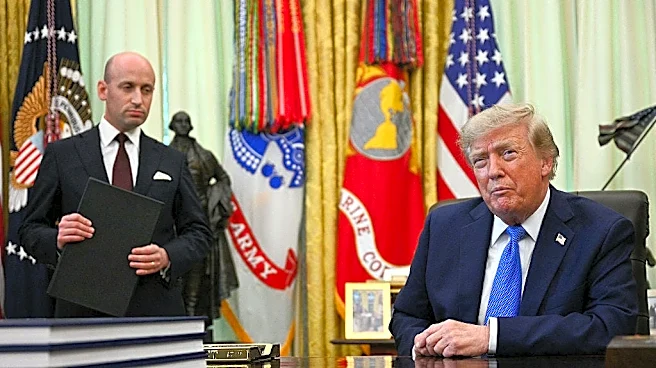
Recent executive orders concerning citizenship and birth tourism in the United States have not yet fully gone into effect and may face legal challenges. These orders aim to restrict birthright citizenship under specific conditions, such as if neither
parent is a U.S. citizen and certain criteria are met, including ties to terrorism or commercial birth transactions. The orders also target 'birth tourism,' where individuals travel to the U.S. primarily to give birth. This could affect tourists, students, and temporary workers, granting officers the authority to deny visas or deport individuals if they suspect the primary reason for travel is childbirth. The orders are expected to be detailed by September 2026, and individuals traveling while pregnant are advised to carry evidence of their trip's purpose.
Why It's Important?
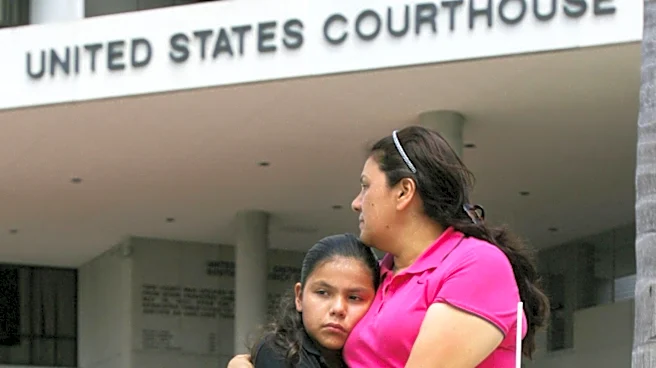
The executive orders could significantly impact immigration policy and the rights of children born in the U.S. to non-citizen parents. By potentially limiting birthright citizenship, the orders could alter the demographic landscape and affect families planning to have children in the U.S. The orders also raise concerns about the treatment of pregnant travelers, who may face increased scrutiny and questioning at borders. This could lead to legal challenges and debates over the interpretation and implementation of these orders, affecting U.S. immigration policy and international relations.
What's Next?
As the orders have not fully gone into effect, they may be subject to legal challenges that could delay or alter their implementation. Stakeholders, including legal experts and immigrant advocacy groups, are likely to scrutinize the orders and potentially challenge them in court. The government is expected to release detailed rules by September 2026, which will clarify the orders' application and enforcement. Travelers and those affected by the orders should stay informed about legal developments and prepare for potential changes in immigration procedures.