





What's Happening?
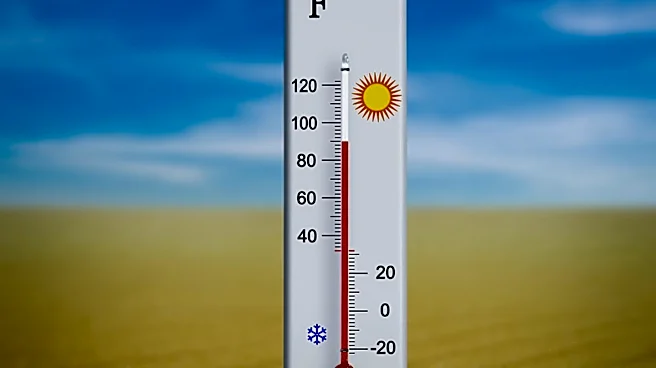
A recent climatology study has found that the frequency of heat domes in North America has been increasing annually since 1940, correlating with rising extreme heat due to human-caused climate change. A heat dome is a large, high-pressure air mass that traps
hot air and suppresses precipitation, leading to prolonged periods of extreme heat. The study projects that the number of heat domes in northwestern North America could nearly double by 2080 if carbon emissions continue at current levels. This phenomenon has already led to record high temperatures in several states, including a peak of 115 degrees in Miles City, Montana.
Why It's Important?
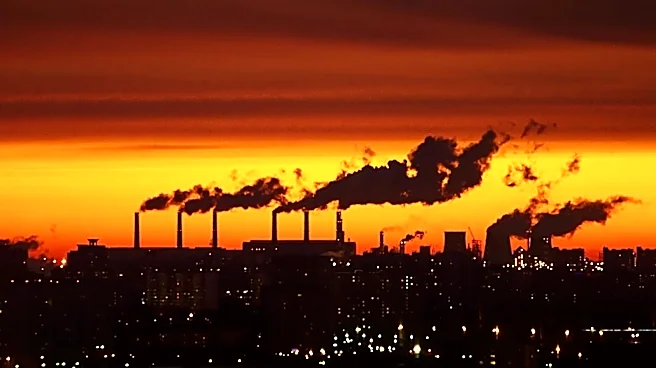
The increase in heat domes is a significant indicator of the broader impacts of climate change, posing serious risks to public health and safety. Extreme heat events can lead to higher rates of heat-related illnesses and strain healthcare systems. The findings of this study underscore the urgent need for comprehensive climate policies and mitigation strategies to address the root causes of climate change and protect vulnerable populations from its effects.
What's Next?
As climate change continues to drive extreme weather patterns, policymakers and communities will need to implement adaptive measures to mitigate the impacts of heat domes. This may include investing in infrastructure to withstand extreme heat, enhancing public health preparedness, and reducing carbon emissions to slow the progression of climate change. Ongoing research and monitoring will be crucial in understanding the evolving dynamics of heat domes and informing effective policy responses.