



What's Happening?
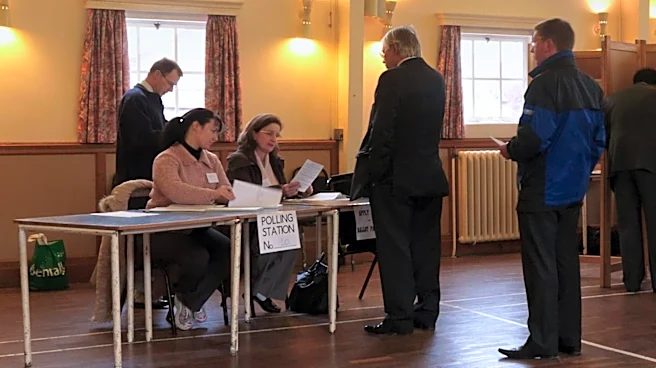
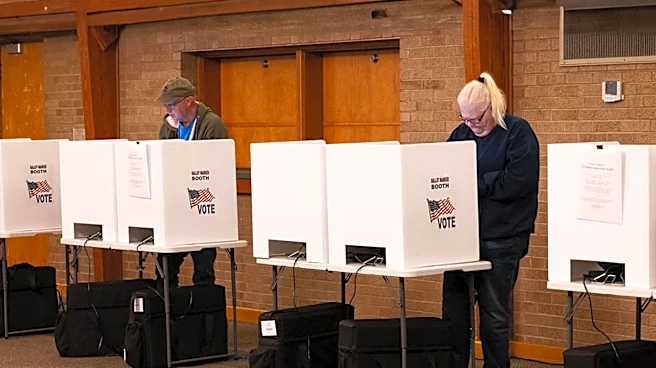
A report released by Observe New Mexico Elections, a nonpartisan organization, indicates that poll workers in a rural Union County polling location unlawfully required voters to present physical identification during the June primary election. New Mexico law does
not mandate voter ID for casting a ballot. According to the group, approximately 150 voters were "inappropriately asked" for ID at this specific site. Poll workers reportedly informed voters that while ID was not currently mandatory, it would eventually become so, encouraging them to get accustomed to the practice. The organization, which deployed 45 volunteers across the state, characterized the primary election as "generally calm, orderly, and well-administered" overall, but highlighted this issue in Union County as a significant challenge. Union County Clerk Devian Fields has not responded to requests for comment regarding these allegations.
Why It's Important?
This incident in Union County, New Mexico, is significant as it directly challenges the integrity and accessibility of the electoral process. Requiring identification where it is not legally mandated can disenfranchise eligible voters, particularly those in rural areas who may have limited access to official IDs or may not be aware of the specific legal requirements. The reported justification by poll workers—that voters should get used to presenting ID for future elections—raises concerns about potential misinformation and the consistent application of election laws. This situation could erode voter confidence and lead to accusations of voter suppression, especially in a predominantly Republican county where such practices might be perceived differently. The findings by Observe New Mexico Elections underscore the critical role of election observers in ensuring transparency and adherence to legal protocols, highlighting the need for rigorous poll worker training and clear communication of voting laws to prevent such incidents from recurring.
What's Next?
Observe New Mexico Elections plans to share its findings and recommendations with county and election officials to improve voter processes before the November 3 general election. Specifically, the group has recommended that Union County update its poll worker training to ensure compliance with state law regarding voter check-in procedures. Union County officials have been provided with early drafts of the report, though the County Clerk has not yet publicly affirmed or denied the observations. The organization did not report similar illegal identification requirements in other polling sites observed across the state. This incident may prompt a review of training materials and oversight mechanisms for poll workers in Union County and potentially other rural areas to prevent future non-compliance with state election laws. The focus will likely be on ensuring that all poll workers are fully informed and correctly implement voting procedures to protect voter rights and maintain election integrity.
Beyond the Headlines
The reported ID requirement in Union County touches upon broader national debates surrounding voter access and election security. While New Mexico law does not require ID, many states have implemented or are considering stricter voter ID laws, often citing concerns about fraud. This incident, however, demonstrates how even in the absence of such laws, local practices can inadvertently or intentionally create barriers to voting. The suggestion by poll workers that voters should 'get used to' presenting ID hints at a potential cultural shift or anticipation of future legislative changes, which could influence voter behavior and participation. This situation also highlights the ongoing tension between ensuring election integrity and safeguarding voter accessibility, particularly for marginalized or less informed populations. The role of nonpartisan observer groups becomes crucial in identifying and addressing these discrepancies, serving as a check on local election administration and advocating for consistent application of voting rights across diverse communities.