





What's Happening?
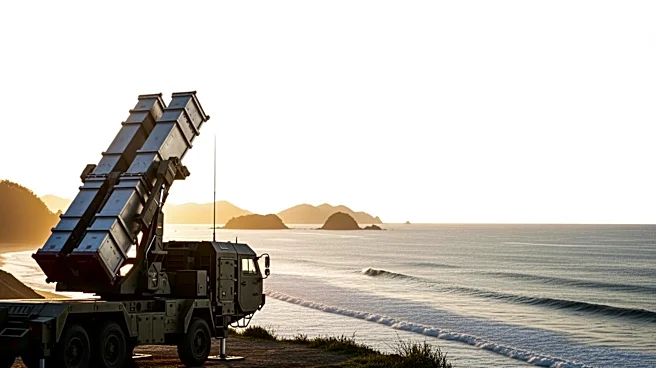
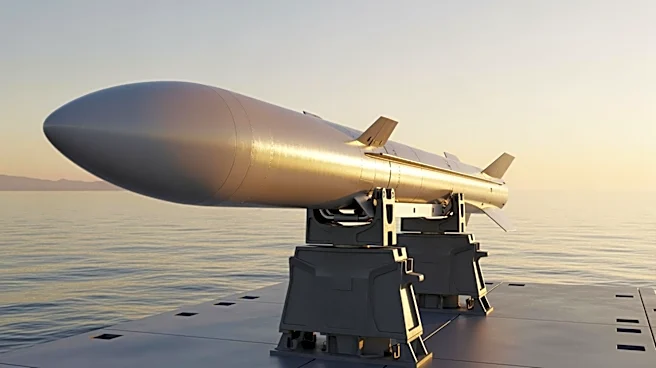
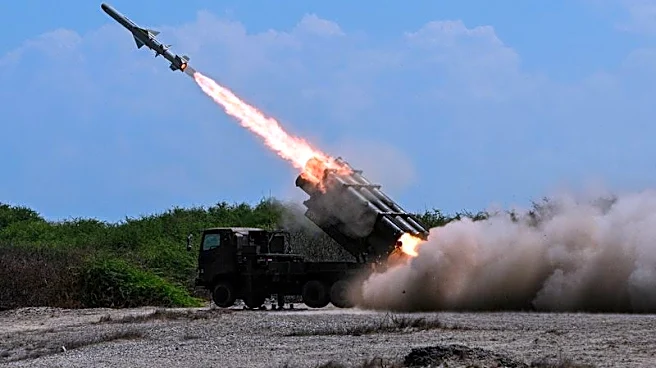
The U.S. and its allies, including Japan and the Philippines, have conducted military exercises near key Asian flash points, such as Taiwan and the South China Sea. The drills, part of the Balikatan exercise, involved over 17,000 troops and tested new
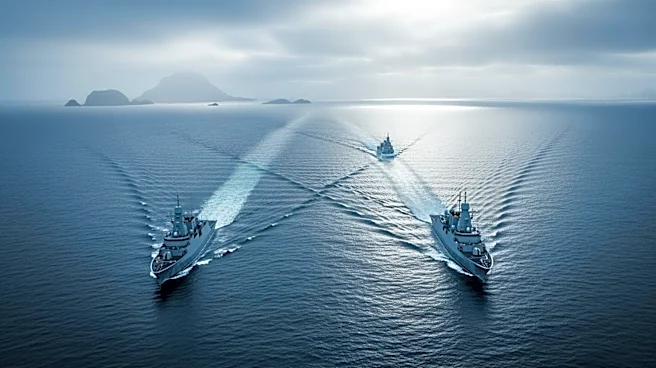
weapons and strategies. The exercises are designed to enhance collective deterrence and prevent any single nation, particularly China, from dominating the region. In response, China conducted its own naval drills. The exercises reflect shifting alliances and the evolving military strategies of the U.S. and its partners in the face of China's growing military capabilities.
Why It's Important?
These military drills underscore the strategic importance of the Asia-Pacific region and the ongoing geopolitical tensions involving China. The exercises aim to strengthen military cooperation among U.S. allies and demonstrate a unified front against potential aggression. The involvement of multiple nations highlights the complexity of regional security dynamics and the need for coordinated defense strategies. The drills also reflect the U.S.'s commitment to maintaining a balance of power in the region, which is crucial for global stability and economic interests.
What's Next?
The continuation of such military exercises is likely as the U.S. and its allies seek to reinforce their presence in the region. Future drills may involve more advanced technologies and expanded participation from other nations. The response from China and its military activities will be closely monitored, as they could influence the strategic calculations of the U.S. and its allies. Diplomatic efforts may also be pursued to manage tensions and prevent escalation.