





What's Happening?
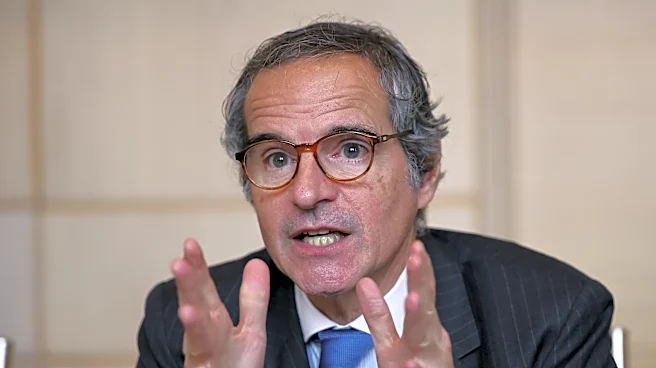
Avner Vilan, a former senior Israeli defense official and Iran nuclear expert, has expressed skepticism regarding any potential nuclear agreement between the United States and Iran. Vilan highlights Iran's history of deception in past negotiations, suggesting
that Tehran's stockpile of enriched uranium remains a central issue. He notes that Iran holds approximately 450 kilograms of enriched uranium, which could potentially lead to the creation of multiple nuclear bombs. Vilan emphasizes that any agreement must ensure the neutralization of this material, a condition he believes is fundamental for American approval. Despite potential flexibility from Iran, Vilan doubts the credibility of future Iranian declarations, citing past instances of misinformation. He also mentions the possibility of Iran accepting minimal enrichment in exchange for relief from sanctions, though he remains pessimistic about limiting Iran's ballistic missile program.
Why It's Important?
The potential US-Iran nuclear agreement carries significant implications for international security and regional stability. If Iran's enriched uranium is not effectively neutralized, it could pose a threat to global peace, given the potential for nuclear weapon development. The agreement's success or failure could impact US foreign policy and its relations with Middle Eastern allies, particularly Israel. Economically, a deal could strengthen Iran's regime by lifting sanctions, affecting global oil markets and regional economic dynamics. The skepticism expressed by Vilan underscores the challenges in negotiating with Iran, highlighting the need for stringent verification measures to ensure compliance and prevent nuclear proliferation.
What's Next?
Negotiations between the US and Iran are likely to continue, with both sides weighing the benefits and risks of a potential agreement. The US may push for stricter verification protocols to ensure Iran's compliance, while Iran may seek economic incentives and relief from sanctions. The outcome of these negotiations could influence US diplomatic strategies and its approach to Middle Eastern geopolitics. Stakeholders, including Israel and other regional powers, will closely monitor developments, potentially influencing their own security and diplomatic policies.