






What's Happening?
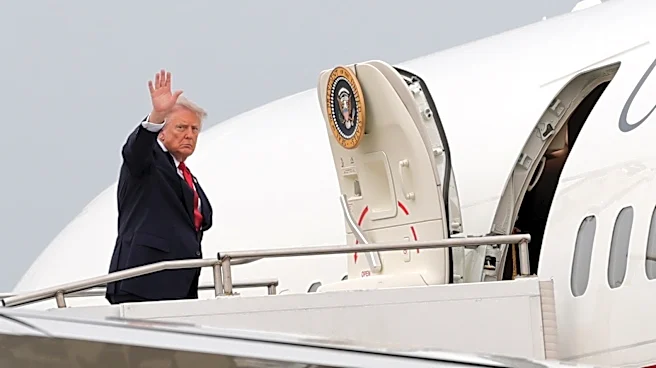
President Trump has unveiled a midterm election strategy centered on implementing voting restrictions rather than traditional campaigning. During a rally in Michigan, Trump emphasized the need for restrictive voter ID laws and proof-of-citizenship requirements,
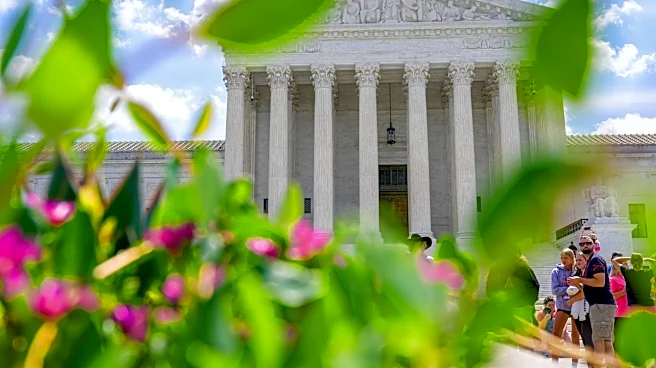
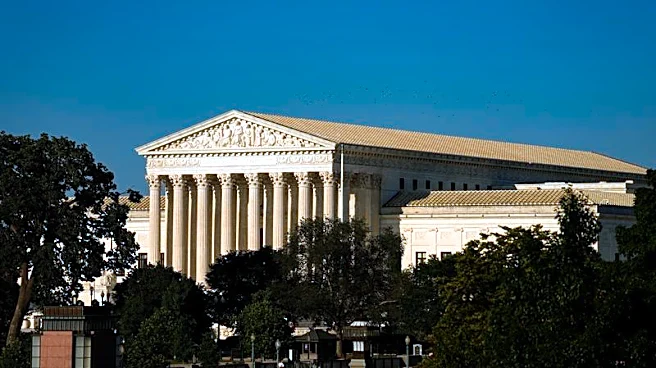
promoting the SAVE America Act, which could disenfranchise millions of voters. This approach is part of a broader effort to control voter eligibility rather than expand voter support. Trump's administration has also filed an emergency appeal to the Supreme Court to alter mail-in voting rules, following a federal court's injunction against his executive order aimed at centralizing election control.
Why It's Important?
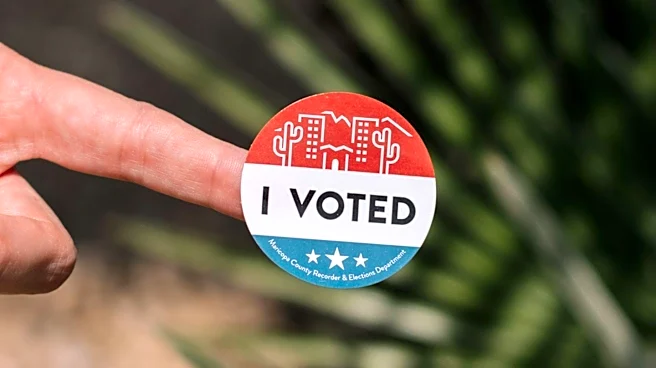
Trump's strategy highlights a significant shift in electoral tactics, focusing on limiting voter access rather than broadening electoral appeal. This approach could have profound implications for voter turnout and the democratic process, potentially disenfranchising marginalized groups who may face challenges in meeting new voting requirements. The emphasis on voting restrictions reflects ongoing debates about election security and voter suppression, with potential impacts on the balance of power in Congress. The legal battles surrounding these measures could set precedents for future election laws and policies.
What's Next?
The Supreme Court's decision on the emergency appeal will be pivotal in determining the immediate future of mail-in voting regulations. Additionally, the political and public response to Trump's strategy may influence legislative actions and voter mobilization efforts leading up to the midterms. The outcome of these legal and political maneuvers will likely shape the electoral landscape and could prompt further legal challenges or legislative initiatives aimed at protecting or restricting voting rights.