




What's Happening?
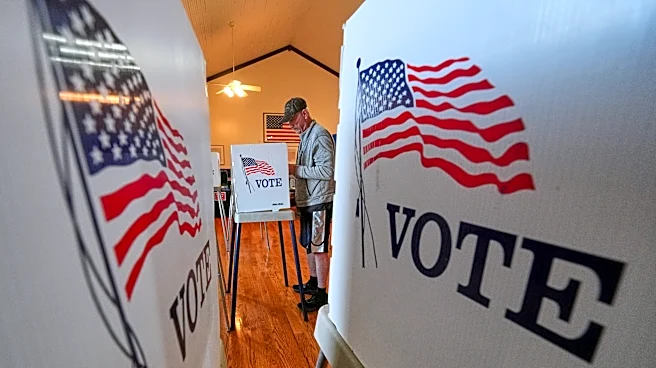
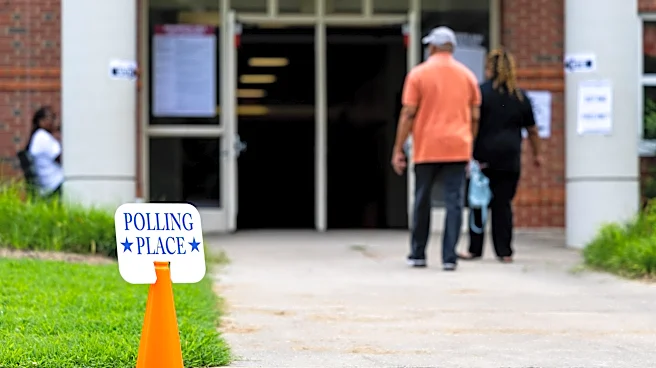
Richard Burr has been elected to a City Council seat in Locust, North Carolina, following the recent municipal elections. Burr secured 815 votes, placing him among the top three candidates who won seats on the council. Mandy Watson led the field with
1,079 votes, while Patty Harris also won a seat with 754 votes. The election saw a crowded field of candidates vying for the three available positions. Incumbents Barry Sims and Roger L. Hypes were not re-elected. Mayor Steve Huber ran unopposed in Locust, which spans both Stanly and Cabarrus counties. The election results were part of broader municipal contests across Stanly County, where voters selected leaders for various city and town councils.
Why It's Important?
The election of Richard Burr to the Locust City Council signifies a shift in local governance, with new representation joining the existing council members. His victory, alongside Mandy Watson and Patty Harris, indicates the community's choices for local leadership and priorities. The outcome reflects the democratic process at the municipal level, where citizens directly elect officials responsible for local policy-making, budget allocation, and community development. Changes in council composition can influence decisions on local infrastructure, public services, zoning, and economic initiatives, directly impacting the daily lives of Locust residents. The defeat of incumbent council members also suggests a desire for new perspectives or approaches within the local government.
What's Next?
Following the certification of election results, Richard Burr will assume his role on the Locust City Council. His term will involve participating in council meetings, voting on local ordinances, and contributing to the strategic direction of the city. The newly constituted council will likely address ongoing community projects, budget planning for the upcoming fiscal year, and any new initiatives brought forward by its members or the mayor. Residents can expect the new council to begin setting its agenda and priorities in the coming months, potentially leading to discussions on local development, public safety, and community engagement. The transition will also involve new council members familiarizing themselves with city operations and existing policies.
Beyond the Headlines
The outcome of local elections like the one in Locust often reflects broader community sentiments and priorities that may not always be apparent at a glance. The success of new candidates like Richard Burr can signal a desire for fresh leadership or a response to specific local issues that resonated with voters. These municipal elections are crucial for the democratic health of a community, as they determine who will make decisions directly affecting local services, quality of life, and future growth. The nonpartisan nature of these elections often means that candidates' local platforms and community involvement play a more significant role than national political affiliations, fostering a focus on immediate, tangible community needs and solutions.