

What's Happening?
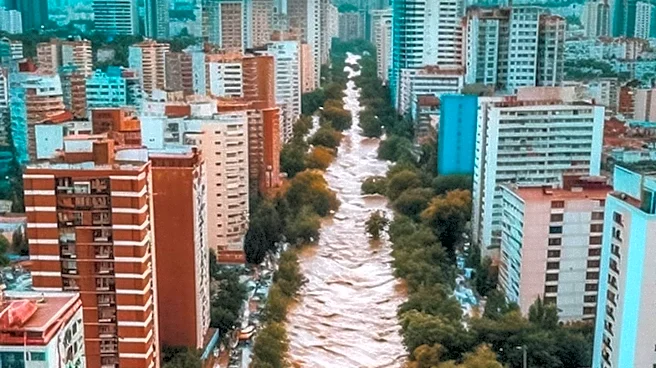
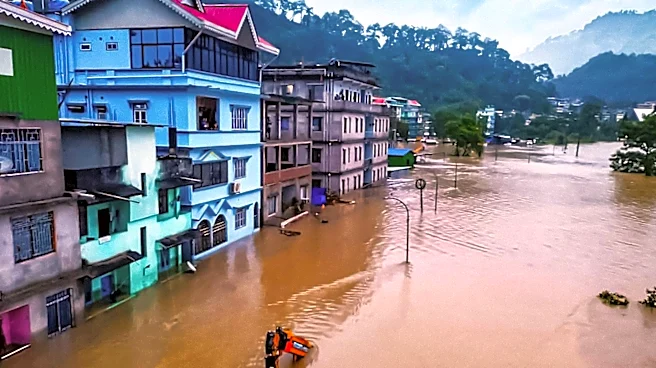
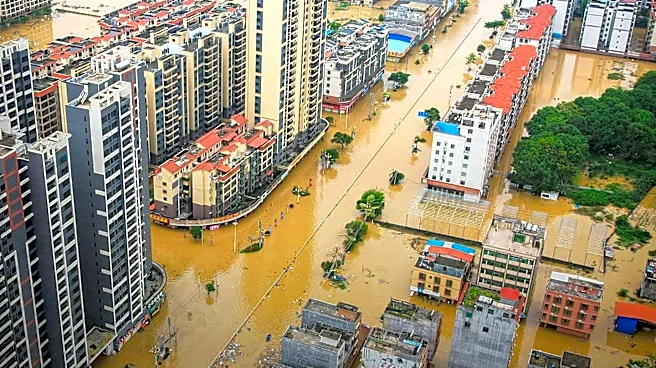
The American Red Cross of Colorado and Wyoming, in collaboration with its partners, has opened disaster recovery assistance centers across southwestern Colorado. These centers are designed to provide recovery assistance to individuals and families who
qualify and have been impacted by recent flooding in the region. Three specific centers have been established to serve residents in the affected areas. The American Red Cross is a non-profit organization that relies on volunteers and public generosity to fulfill its mission, which includes sheltering, feeding, and comforting disaster victims, supplying blood, teaching life-saving skills, distributing international humanitarian aid, and supporting military families.
Why It's Important?
The opening of disaster assistance centers by the American Red Cross is crucial for communities in southwestern Colorado recovering from recent flooding. These centers provide immediate and localized support, helping affected residents navigate the complex process of disaster recovery. By offering direct assistance, the Red Cross helps alleviate the immediate burdens on families, such as housing, food, and emotional support, which are critical in the aftermath of a natural disaster. This localized response is vital for ensuring that aid reaches those most in need efficiently and effectively, contributing to the overall resilience and recovery of the affected communities. The reliance on volunteers and public donations underscores the community-driven nature of disaster response in the U.S.
What's Next?
The disaster assistance centers will continue to operate, providing recovery assistance to eligible residents in southwestern Colorado. The American Red Cross and its partners will likely assess the ongoing needs of the affected communities to determine the duration and scope of their services. This may involve continued distribution of aid, case management, and connecting individuals with additional resources. The organization will also likely engage in long-term recovery planning, which could include preparedness programs for future natural disasters. Public support through donations and volunteering will remain essential for sustaining these efforts.
Beyond the Headlines
The recurring need for disaster assistance centers in regions like southwestern Colorado highlights the increasing frequency and intensity of natural disasters, often linked to climate change. While immediate relief efforts are critical, the long-term implications extend to community resilience, infrastructure development, and public policy on disaster preparedness. The Red Cross's role as a key responder underscores the importance of robust non-profit organizations in supplementing governmental responses. Beyond the immediate aid, these events often lead to discussions about land use planning, early warning systems, and insurance coverage, all of which are vital for mitigating future impacts and ensuring sustainable recovery for vulnerable communities.