







What's Happening?
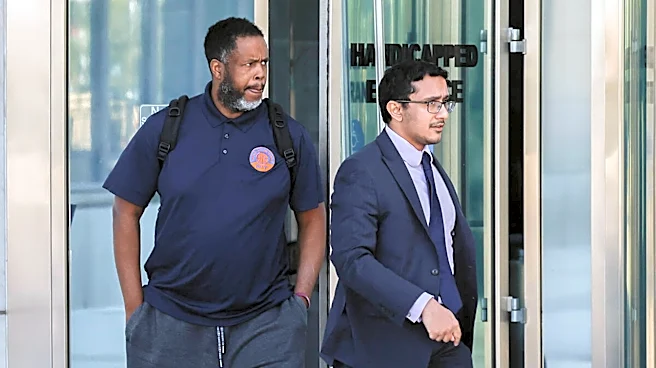
Shahriar 'Sean' Loloee, a former Sacramento city councilman, has pleaded guilty to multiple charges including fraud and money laundering. Loloee admitted to obstructing Labor Department investigations and committing tax fraud related to his Viva Supermarket
stores. Additionally, he fraudulently obtained over $1 million in COVID relief funds. Loloee faces a maximum sentence of 59 years in federal prison for the seven charges against him, which include conspiracy to obstruct agency proceedings, conspiracy to defraud the IRS, filing false tax returns, money laundering, and wire fraud. As part of his plea agreement, Loloee will repay $1.2 million to the U.S. Small Business Administration and surrender $1 million in personal assets. He is also required to hand over personnel files containing counterfeit immigration documents seized during a federal raid in October 2023. Despite the charges, Loloee defended his labor practices and denied employing undocumented workers.
Why It's Important?
This case highlights significant issues related to fraud and misuse of government funds, particularly during the COVID-19 pandemic. The fraudulent acquisition of relief funds intended to support struggling businesses undermines public trust in government programs and can lead to stricter regulations and oversight. Loloee's actions also reflect broader concerns about accountability and transparency among public officials. The case may prompt increased scrutiny of how relief funds are distributed and monitored, potentially affecting future policy decisions. Additionally, the legal consequences faced by Loloee serve as a deterrent to others who might consider similar fraudulent activities.
What's Next?
Loloee is scheduled for sentencing on October 15, where he could face up to 59 years in federal prison. The outcome of this case may influence future enforcement actions by federal agencies, particularly in relation to fraud and misuse of relief funds. It could also lead to legislative changes aimed at preventing similar abuses in the future. Stakeholders, including government agencies and policymakers, may push for more stringent measures to ensure the integrity of relief programs and protect taxpayer dollars.