








What's Happening?
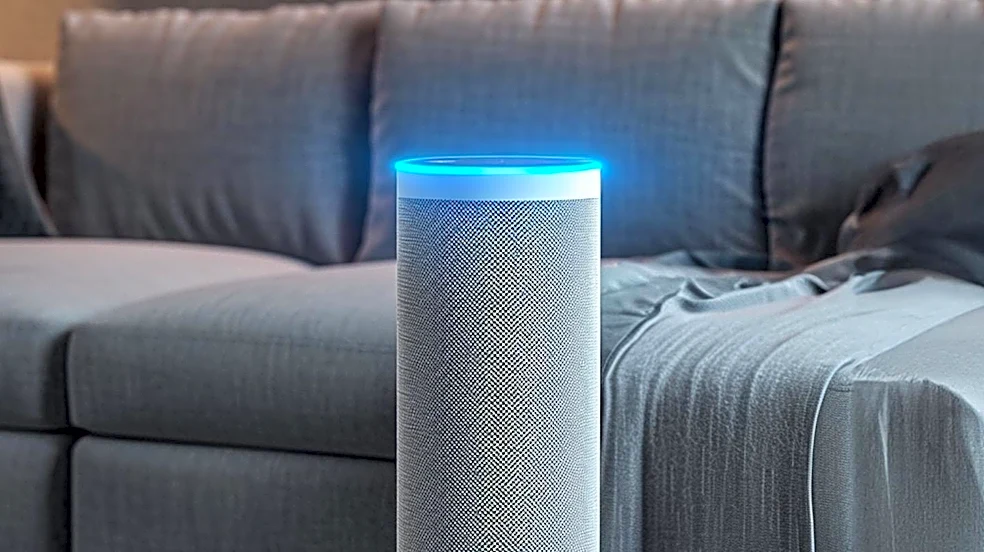
In Maine, programs like Lifelong Maine are actively distributing smart home devices, such as smart speakers, lightbulbs, and plugs, to older adults to support independent living and enhance safety. Peter Carrier, a 72-year-old resident, is among hundreds
who have received these free devices. The initiative aims to help seniors manage daily activities, provide emergency assistance, and maintain social connections, especially as Maine's elderly population is projected to increase significantly. Many recipients, including Carrier, have integrated these devices into their routines for tasks like medication reminders and accessing information. The program also addresses the digital divide by providing training and support, recognizing that while technology offers solutions, barriers like internet access and cost remain for some older adults.
Why It's Important?
This initiative is important because it directly addresses the growing need for supportive infrastructure for an aging population in the U.S. Maine's proactive approach to integrating smart home technology into senior care highlights a potential model for other states facing similar demographic shifts. By enabling older adults to 'age in place,' these programs can reduce the strain on formal care systems, improve the quality of life for seniors, and foster greater independence. The distribution of free devices and associated training also helps bridge the technology gap for low-income seniors, ensuring that the benefits of smart home technology are accessible to a wider demographic. This effort could lead to broader policy discussions on funding and implementing similar programs nationwide, impacting healthcare costs, social services, and the overall well-being of the elderly.
What's Next?
The future will likely see continued efforts to expand the reach of smart home technology to more older adults in Maine, with a focus on overcoming existing barriers such as internet access and digital literacy. Programs may evolve to offer more tailored solutions, including devices with features like live captioning for individuals with hearing impairments, as suggested by advocate Andy Chandler. There will also be an increased emphasis on educating seniors about online safety and fraud prevention, given the vulnerabilities highlighted by cases like Peter Carrier's. Furthermore, the success of these initiatives could encourage more municipalities and federal programs to invest in similar technology distribution and support systems, potentially leading to a more integrated and technologically advanced approach to senior care across the U.S.
Beyond the Headlines
Beyond the immediate benefits of safety and convenience, the widespread adoption of smart home technology among seniors has deeper implications for societal perceptions of aging and independence. It challenges traditional notions of elder care, shifting the focus from institutionalization to empowering individuals to maintain autonomy in their own homes. This technological integration also raises ethical considerations regarding data privacy, the potential for over-reliance on technology, and the importance of human connection alongside digital assistance. The development of robotic companions like ElliQ further blurs the lines between technology and companionship, prompting discussions about the role of AI in addressing loneliness and providing emotional support for isolated seniors. Ultimately, these advancements could reshape the social fabric of aging, fostering a more inclusive and technologically supported environment for older generations.