



What's Happening?
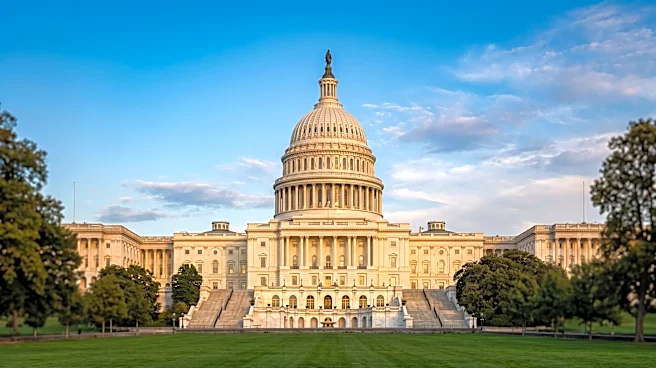
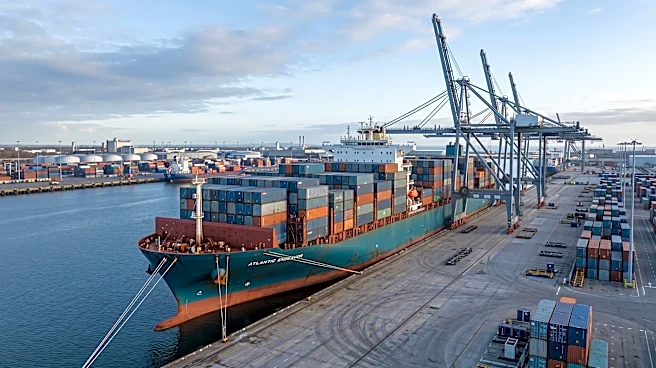
Congress is currently evaluating a series of Congressional Review Act (CRA) resolutions that aim to dismantle state-level clean air protections. These resolutions specifically target standards designed to reduce toxic diesel pollution emanating from ships
and commercial harbor craft. A vote on these measures is anticipated in the House this week. The proposed repeal would specifically impact California's long-standing maritime clean-air waivers, which have been in effect for years, aiming to cut dangerous pollution in communities situated near some of the nation's busiest ports. The Sierra Club's Climate Policy Director, Patrick Drupp, has voiced strong opposition, stating that such actions would force companies to burn more diesel, thereby exacerbating pollution around ports without offering any consumer price benefits. This legislative push follows a federal judge's preliminary injunction against the EPA, which had unlawfully reclassified several clean air waivers to facilitate their repeal through the expedited CRA process.
Why It's Important?
The potential rollback of state clean air protections carries significant implications for public health and environmental policy across the U.S., particularly in port communities. These areas often bear a disproportionate burden of air pollution due to heavy maritime traffic. Repealing California's waivers, which have successfully reduced diesel emissions, could set a precedent for weakening environmental regulations nationwide. This move could lead to increased respiratory illnesses and other health issues for residents living near ports, as companies would be permitted to use more polluting fuels. Economically, while proponents might argue for reduced operational costs for shipping companies, the long-term societal costs associated with increased healthcare expenditures and environmental degradation could be substantial. The debate also highlights a broader conflict between federal oversight and state autonomy in environmental regulation, with the EPA's actions and Congress's response potentially undermining established state-level efforts to protect their citizens' health and environment.
What's Next?
The immediate next step is the anticipated vote in the House on the Congressional Review Act resolutions. Should these resolutions pass, they would effectively repeal California's maritime clean air waivers, leading to a significant increase in diesel pollution from ships and harbor craft in port communities. Environmental advocacy groups, such as the Sierra Club, are expected to continue their strong opposition, potentially escalating their efforts through public education campaigns, lobbying, and legal challenges to prevent the rollback of these protections. The outcome of these votes will also likely influence future legislative attempts to either strengthen or weaken environmental regulations at both federal and state levels. Furthermore, the legal battle surrounding the EPA's reclassification of waivers could continue, potentially leading to further court decisions that impact the enforceability of clean air standards.
Beyond the Headlines
This legislative effort extends beyond immediate environmental concerns, touching upon fundamental questions of federalism and the balance of power between federal agencies and state governments. The EPA's reclassification of waivers, deemed unlawful by a federal judge, suggests a potential overreach of federal authority aimed at circumventing established environmental protections. This could set a dangerous precedent, allowing future administrations to dismantle state-level regulations through expedited legislative processes, thereby undermining states' abilities to address local environmental and public health challenges. The argument that repealing these protections would not lower consumer prices also highlights a potential disconnect between stated economic justifications and actual outcomes, raising ethical questions about prioritizing corporate interests over public health. This situation underscores the ongoing tension between economic development and environmental stewardship, particularly in industries with significant environmental footprints.