

What's Happening?
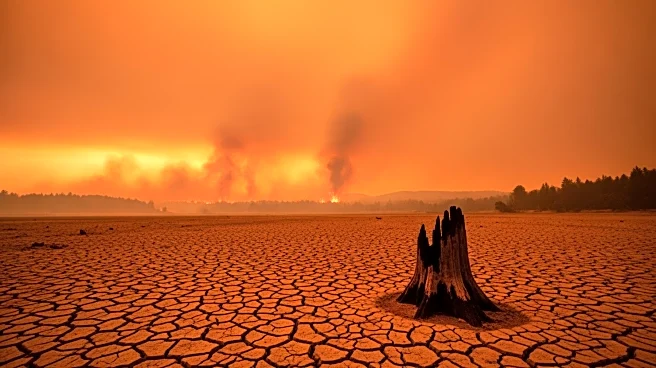
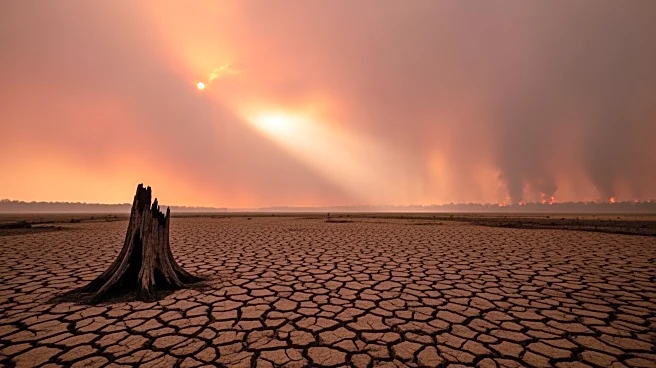
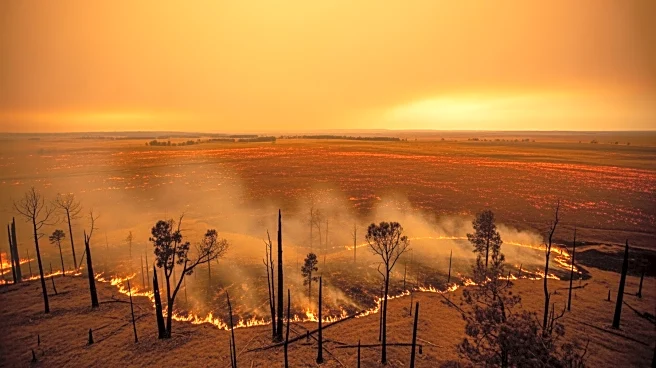
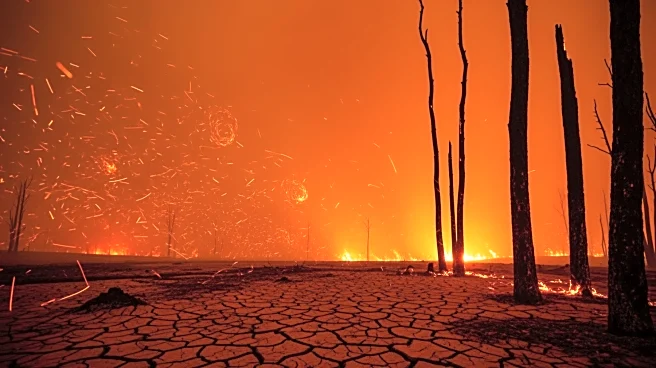
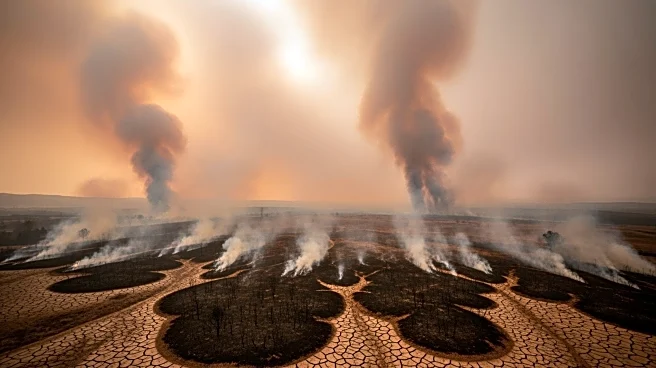
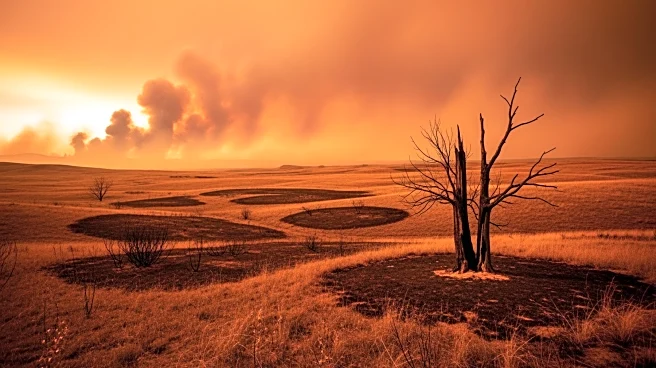
A rapidly spreading wildfire in the Oklahoma panhandle has doubled in size, extending into Kansas and raising fire risks across West Texas and New Mexico. The Ranger Road Fire has consumed over 283,000 acres in Oklahoma and Kansas, significantly impacting
the region. Oklahoma has reported 33 fires and hotspots across nearly two dozen counties, with some areas experiencing brief evacuations. Although a slight reprieve is expected with cooler temperatures and increased humidity, winds are predicted to intensify in West Texas, exacerbating fire risks. Despite the extensive damage, the wildfires have not yet affected oil or natural gas production in Oklahoma, a key area for drilling and pipeline operations.
Why It's Important?
The expansion of the wildfire poses significant threats to both the environment and local economies. The affected areas are crucial for agriculture, particularly cattle ranching, which is a major industry in the region. The Oklahoma Cattlemen’s Foundation has initiated a relief fund to support ranchers impacted by the fires. Additionally, the proximity of the fires to major oil storage and refining facilities underscores the potential for economic disruption. While no immediate impact on oil production has been reported, the situation remains precarious, with the potential to affect energy markets if the fires continue to spread.
What's Next?
The immediate focus is on containing the fires and preventing further spread, especially as weather conditions remain volatile. Firefighting efforts will likely intensify, with resources being allocated to protect critical infrastructure and residential areas. The ongoing drought conditions in Texas and the Great Plains suggest that fire risks will persist, necessitating continued vigilance and preparedness. Stakeholders, including local governments and agricultural organizations, will need to coordinate relief efforts and assess long-term recovery strategies for affected communities.