




What's Happening?
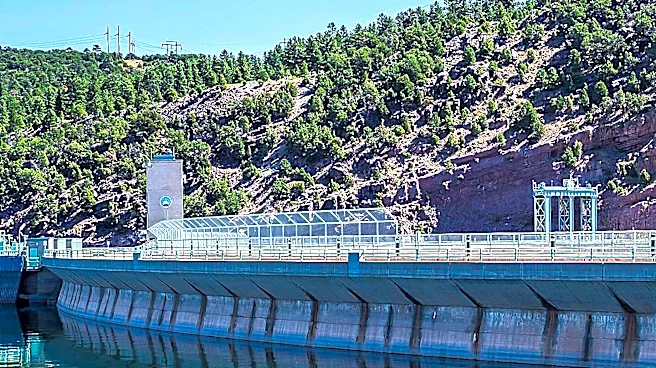
Omaha's dam site lakes, including Standing Bear, Cunningham, Wehrspann, and Zorinsky, were primarily constructed for flood control in the Papillion Creek basin following devastating floods in the mid-1960s. The Papillion Creek basin, spanning Douglas,
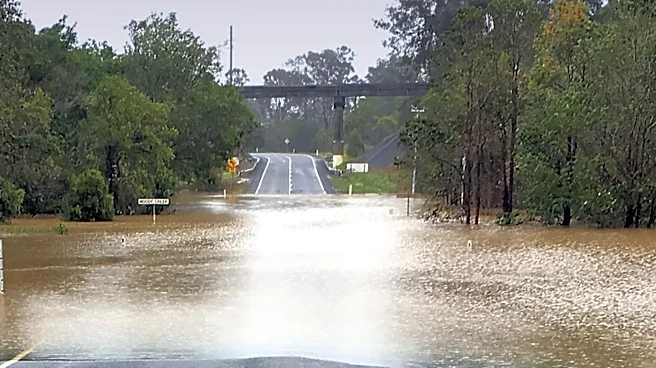
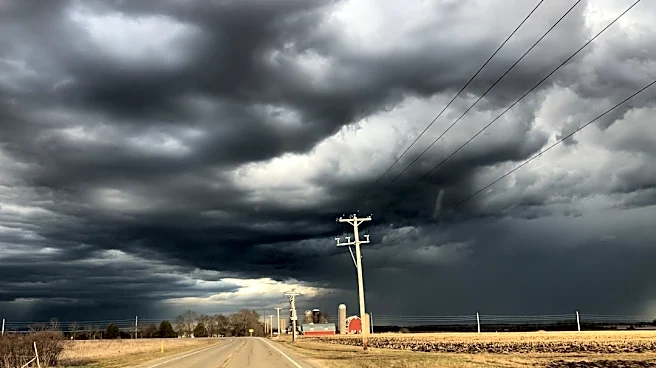
Sarpy, and Washington Counties, is prone to inland flooding due to heavy thunderstorms. As urban development replaced farmland, the increased runoff from impervious surfaces like roads and buildings exacerbated flash flooding. In response, Congress authorized 21 dam sites in 1968, with four federal projects completed by the U.S. Army Corps of Engineers. Since then, the Papio-Missouri River Natural Resources District (NRD) has built additional reservoirs. Despite these efforts, the basin continues to experience significant flooding, with three 100-year storm events occurring within six weeks in 2024, pushing the existing systems to their limits. The NRD continues to build more reservoirs to manage the increasing frequency of large runoff events attributed to climate change.
Why It's Important?
The ongoing development and maintenance of Omaha's dam site lakes are critical for protecting communities and infrastructure in the Papillion Creek basin. With 4,700 structures valued at $1.9 billion within the 500-year floodplain and tens of thousands of people at risk during flood events, these flood control measures are essential for public safety and economic stability. The increasing frequency and intensity of rainfall, linked to climate change, underscore the urgent need for robust water management strategies. The lakes also provide significant recreational opportunities, enhancing the quality of life for residents. However, the strain on existing capacity, as highlighted by the 2024 flood events, indicates that current measures may become insufficient without continuous expansion and adaptation. This situation reflects a broader national challenge in managing water resources and mitigating the impacts of extreme weather events on urban areas.
What's Next?
The Papio-Missouri River Natural Resources District (NRD) plans to continue building additional reservoirs and detention basins to increase stormwater holding capacity. This proactive approach is driven by the recognition that current margins are thinning due to larger and more frequent rain events. Future efforts will likely involve a combination of new construction, maintenance of existing infrastructure, and potentially exploring innovative flood mitigation techniques. Stakeholders, including local governments, environmental agencies, and residents, will need to collaborate to ensure sustainable solutions. The ongoing threat of climate change-induced heavy rainfall means that flood control will remain a top priority for the region, requiring continuous investment and adaptation to protect both property and lives. Public awareness and preparedness for flood events will also be crucial.
Beyond the Headlines
The situation in Omaha's Papillion Creek basin illustrates the complex interplay between urban development, natural hydrology, and climate change. The historical shift from agricultural land to urbanized areas has fundamentally altered the basin's water absorption capacity, making it more susceptible to flash flooding. This highlights a critical environmental and urban planning challenge faced by many U.S. cities. The reliance on engineered solutions like dams and reservoirs, while effective, also raises questions about ecological impacts and the long-term sustainability of such approaches. The increasing frequency of extreme weather events underscores the need for a holistic approach that integrates green infrastructure, land-use planning, and community resilience strategies alongside traditional flood control. This ongoing struggle in Omaha serves as a microcosm for the broader national conversation on climate adaptation and sustainable urban development.