
What's Happening?
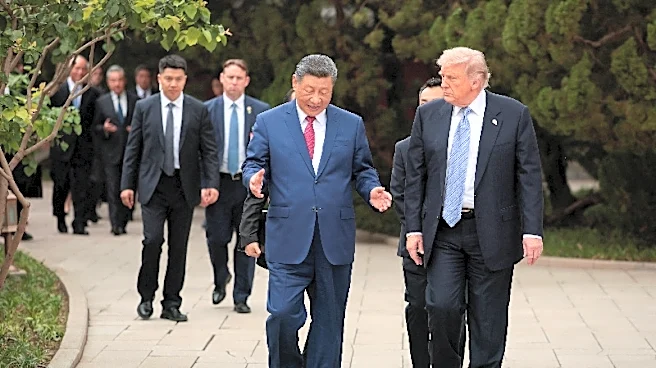
President Donald Trump and Chinese President Xi Jinping have called for the reopening of the Strait of Hormuz following discussions in Beijing. The talks come amid ongoing tensions with Iran that have disrupted
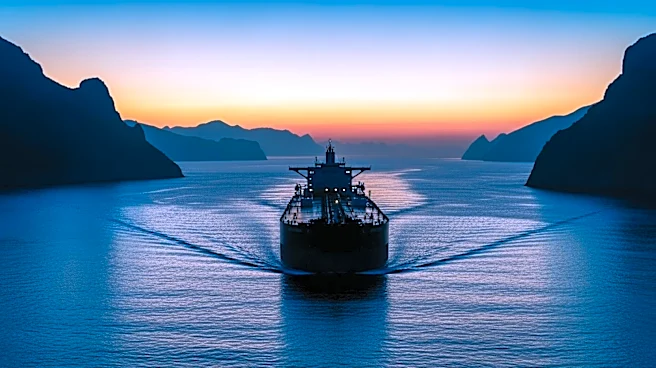
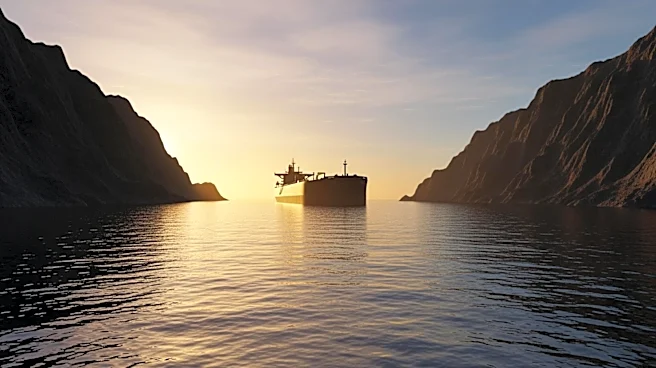
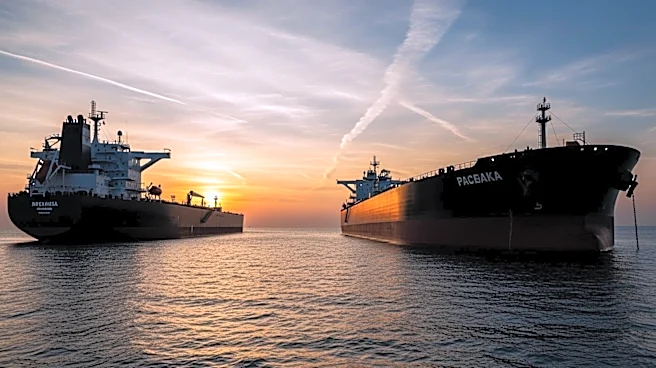
global oil and LNG flows, contributing to rising oil prices. Despite the diplomatic efforts, negotiations remain stalled, and the strait, a critical passage for global oil trade, remains closed. The situation has led to a significant increase in oil prices, with Brent crude surpassing $109 per barrel.
Why It's Important?
The closure of the Strait of Hormuz has significant implications for global energy markets, as it is a vital route for oil and LNG shipments. The ongoing conflict and resulting supply disruptions have led to increased oil prices, affecting economies worldwide. The discussions between the U.S. and China highlight the geopolitical complexities and the need for diplomatic solutions to stabilize the region and ensure energy security. The situation underscores the interconnectedness of global markets and the impact of regional conflicts on international trade.
What's Next?
While Trump and Xi have expressed a desire to reopen the strait, the lack of progress in negotiations suggests that the situation may remain unresolved in the short term. The continued closure could lead to further volatility in oil markets and strain international relations. Stakeholders will be closely monitoring developments, as any resolution could have significant economic and geopolitical consequences.