





What's Happening?
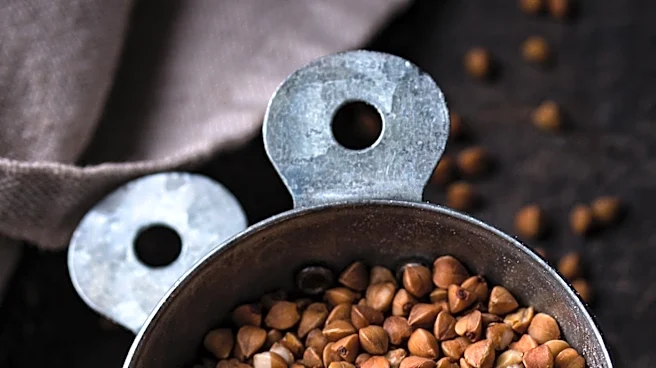
Buckwheat, a crop that fell out of favor in the U.S. after the mid-20th century, is experiencing a resurgence as farmers and food innovators recognize its potential for climate resilience and market diversification. Historically used as a cover crop to suppress
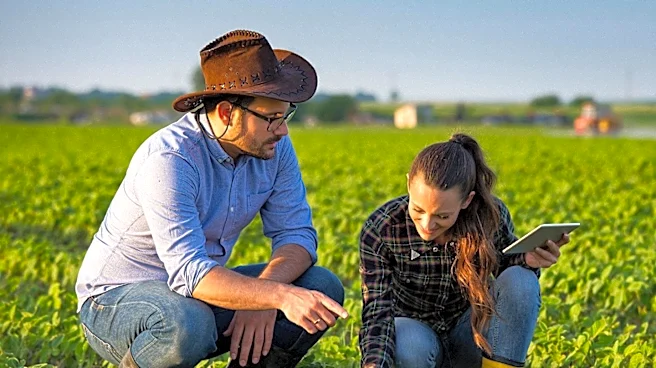
weeds and rebuild soil, buckwheat is now being explored for its commercial viability. Paige Hansen, for instance, has developed a buckwheat-based alternative milk, launching it in Whole Foods Markets nationwide. Organic farmers like Klaas Martens, who has grown buckwheat for 40 years, advocate for its integration into cropping systems to reduce reliance on high-yield crops like corn and soybeans, which are more susceptible to extreme weather. Researchers at Cornell University are also studying how buckwheat can best be incorporated into crop rotations as a cash crop.
Why It's Important?
The renewed interest in buckwheat is significant for U.S. agriculture as it offers a pathway towards greater sustainability and resilience in the face of human-caused climate change. By diversifying crops, farmers can reduce their vulnerability to losses from extreme weather events and decrease their reliance on external inputs like synthetic fertilizers and pesticides. Buckwheat's ability to improve soil health, suppress weeds, and attract pollinators contributes to more robust and environmentally friendly farming practices. Furthermore, the development of new buckwheat-based food products creates new market opportunities for farmers, potentially making it a more profitable crop and encouraging wider adoption. This shift could lead to a more diversified and secure food system for the nation.
What's Next?
The future of buckwheat in the U.S. involves continued research into its optimal integration into crop rotations and further development of market demand for buckwheat-based products. Partnerships between farmers, processors, and food companies, such as the collaboration between Paige Hansen and New Barn Organics, will be crucial for expanding its reach. The Birkett Mills, a long-standing buckwheat processor, is already working around the clock to meet increased demand, indicating a growing market. Financial incentives, potentially through crop insurance adjustments or direct contracts with processors, could encourage more farmers to plant buckwheat as a cash crop. This could lead to a gradual but significant transformation in agricultural practices across the country.
Beyond the Headlines
Beyond its agricultural and economic benefits, the resurgence of buckwheat reflects a broader cultural and environmental shift towards more sustainable food systems. It highlights a growing awareness of the need to move away from monoculture farming and towards practices that enhance biodiversity and ecological health. The emphasis on crops like buckwheat, which require fewer inputs and can thrive in diverse conditions, aligns with a consumer demand for healthier, more natural, and environmentally conscious food options. This movement could foster a deeper connection between consumers and the origins of their food, promoting local economies and a more resilient food supply chain in the long term.