
What's Happening?
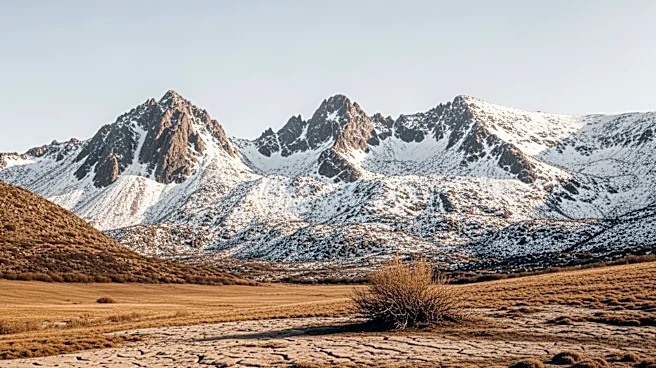
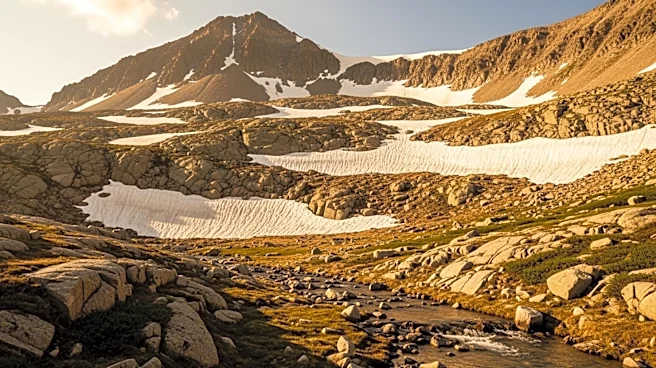
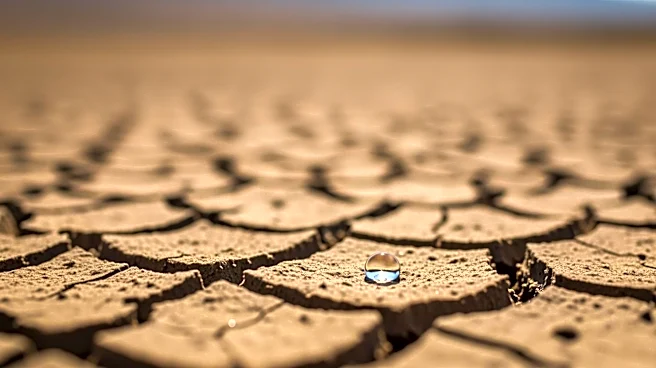
Colorado is experiencing an unprecedented drought, prompting major cities to implement early water restrictions. The state is now nearly half-covered by extreme drought conditions, marking the highest
level of drought for April in over two decades. This situation is exacerbated by minimal snowpack and unusually high temperatures, which have soared to 80 or 90 degrees Fahrenheit in March. As a result, cities like Denver and Aurora are urging residents to reduce water usage, particularly for outdoor watering, which constitutes a significant portion of water demand. Kentucky bluegrass, a popular but water-intensive lawn grass, is being restricted in new residential developments, and public spaces are replacing it with native grasses. Water managers are also encouraging residents to delay turning on sprinklers until May to conserve water.
Why It's Important?
The drought in Colorado highlights the growing challenges of water management in the face of climate change. With snowpack levels at a record low, the state's water supply is under significant strain. This situation underscores the need for sustainable water practices and could lead to long-term changes in landscaping and water usage habits. The restrictions on Kentucky bluegrass and the push for native grasses reflect a shift towards more sustainable landscaping practices. These measures are crucial for ensuring water availability for essential uses and could serve as a model for other regions facing similar challenges. The economic impact is also significant, as water scarcity can affect agriculture, tourism, and other industries reliant on water resources.
What's Next?
As the drought persists, Colorado officials may need to implement more stringent water conservation measures. Residents and businesses might face further restrictions on water usage, particularly if the drought continues into the summer months. The state may also increase incentives for water-wise landscaping to encourage the adoption of native plants and reduce water demand. Additionally, there could be increased investment in water infrastructure and technology to improve efficiency and resilience. The situation in Colorado could prompt other states in the Mountain West to reassess their water management strategies and prepare for similar challenges.
Beyond the Headlines
The drought in Colorado raises broader questions about the sustainability of current water usage practices in the American West. As climate change continues to alter weather patterns, regions that have traditionally relied on snowpack for water may need to explore alternative sources and strategies. This could include investing in water recycling, desalination, and other technologies to diversify water supplies. The situation also highlights the importance of public awareness and education on water conservation, as individual actions can collectively have a significant impact on water resources. The cultural shift towards valuing water as a precious resource could lead to lasting changes in how communities manage and use water.