


What's Happening?
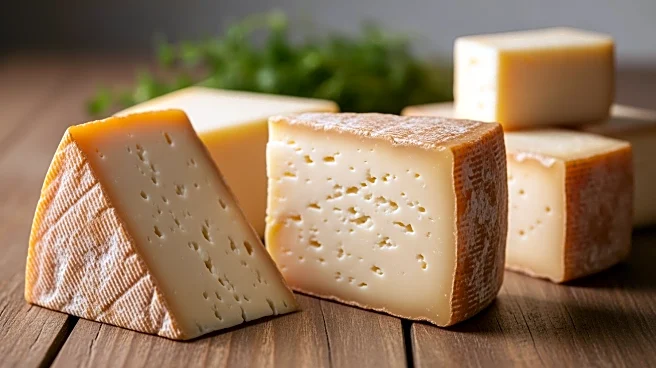
A recent study published in the journal Neurology suggests that consuming high-fat cheese, such as Brie and Gouda, may be associated with a reduced risk of dementia. Conducted by researchers in Sweden, the study analyzed dietary data from approximately
27,600 participants over an average of 25 years. The findings indicate that individuals who consumed 50 grams or more of high-fat cheese daily had a 13% lower risk of developing dementia compared to those who ate less. Additionally, those who consumed more high-fat cream also showed a reduced risk. However, the study does not establish a direct causal relationship between cheese consumption and dementia prevention. The research highlights that while high-fat cheese may not be harmful, it should be consumed in moderation as part of a balanced diet.
Why It's Important?
The study's findings challenge the conventional belief that all high-fat dairy products are detrimental to brain health. This research could influence dietary guidelines and public health recommendations, particularly concerning the consumption of dairy products. If further studies confirm these results, it could lead to a reevaluation of dietary strategies aimed at reducing dementia risk. The potential benefits of high-fat cheese consumption could offer a more nuanced understanding of how different types of fats impact cognitive health, potentially benefiting individuals at risk of dementia and Alzheimer's disease.
What's Next?
Further research is needed to confirm these findings and explore the mechanisms by which high-fat cheese might influence brain health. Independent studies, particularly in the United States, are necessary to validate the results, considering cultural differences in cheese consumption. Researchers emphasize the importance of considering overall dietary patterns rather than focusing solely on individual food items. Public health officials and nutritionists may need to reassess dietary recommendations if future studies support these findings.
Beyond the Headlines
The study underscores the complexity of dietary impacts on health, suggesting that not all high-fat foods are equally harmful. It highlights the importance of considering the broader dietary context, as cheese consumed with healthier foods may offer different health outcomes compared to cheese eaten with processed meats. This research could contribute to a shift away from simplistic 'good food/bad food' labels towards a more holistic approach to diet and health.