




What's Happening?
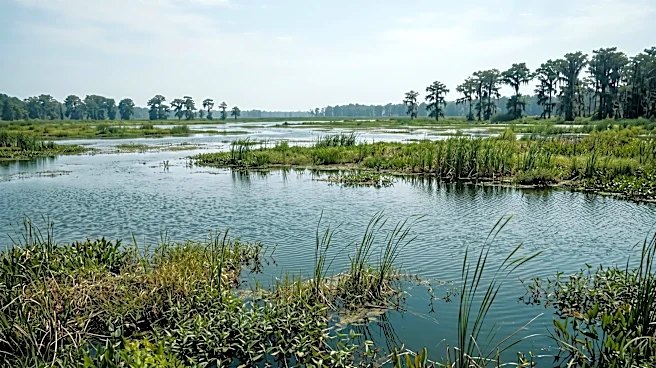
The Arkansas Game and Fish Commission (AGFC) has expanded permit-based waterfowl hunting opportunities to several new locations, including Buckingham Flats Greentree Reservoir, the Wiville West Tract, Prairie Bayou WMA, the new Pat Fitts Oakwood WMA, and a portion
of St. Francis Sunken Lands WMA. This initiative aims to enhance the quality of hunts for those who draw permits and reduce user conflicts and pressure on historically popular hunting areas. For instance, a specific 715-acre section of St. Francis Sunken Lands WMA is now managed through a drawn permit system, requiring hunters to apply online. Additionally, the AGFC is adapting to dry conditions by offering separate 'duck draws' for areas with at least 4 inches of water and 'goose draws' for areas with less, allowing hunters to apply for both types.
Why It's Important?
This expansion of permit-based hunting is a significant step in managing wildlife resources and hunter experiences in Arkansas. By controlling access through a draw system, the AGFC seeks to prevent overcrowding, which can diminish the quality of the hunt and stress waterfowl populations. This approach ensures a more equitable distribution of hunting opportunities and promotes sustainable use of these valuable wetlands. For hunters, it means a potentially less competitive and more enjoyable experience, especially for those new to hunting or bringing children. The adaptation to dry conditions by offering goose draws also demonstrates the AGFC's flexibility in maximizing hunting opportunities even under challenging environmental circumstances, benefiting both hunters and the local economy that relies on hunting tourism.
What's Next?
The AGFC will continue to monitor the effectiveness of these expanded permit systems in reducing user conflicts and improving hunt quality. Future adjustments to permit allocations and location management may occur based on hunter feedback and ecological assessments. Hunters are encouraged to regularly check the AGFC website for updated information on application periods, rules, maps, and locations. The agency's proactive approach to managing hunting opportunities, especially in response to environmental factors like water levels, suggests a dynamic and responsive management strategy that will likely evolve to meet future challenges and opportunities in waterfowl hunting.
Beyond the Headlines
The AGFC's strategy reflects a broader trend in wildlife management towards more controlled and sustainable access to natural resources. This move acknowledges the increasing pressure on public lands and the need to balance recreational demand with conservation goals. By creating a more structured hunting environment, the AGFC is not only addressing immediate user conflicts but also fostering a deeper appreciation for the ecological health of these wetlands. The distinction between 'duck draws' and 'goose draws' highlights the intricate relationship between water availability, species behavior, and hunting practices, underscoring the complexity of managing dynamic ecosystems for both wildlife and human enjoyment. This approach could serve as a model for other states facing similar challenges in managing popular hunting grounds.