




What's Happening?
Senator Ron Wyden has filed a complaint against Health Secretary Robert F. Kennedy Jr., alleging that Kennedy violated the Hatch Act by urging third-party candidates to withdraw from two Iowa congressional races. The Hatch Act restricts political activities
by federal employees. Wyden's complaint, submitted to the U.S. Office of the Special Counsel, claims that Kennedy's actions were intended to benefit Republican candidates in these competitive races. The calls in question were made to Libertarian candidates Marco Battaglia and Rick Stewart, who were running in Iowa's 3rd and 2nd congressional districts, respectively. The Libertarian Party of Iowa has expressed concern over these actions, viewing them as attempts by major parties to limit their ballot access.
Why It's Important?
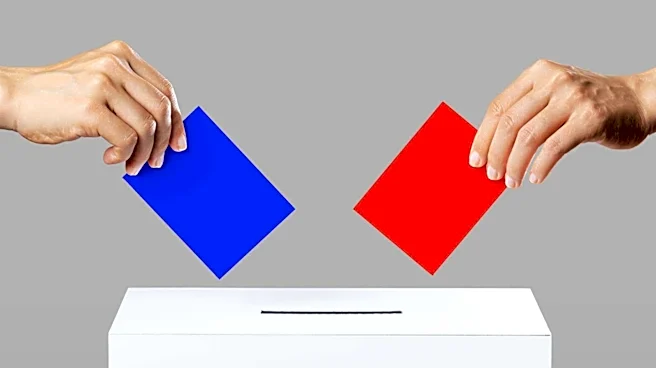
The allegations against Kennedy highlight ongoing tensions between major political parties and third-party candidates in the U.S. electoral system. If proven, these actions could undermine the integrity of democratic processes by manipulating candidate participation to favor specific outcomes. The case also underscores the challenges third-party candidates face in gaining and maintaining ballot access, which can significantly impact election results. Furthermore, the complaint raises questions about the enforcement of the Hatch Act and the accountability of federal officials in political activities. The outcome of this investigation could set precedents for how similar cases are handled in the future.
What's Next?
The U.S. Office of the Special Counsel will need to investigate the allegations to determine if Kennedy's actions constituted a violation of the Hatch Act. Depending on the findings, there could be calls for disciplinary action against Kennedy, which might include removal from his position. The case may also prompt discussions about the need for clearer guidelines and stricter enforcement of the Hatch Act to prevent similar incidents. Additionally, the Libertarian Party and other third-party groups may use this case to advocate for reforms that ensure fairer electoral competition.
Beyond the Headlines
This situation highlights the broader issue of political influence and the ethical boundaries of federal officials' involvement in elections. It raises questions about the balance of power between major parties and smaller political groups, and the role of federal employees in maintaining impartiality. The case could lead to increased scrutiny of political activities by government officials and potentially influence future legislation aimed at protecting the democratic process from undue influence.