






What's Happening?
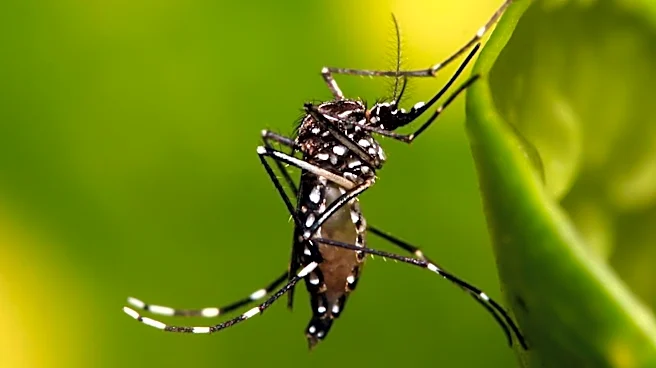
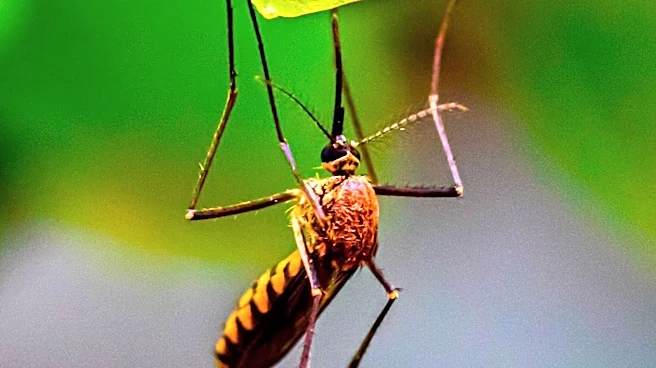
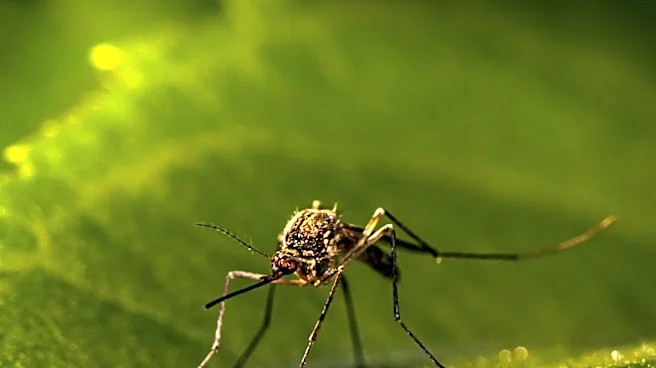
The European Centre for Disease Prevention and Control (ECDC) has issued a warning about the increased risk of infectious diseases due to prolonged heat waves. The rise in temperatures creates favorable conditions for the proliferation of mosquitoes,
which are vectors for diseases such as dengue, chikungunya, Zika, and West Nile virus. These diseases, once rare in Europe, are becoming more prevalent as mosquitoes expand their range northward. The ECDC emphasizes the importance of preventive measures, including the use of repellents, wearing protective clothing, and eliminating standing water to reduce mosquito breeding sites.
Why It's Important?
The spread of mosquito-borne diseases in Europe highlights the broader implications of climate change on public health. As temperatures rise, the geographic range of mosquitoes expands, increasing the risk of disease transmission in regions previously unaffected. This shift necessitates a coordinated public health response to mitigate the impact of these diseases. The economic and social costs associated with managing outbreaks and treating affected individuals can be substantial. Additionally, the situation underscores the need for international cooperation and strategic planning to address the health challenges posed by climate change.
What's Next?
The ECDC calls for enhanced collaboration between health, environmental, and animal health sectors to implement the One Health approach. This strategy aims to address the interconnectedness of human, animal, and environmental health. Future efforts will likely focus on strengthening surveillance systems, improving public awareness, and developing integrated vector management strategies. Policymakers and health authorities must prioritize research and investment in preventive measures to curb the spread of mosquito-borne diseases and protect public health.