



What's Happening?
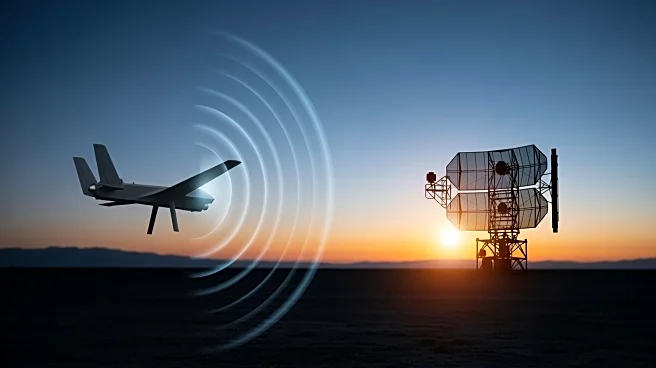
A temporary airspace closure over El Paso, Texas, and parts of New Mexico has raised concerns about the United States' anti-drone defenses. The Federal Aviation Administration (FAA) initially set the closure for 10 days but lifted it after eight hours.
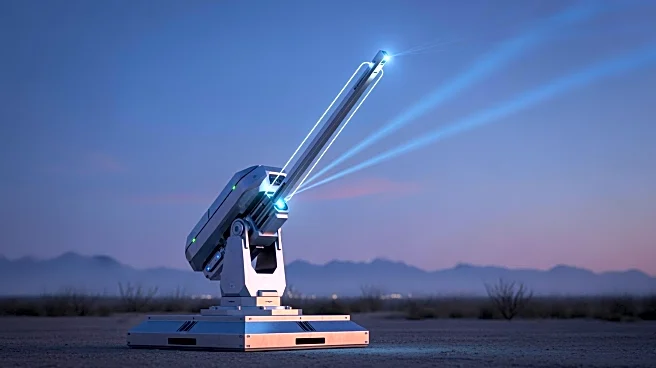
The closure was reportedly due to the use of a Pentagon-provided anti-drone laser weapon by Customs and Border Protection (CBP) officials, which was used to shoot down a party balloon. The incident has sparked debate over the safety and effectiveness of current drone defense measures, particularly in populated areas.
Why It's Important?
The El Paso incident underscores the complexities and potential risks associated with deploying anti-drone technologies in civilian areas. As drone technology becomes more accessible, the need for effective countermeasures grows. However, the use of such technologies poses challenges, including the risk of collateral damage and the need for clear communication and coordination among federal agencies. The incident highlights the importance of developing safe and reliable drone defense systems to protect both national security and civilian safety.
What's Next?
In response to the incident, U.S. lawmakers have requested a classified briefing from the Department of Homeland Security, the Department of Defense, and the Department of Transportation to address communication failures and ensure future incidents are handled more effectively. The development and deployment of advanced drone defense technologies will likely continue, with a focus on minimizing risks to civilian aircraft and infrastructure. Ongoing collaboration between federal agencies and private sector partners will be crucial in enhancing the nation's drone defense capabilities.