





What's Happening?
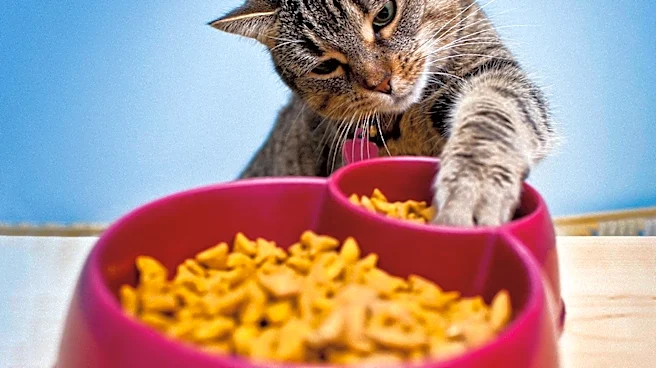
A new report by the Clean Label Project, a Colorado-based nonprofit, claims that popular U.S. cat food products contain detectable levels of heavy metals and other contaminants. The study, which tested 100 cat food products from 62 brands, found lead
in 99% of samples, cadmium in 96%, and arsenic in 94%. Mercury, glyphosate, and plastic-related chemicals were also detected. The report indicates that dry cat food generally contained three times more lead than wet or air-dried products, and fish/seafood-based formulas had significantly higher levels of mercury and cadmium. Only three brands—BIXBI, Freshpet, and Smalls—met the Clean Label Project's certification standards. However, industry representatives and nutrition experts are challenging the report's methodology, arguing that it compares contaminant levels across products without determining actual health risks to felines. The Pet Food Institute spokesperson, Hana Bieliaskas, stated that the study used the Clean Label Project's proprietary 'purity standard' instead of recognized scientific and regulatory benchmarks. Jennifer Larsen, a professor of clinical nutrition at the University of California-Davis School of Veterinary Medicine, described the report as 'fearmongering' and questioned its scientific rigor.
Why It's Important?
This report raises significant concerns for U.S. pet owners regarding the safety and quality of commercially available cat food. If the findings are accurate and the contaminants pose a health risk, it could lead to widespread anxiety among consumers and potentially impact the pet food industry. The debate over the report's methodology highlights a broader issue of transparency and scientific rigor in product testing and consumer advocacy. The Pet Food Institute's call for more transparency regarding the commercial relationship between the Clean Label Project and certified brands suggests potential conflicts of interest or a lack of independent verification. This situation could prompt increased scrutiny from regulatory bodies like the FDA and AAFCO, potentially leading to revised standards or more stringent testing requirements for pet food manufacturers. Ultimately, the controversy underscores the need for clear, scientifically sound data to ensure consumer confidence and animal welfare in the U.S. pet food market.
What's Next?
The Clean Label Project has been urged by experts like Jennifer Larsen to submit its data for peer review and publicly disclose author names, affiliations, and disclosures to enhance scientific credibility. Newsweek has contacted the Clean Label Project for responses to the Pet Food Institute's criticisms, including questions about regulatory benchmarks, peer review, underlying data, and certification programs. The ongoing dialogue between the Clean Label Project, industry groups, and scientific experts will likely continue, potentially leading to further studies or a re-evaluation of existing pet food safety standards. Consumers may see an increase in demand for brands that can demonstrate rigorous testing and adherence to established safety protocols. The controversy could also spur pet food manufacturers to proactively provide more detailed information about their ingredient sourcing and testing processes to reassure the public. Depending on further developments, regulatory bodies might consider reviewing and potentially updating guidelines for heavy metal content in pet food.
Beyond the Headlines
The controversy surrounding the cat food report extends beyond immediate health concerns, touching upon the ethical responsibilities of consumer advocacy groups and the scientific community. The accusation of 'fearmongering' by a veterinary expert highlights the potential for reports lacking scientific rigor to cause undue alarm among the public. This situation also brings to light the differences in regulatory approaches between the U.S. and Europe, with Europe generally having tighter and more centralized regulations for animal feed. The U.S. system, regulated by the FDA and guided by AAFCO, allows for greater manufacturing flexibility. This disparity could lead to discussions about harmonizing pet food safety standards internationally or strengthening U.S. regulations to match European counterparts. The incident also underscores the growing consumer demand for 'clean labels' and organic products, even in the pet food sector, and the challenges in verifying such claims without robust, independent scientific validation.