







What's Happening?
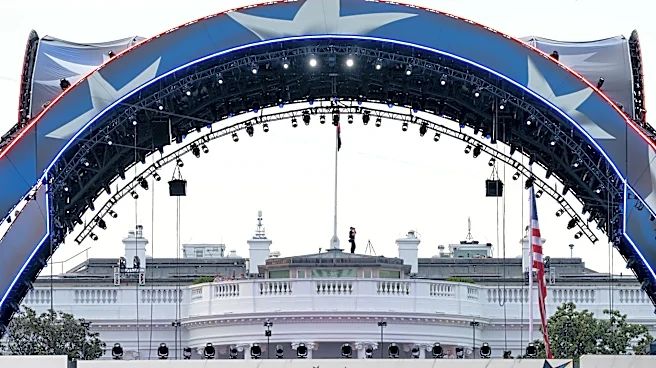
A new book titled 'Regime Change' by New York Times reporters Maggie Haberman and Jonathan Swan details President Donald Trump's approach to his second term in office, highlighting his efforts to expand executive power. The book describes Trump's actions,
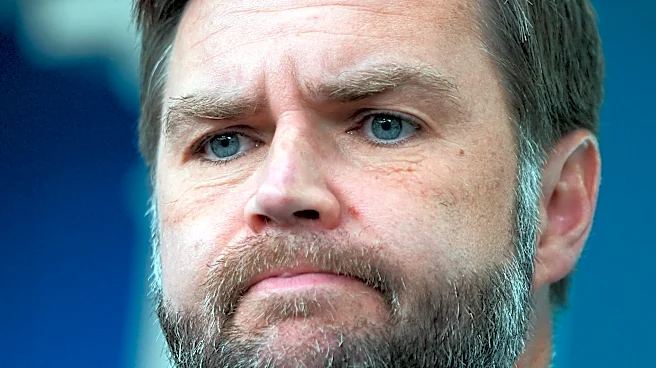
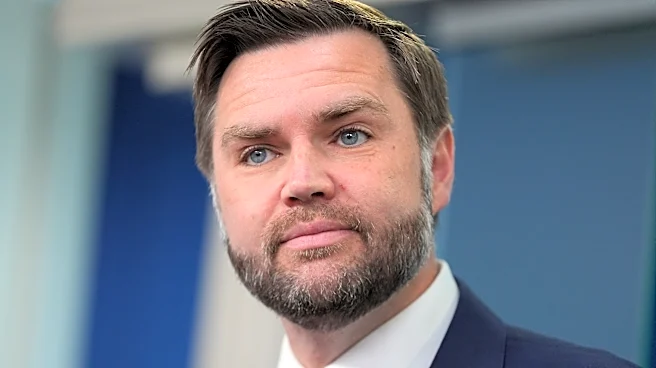
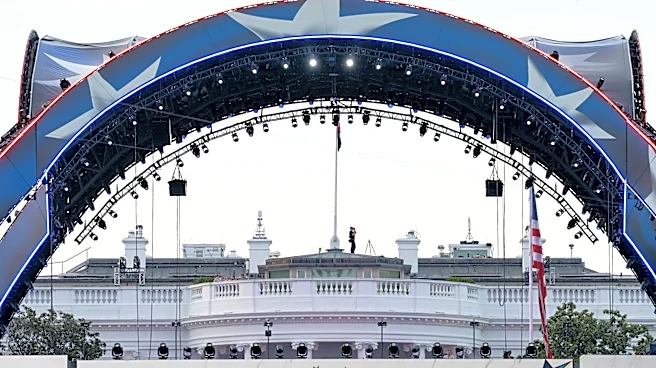
such as erecting new flagpoles on the White House lawns, as symbolic of his broader agenda to challenge established norms and institutions. The authors argue that Trump's return to the White House in 2025 has been marked by a more assertive stance, partly due to his belief that losing the 2020 election made him more powerful. The book also explores Trump's interactions with key political figures like Vice President JD Vance and Secretary of State Marco Rubio, as well as his interest in foreign policy issues, including Venezuela.
Why It's Important?
The revelations in 'Regime Change' underscore the potential implications of President Trump's governance style on U.S. political institutions and international relations. By pushing the boundaries of executive power, Trump may influence future presidential conduct and the balance of power between branches of government. His focus on Venezuela and other foreign policy matters could have lasting effects on U.S. diplomatic strategies. Additionally, the book's insights into Trump's relationships with political allies suggest potential shifts in Republican leadership dynamics, with figures like Vance and Rubio positioned as possible successors.
What's Next?
As President Trump continues his second term, the political landscape may see further shifts in response to his actions. The book suggests that Trump's influence will persist, potentially affecting the 2028 presidential race and the Republican Party's future direction. Key political figures may need to navigate Trump's enduring presence and the policies he champions. The administration's handling of sensitive issues, such as the release of files related to Jeffrey Epstein, could also prompt scrutiny and impact public perception.
Beyond the Headlines
The book raises questions about the ethical and legal dimensions of Trump's presidency, particularly regarding his approach to executive power and foreign policy. The potential for increased partisanship and reduced checks on presidential authority could have long-term implications for U.S. governance. Additionally, the cultural impact of Trump's leadership style, as reflected in his personal and political decisions, may influence public discourse and societal norms.