



What's Happening?
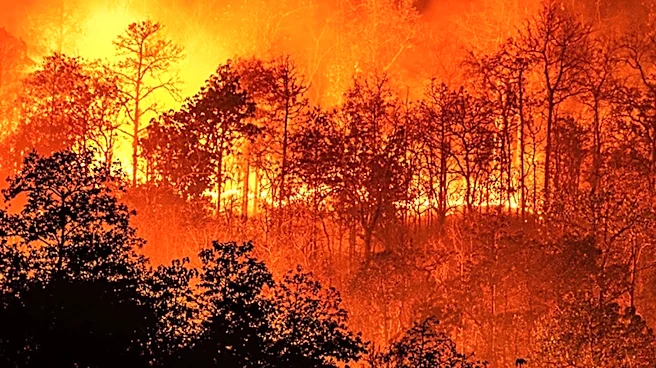
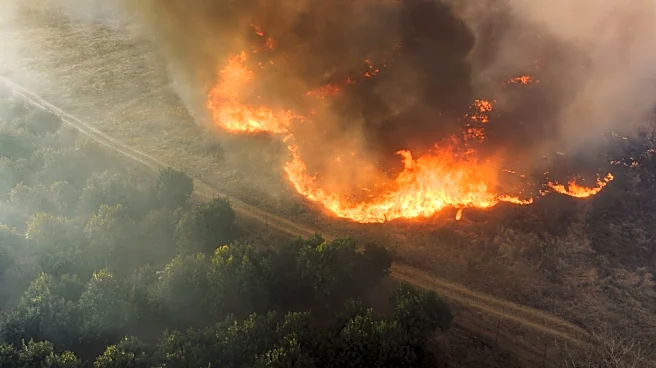
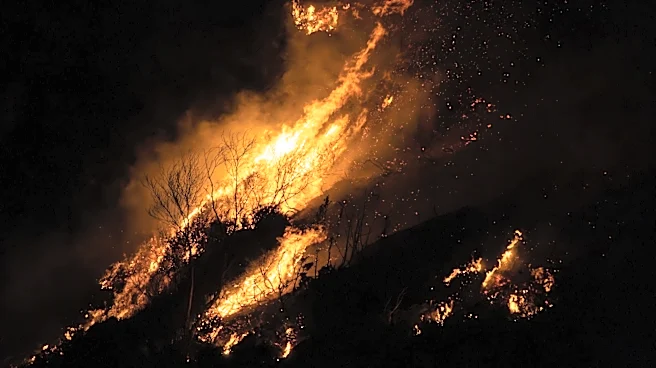
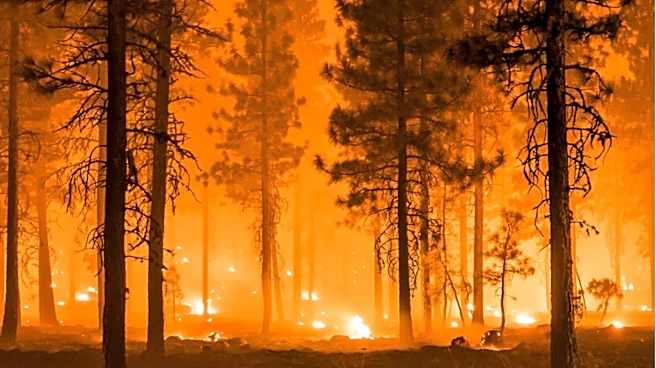
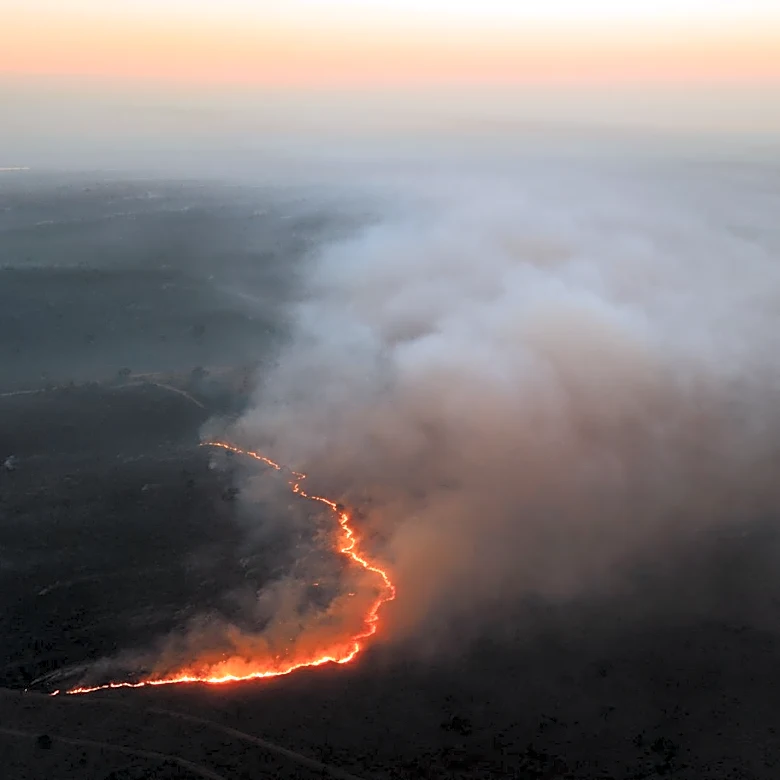
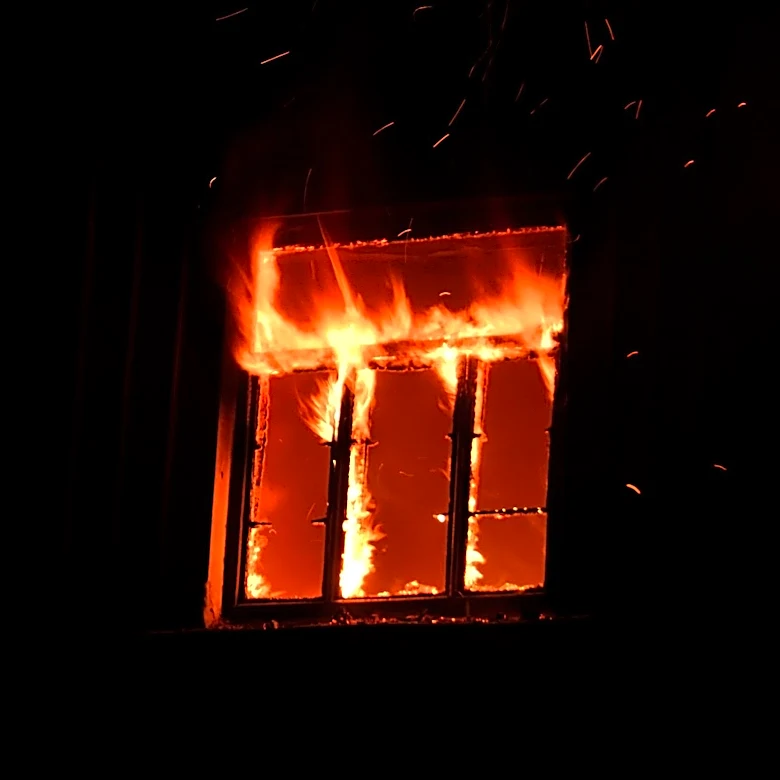
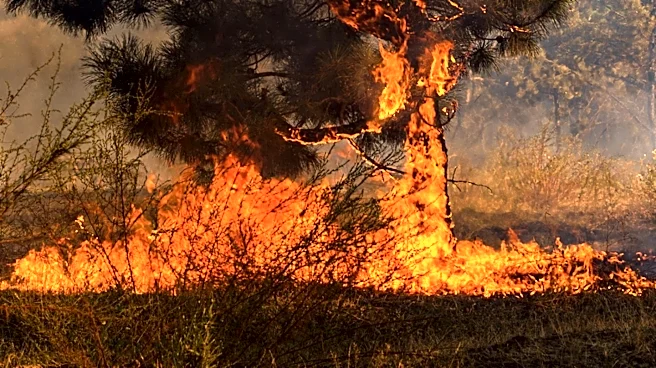
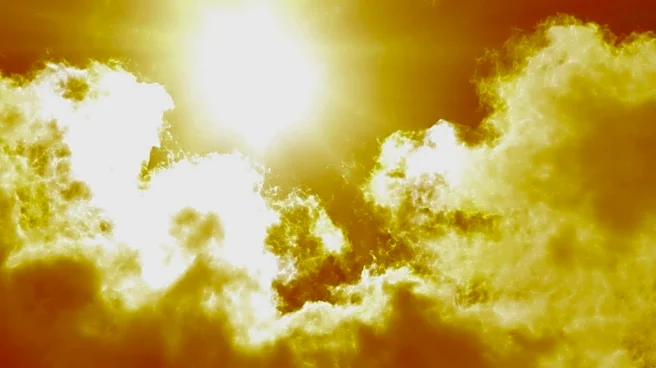
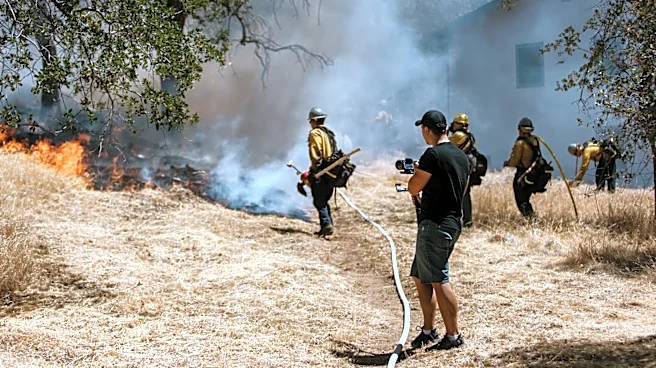
A recent outbreak of wildfires in western Ontario, Canada, and Minnesota is sending thick plumes of smoke toward the Great Lakes and Northeast U.S., resulting in extremely poor air quality. The smoke, which has already caused hazy skies and an orange-hued
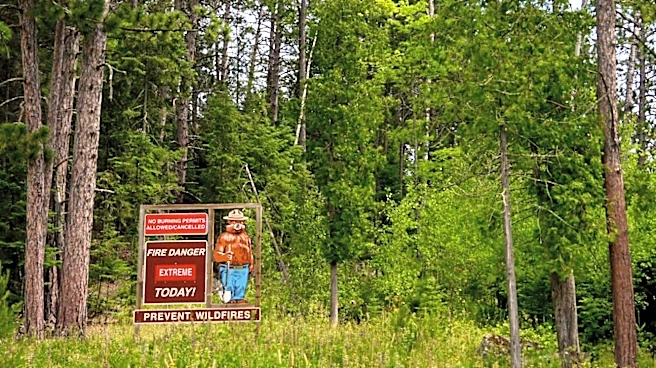
sun in parts of Upstate New York, Massachusetts, and Vermont, is expected to reach the Interstate 95 corridor by Wednesday evening. The Canadian Interagency Forest Fire Centre reported 32 new wildfires in Ontario, with 46 burning out of control. Minnesota is also experiencing intensified fires due to a heat dome causing record temperatures. Air quality alerts have been issued in northeastern Minnesota, urging residents to limit outdoor activities.
Why It's Important?
The spread of wildfire smoke into the U.S. highlights the transboundary nature of environmental issues and their impact on public health. Poor air quality can exacerbate respiratory conditions and pose significant health risks, particularly for vulnerable populations. The situation underscores the need for coordinated efforts in wildfire management and air quality monitoring. Additionally, the smoke's impact on visibility and air quality could disrupt daily activities and economic operations in affected regions. The recurrence of such events may prompt discussions on climate change and its role in increasing the frequency and intensity of wildfires.
What's Next?
As the smoke plume moves toward major urban centers like Boston, New York City, and Philadelphia, residents may experience reduced visibility and unhealthy air quality levels. Authorities are likely to continue issuing air quality alerts and advisories, urging people to stay indoors and limit outdoor activities. The situation may also lead to increased demand for air filtration systems and masks. In the longer term, policymakers and environmental agencies may explore strategies to mitigate wildfire risks and improve air quality management.