



What's Happening?
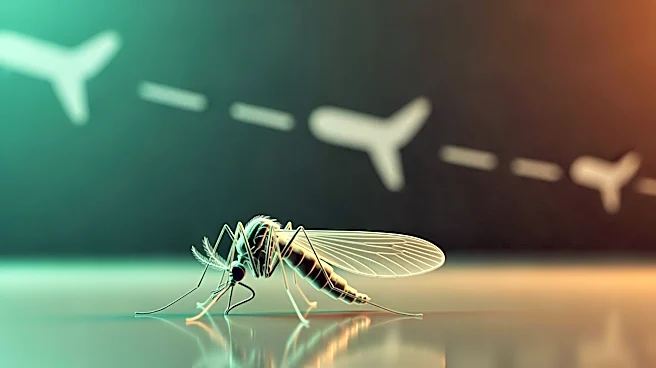
In 2025, the UK reported 160 cases of chikungunya, a mosquito-borne virus, marking a 43% increase from the previous year. The majority of these cases were identified in London, with 159 in England and one in Wales. The UK Health Security Agency (UKHSA)
has highlighted the importance of mosquito bite prevention for travelers, especially during peak travel months. Chikungunya is known for causing fever and severe joint pain, which can persist for months or even years. While serious complications are rare, the disease can be fatal for very young children, older adults, and those with underlying health conditions. The increase in cases has been linked to travel to regions such as Asia and the Indian Ocean.
Why It's Important?
The rise in chikungunya cases underscores the ongoing public health challenge posed by mosquito-borne diseases, particularly in the context of global travel. This increase highlights the need for effective preventive measures and public awareness campaigns to protect travelers. The economic impact on healthcare systems could be significant, as prolonged joint pain associated with the virus may require long-term medical care. Additionally, the travel industry may face challenges as potential travelers become more cautious about visiting affected regions, potentially impacting tourism-dependent economies.
What's Next?
Travelers are advised to take precautions against mosquito bites, such as using insect repellent and sleeping under treated bed nets. The UKHSA continues to monitor the situation and may issue further guidance as necessary. The availability of chikungunya vaccines in the UK, though limited to private travel clinics, offers a preventive option for those traveling to high-risk areas. Public health officials may also consider expanding vaccination programs and increasing public awareness to mitigate the spread of the virus.