


What's Happening?
Tucson fire crews conducted three swift water rescues within a 30-minute period on Monday evening as storms moved through the area. The first incident occurred around 4:47 p.m. on Calle Betelgeux and South Avenida Sirio, where a driver was found on top
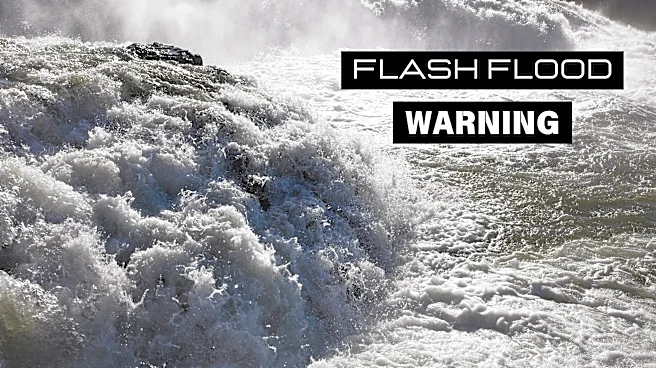
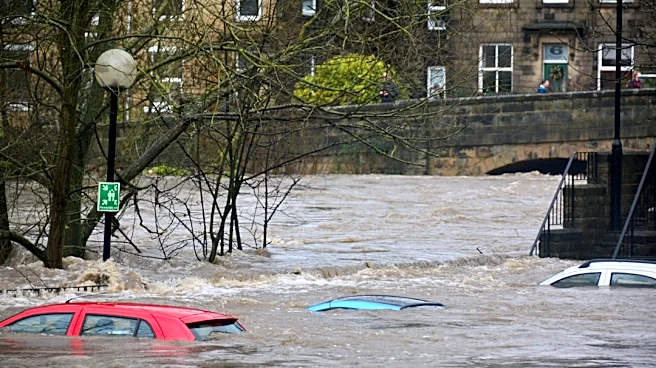
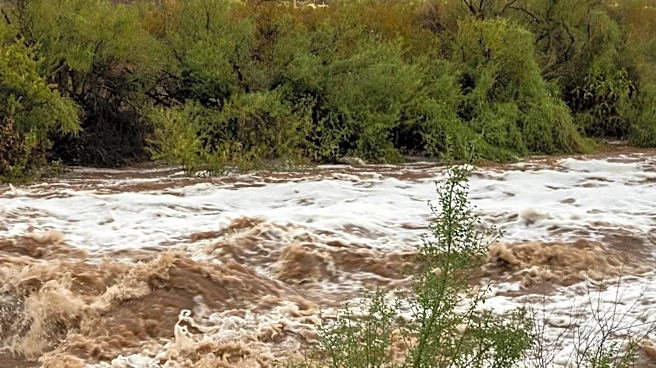
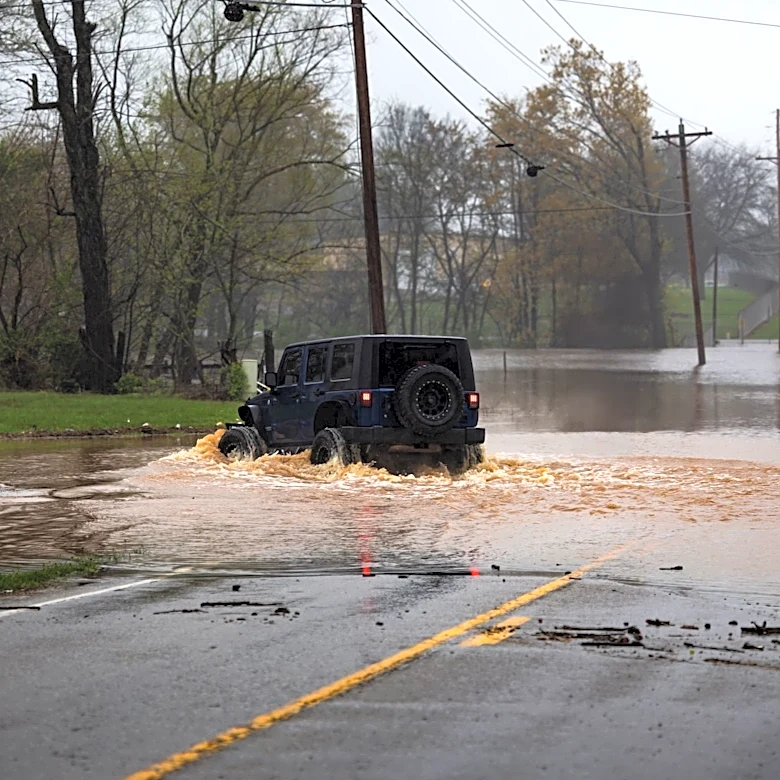
of a car and safely rescued. Shortly after, at approximately 5:01 p.m., crews responded to North Alamo Avenue and East Rosewood Street for a submerged car being swept towards Speedway Boulevard with an occupant inside. The driver was pulled from the Alamo Wash and transported to a hospital. A third call came in around 5:12 p.m. from behind TMC near Grant Road and Wyatt Drive, reporting a person being swept away in water; security guards assisted this individual in climbing out. Authorities are cautioning the public against driving or walking through moving or flooded water, emphasizing that even shallow, fast-moving water can pose a significant danger to vehicles and individuals.
Why It's Important?
The rapid succession of swift water rescues highlights the immediate and severe dangers posed by monsoon storms in urban areas like Tucson. These incidents underscore the critical importance of public awareness and adherence to safety warnings during flash flood conditions. The need for emergency services to respond to multiple concurrent events strains resources and can delay response times to other emergencies. For residents, the risk of property damage, injury, or even fatality from attempting to traverse flooded roads is substantial. The repeated warnings from fire crews about avoiding flooded areas are crucial for preventing further incidents and ensuring public safety, especially as climate patterns may lead to more intense and unpredictable weather events. The economic impact includes potential damage to infrastructure and vehicles, as well as the costs associated with emergency response and medical care.
What's Next?
Following these incidents, local authorities are expected to continue issuing public safety advisories regarding monsoon weather and flash flooding. There may be increased efforts to educate residents on the dangers of swift water and the importance of heeding warnings like 'Turn Around, Don't Drown.' Emergency services will likely review their response protocols to assess efficiency and identify any areas for improvement in managing multiple simultaneous water rescue operations. Local infrastructure, particularly in areas prone to flooding like the Alamo Wash, may undergo further assessment for resilience against future storm events. Residents should anticipate ongoing weather monitoring and be prepared for potential road closures and power outages as the monsoon season progresses.
Beyond the Headlines
The recurring issue of swift water rescues during monsoon season in Arizona points to a broader challenge of urban development in arid regions susceptible to intense, short-duration rainfall. The design of urban infrastructure, including drainage systems and road networks, often struggles to cope with the sudden influx of water, turning streets into temporary rivers. This situation raises questions about long-term urban planning, water management strategies, and public education campaigns in areas with unique hydrological characteristics. The human element, where individuals misjudge the power of floodwaters, remains a significant factor in these incidents, suggesting a need for more impactful public awareness campaigns that resonate with residents and visitors alike. Addressing these challenges requires a multi-faceted approach involving engineering solutions, policy adjustments, and continuous community engagement to foster a culture of safety.