




What's Happening?
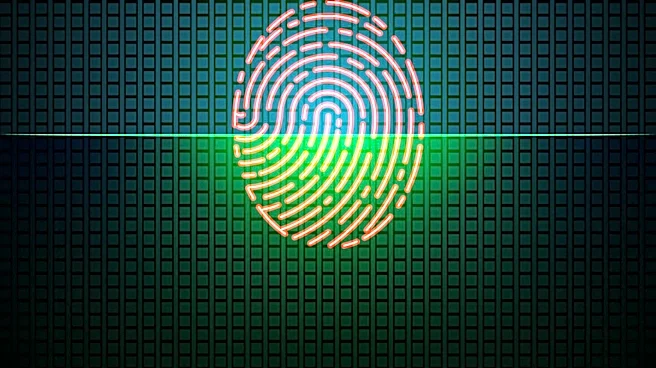
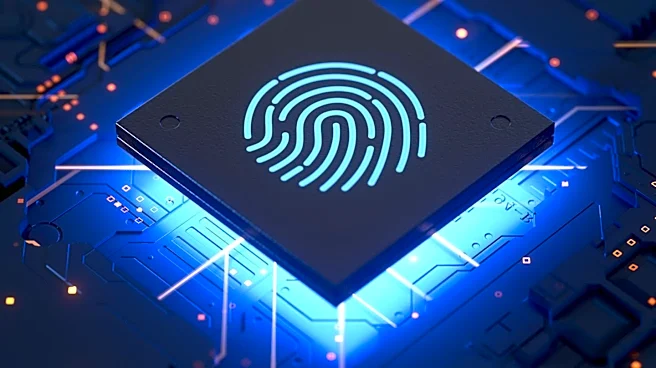
DERMALOG Identification Systems has achieved a significant milestone in biometric security, with its facial recognition technology and TF60 fingerprint scanner successfully completing independent Presentation Attack Detection (PAD) evaluations. Conducted
by Fime, an internationally recognized testing and certification provider, these evaluations confirmed the robustness of DERMALOG's systems against fraudulent authentication attempts. Across both facial recognition and fingerprint scanning tests, DERMALOG's technologies successfully detected all 1,500 tested presentation attacks. This means the systems effectively distinguished genuine users from spoofing attempts involving photos, videos, facial masks, or artificial fingerprints. The independent evaluations, performed in accordance with international ISO/IEC 30107 standards, verified that both DERMALOG technologies meet Fime's Level 2 requirements for PAD, achieving an Attack Presentation Classification Error Rate (APCER) of 0.00%. Additionally, DERMALOG's facial liveness detection software recorded a Bona Fide Presentation Classification Error Rate (BPCER) of 0.00%, indicating that all genuine user presentations were correctly classified during the facial recognition evaluation.
Why It's Important?
The successful validation of DERMALOG's biometric security systems is crucial for enhancing trust and reliability in digital identity, financial services, and border security sectors within the U.S. and globally. As biometric solutions become increasingly prevalent for authentication, the threat of presentation attacks, where fraudsters attempt to bypass systems using fake biometrics, poses a significant risk. The ability of DERMALOG's technology to detect all 1,500 tested presentation attacks demonstrates a high level of security, which can prevent identity theft, financial fraud, and unauthorized access to sensitive areas. This advancement provides greater assurance for organizations and consumers relying on biometric authentication, fostering confidence in passwordless solutions. For U.S. industries, particularly those involved in finance, travel, and government services, robust anti-spoofing capabilities are essential for maintaining data integrity and protecting national security interests. The proven effectiveness of these systems can lead to wider adoption of biometric technologies, streamlining processes while simultaneously bolstering security measures against sophisticated fraudulent activities.
What's Next?
Following these successful independent validations, DERMALOG is expected to further solidify its position as a leading provider of biometric identification solutions. The proven reliability of its facial recognition and fingerprint technologies against presentation attacks will likely increase demand from organizations worldwide, including those in the U.S., seeking to enhance their digital identity and authentication processes. This could lead to broader implementation of DERMALOG's systems in various sectors such as airports, financial institutions, and government agencies, where secure and convenient authentication is paramount. The company's commitment to staying ahead of evolving fraud threats, as highlighted by CEO Günther Mull, suggests continued investment in research and development to counter new forms of biometric spoofing. This ongoing innovation will be critical as fraudsters continuously adapt their methods, ensuring that biometric security remains robust and effective in an increasingly digital world. The successful tests may also encourage other biometric technology providers to pursue similar rigorous independent validations, raising the overall security standards across the industry.
Beyond the Headlines
The successful independent validation of DERMALOG's biometric security systems against presentation attacks has deeper implications for the future of digital identity and privacy. While biometrics offer convenience and enhanced security, concerns about data breaches and the potential for sophisticated spoofing have been persistent. The ability of these systems to detect all tested presentation attacks addresses a critical vulnerability, potentially increasing public trust in biometric authentication. This development could accelerate the shift towards a passwordless future, fundamentally altering how individuals interact with digital services and physical access points. However, it also raises questions about the ethical implications of widespread biometric data collection and storage. As these technologies become more ubiquitous, the need for robust regulatory frameworks to protect individual privacy and prevent misuse of biometric data will become even more pressing. The long-term societal impact could include a redefinition of personal identification, with a greater reliance on unique biological traits, and a continuous arms race between security developers and those attempting to circumvent these systems.