
What's Happening?
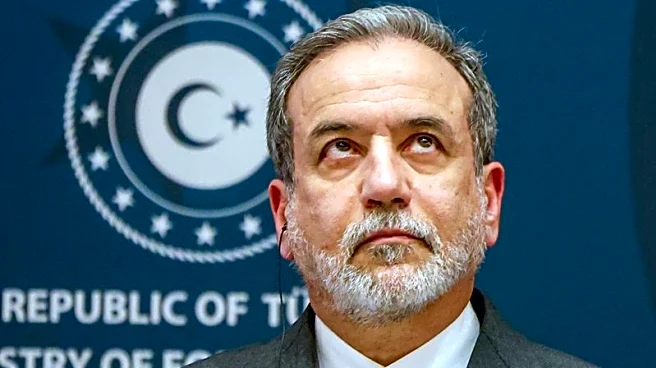
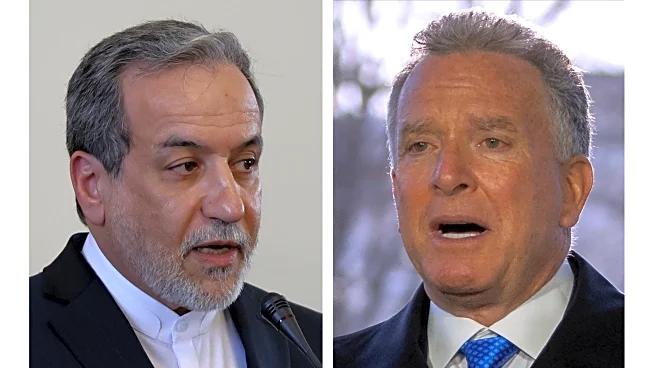
Iran's Foreign Minister Abbas Araghchi has declared that the country is prepared for war with the United States, although it remains open to diplomatic negotiations. This statement comes amid escalating tensions due to mass protests in Iran, which have
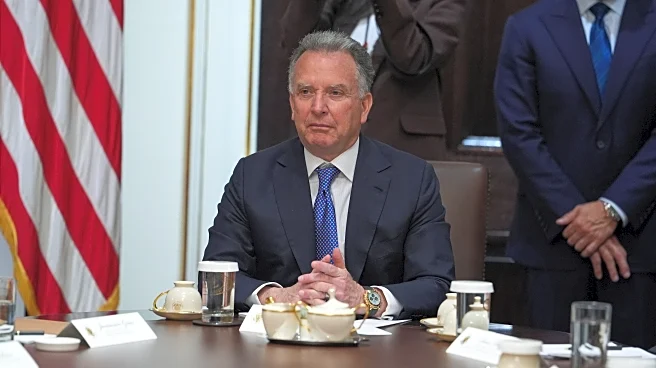
resulted in significant casualties. Human rights organizations report over 500 deaths and thousands of arrests. The protests, driven by economic grievances, have intensified since December. The U.S. has indicated it is considering military options, with President Trump emphasizing strong measures to protect protesters. Despite the tensions, communication channels between Iran and the U.S. remain open.
Why It's Important?
The declaration of readiness for war by Iran marks a significant escalation in rhetoric, potentially impacting regional stability and international relations. The protests reflect deep-seated economic and political dissatisfaction within Iran, challenging the regime's authority. The U.S.'s potential military response could further destabilize the region, affecting global oil markets and international diplomatic efforts. The situation underscores the fragile nature of U.S.-Iran relations and the broader geopolitical implications for Middle Eastern stability.
What's Next?
The international community will closely watch for any military actions or diplomatic negotiations between the U.S. and Iran. The outcome of these tensions could influence future U.S. foreign policy and regional alliances. Iran's internal response to the protests and any U.S. actions will be critical in determining the trajectory of this conflict. Diplomatic efforts may be pursued to de-escalate tensions and prevent further violence.