

What's Happening?
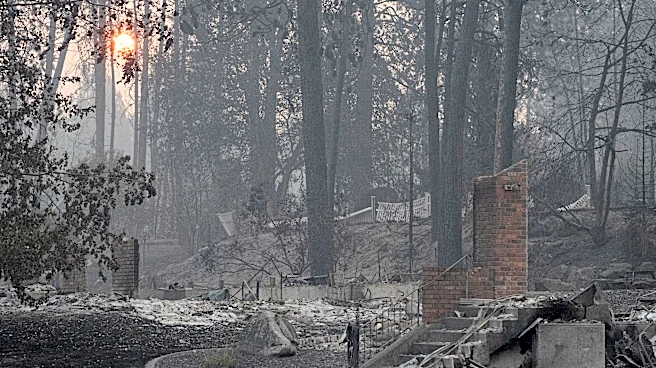
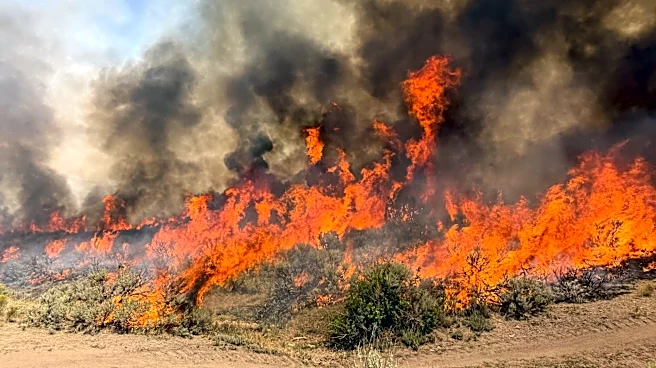
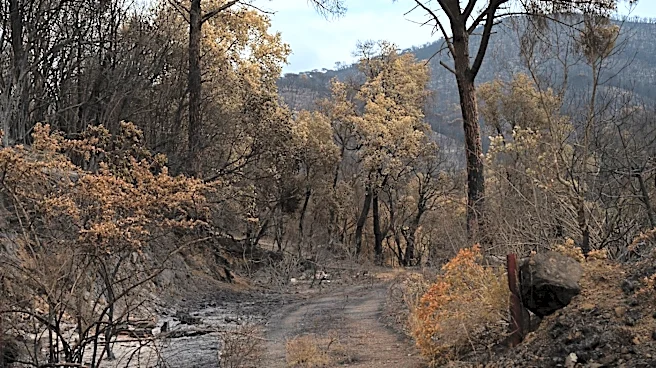
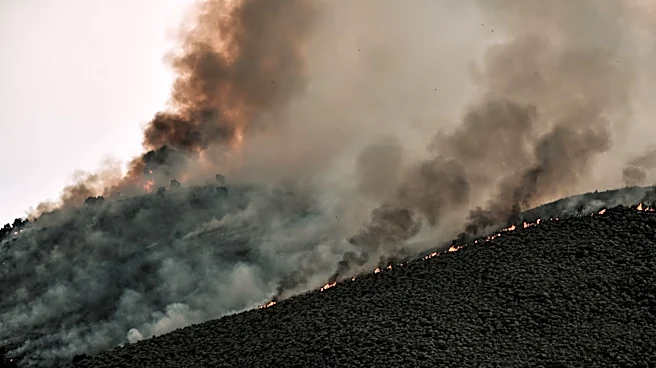
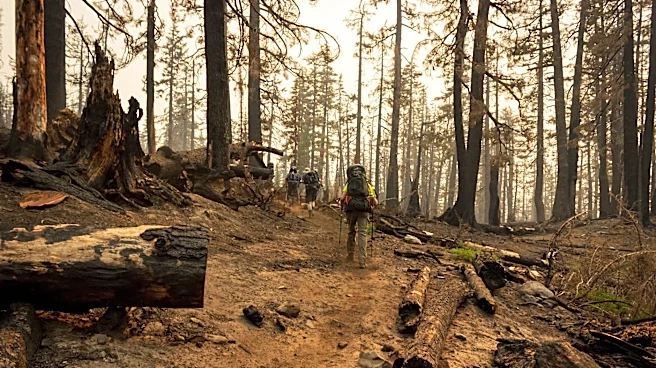
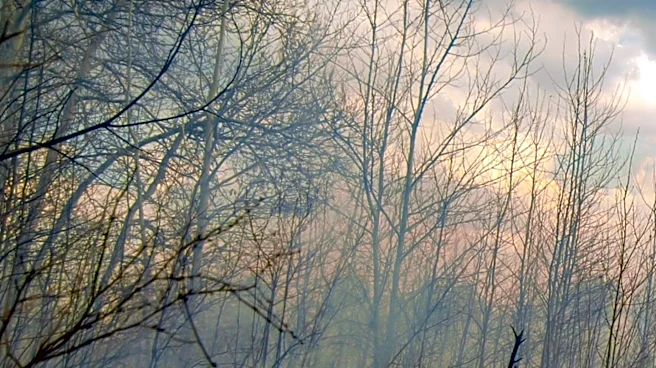
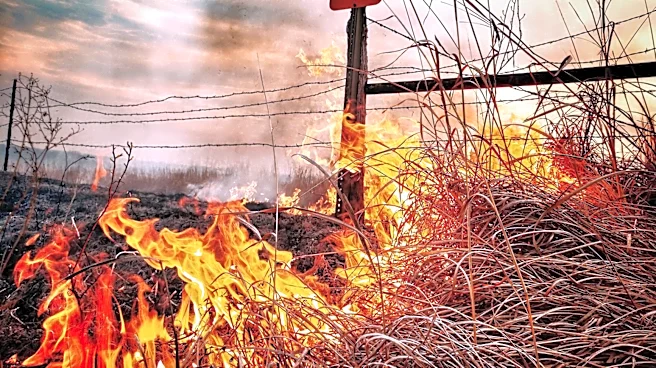
The Tartar Fire, ignited by lightning on July 24, has expanded to over 138,000 acres along the Idaho-Oregon border, causing significant damage to ranching operations. As of August 5, the fire was 41% contained, with efforts focused on the southern and eastern
flanks. The situation has been complicated by tensions between local ranchers and firefighting crews over suppression tactics like backburning, which ranchers fear could destroy essential grazing land. The U.S. Forest Service reported that firefighters were temporarily withdrawn from certain areas due to harassment and threats from ranchers concerned about these tactics. The fire has drawn national attention, highlighting the challenges faced by ranchers like Matthew Westover and Justin Roberts, who are dealing with extensive damage to their generational ranches.
Why It's Important?
The Tartar Fire underscores the complex dynamics between wildfire management and agricultural interests. The conflict over firefighting tactics highlights the delicate balance between protecting land and preserving livelihoods. The fire's impact on ranchers is profound, with losses including grazing land, hay supplies, and infrastructure, which could take years to rebuild. This situation reflects broader challenges in wildfire-prone areas where land management practices must consider both ecological and economic factors. The incident also raises questions about the safety and effectiveness of current wildfire suppression strategies, particularly in regions where agricultural and environmental interests intersect.
What's Next?
As firefighting efforts continue, the focus will remain on containing the fire and preventing further damage. The community's response, including support from local businesses and volunteers, will be crucial in aiding recovery efforts. Long-term, there may be discussions on improving communication and collaboration between firefighting agencies and local stakeholders to prevent similar conflicts in the future. Additionally, the incident may prompt a reevaluation of wildfire management policies to better address the needs of affected communities while ensuring the safety of firefighting personnel.