



What's Happening?
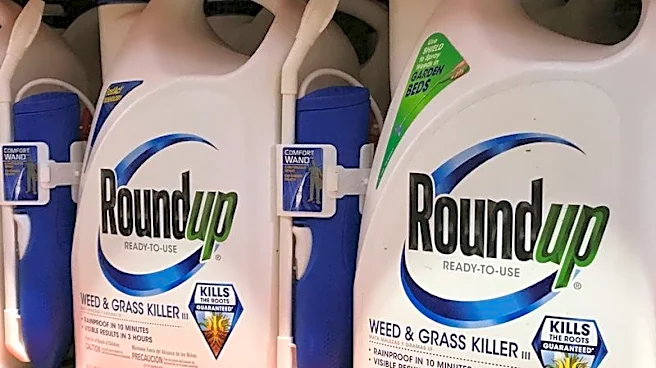
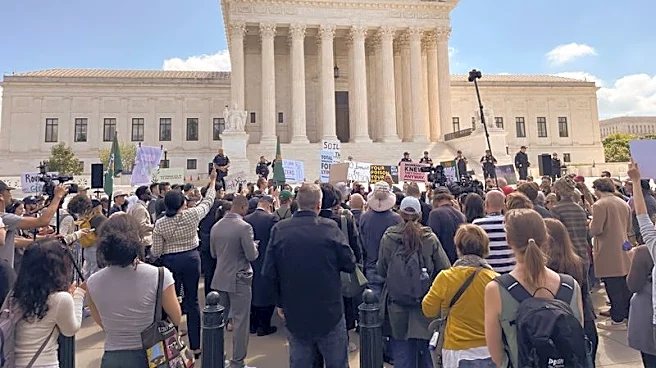
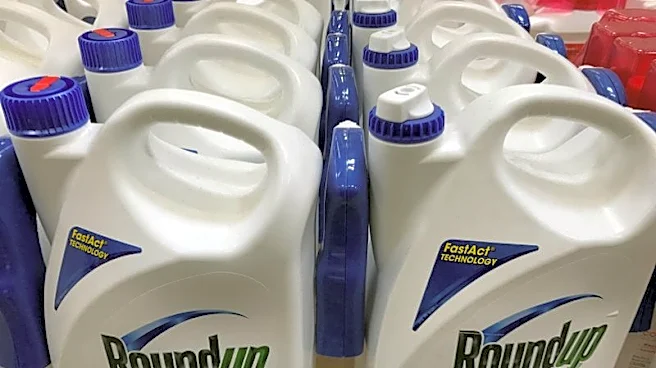
The Make America Healthy Again (MAHA) movement has expressed strong discontent with the Trump administration's support for the pesticide manufacturer Bayer, particularly concerning the glyphosate-based herbicide, Roundup. This criticism was voiced during
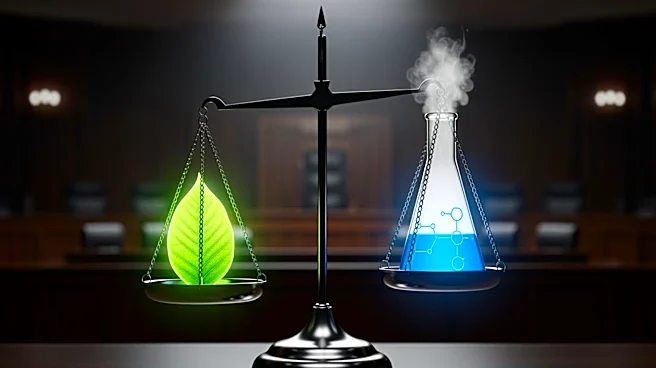
a rally outside the U.S. Supreme Court, where justices were hearing a case about whether Bayer can be shielded from lawsuits over claims that glyphosate causes cancer. The World Health Organization previously classified glyphosate as 'probably carcinogenic,' a stance not shared by the Environmental Protection Agency (EPA) under the Trump administration. The administration's decision to back Bayer, alongside its broader deregulatory agenda at the EPA, has frustrated MAHA advocates who argue that these actions contradict the administration's stated health priorities.
Why It's Important?
The Trump administration's stance on glyphosate and other environmental regulations has significant implications for public health and environmental policy in the U.S. By supporting Bayer and rolling back various environmental protections, the administration is prioritizing industry interests over potential health risks associated with chemical exposures. This has sparked criticism from health advocates and environmental groups who argue that such policies undermine efforts to protect public health. The controversy highlights the tension between economic interests and environmental health, with potential long-term impacts on regulatory practices and public trust in government agencies.
What's Next?
The outcome of the Supreme Court case could set a precedent for how similar lawsuits are handled in the future, potentially affecting the liability of companies producing chemicals deemed harmful. Additionally, the ongoing criticism from the MAHA movement and other advocacy groups may lead to increased public scrutiny and pressure on the administration to reconsider its regulatory approach. Legal battles over environmental regulations are likely to continue, with advocacy groups seeking to challenge the administration's policies in court.