



What's Happening?
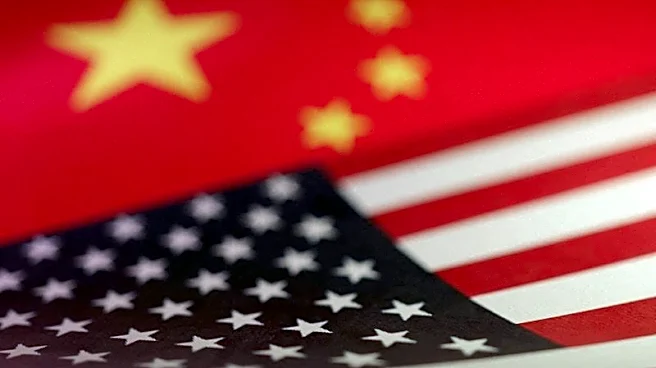
OpenAI CEO Sam Altman is attending the state dinner for the Trump-Xi summit in Washington. This event signifies a critical intersection of Silicon Valley's artificial intelligence leadership with high-level U.S.-China diplomacy. His presence highlights
the increasing entanglement of AI development with national security and economic strategy, as both nations strive for dominance in the AI sector. The invitation to Altman underscores the administration's recognition that input from AI companies is crucial for developing effective AI policy frameworks. This diplomatic gathering occurs as the U.S. and China are engaged in escalating competition over technology, including semiconductors, cloud computing, and AI capabilities. The tech industry views Altman's invitation as an acknowledgment of OpenAI's significant role in the AI landscape, particularly given the impact of ChatGPT and its partnerships with Microsoft.
Why It's Important?
Altman's participation in the Trump-Xi summit is important because it signals the growing influence of tech executives in foreign policy discussions and the elevation of AI to a national security and economic priority. Unlike previous generations of tech leaders, today's AI pioneers are directly involved in governmental conversations about national competitiveness and security. The discussions at this dinner could significantly impact future policies, including export controls on AI chips and international standards for AI model development. The outcomes of such high-level diplomatic engagements could reshape how AI companies operate globally, providing much-needed stability for long-term strategies, especially concerning international expansion and research collaboration. This event also reflects the broader trend of governments seeking input from the private sector to navigate the rapidly evolving technological landscape, particularly in areas with profound societal and economic implications.
What's Next?
The immediate focus will be on whether the Trump-Xi summit yields concrete agreements or remains largely symbolic regarding AI regulation. The tech industry is hopeful for pragmatic policies that foster innovation while addressing legitimate safety concerns. However, the intersection of AI development with national security considerations suggests that simple solutions are unlikely. Future developments could include the establishment of international regulatory frameworks, potentially influencing global standards for AI safety and development. The ongoing debates in Congress about AI safety standards and China's comprehensive AI governance policies indicate a continued push for regulatory clarity. The involvement of key AI figures like Altman in these discussions suggests a sustained effort to integrate industry perspectives into policy-making, which could lead to more collaborative approaches to AI governance on an international scale.
Beyond the Headlines
Beyond the immediate policy implications, Altman's presence at the summit highlights a deeper shift in the relationship between technology, government, and international relations. It signifies that AI is no longer solely a technical pursuit but a central component of geopolitical power dynamics. The event also brings to the forefront the ethical considerations surrounding AI, such as safety, control, and potential misuse, which are now being discussed at the highest levels of government. The balancing act between commercial interests, national security, and international cooperation in AI development will likely become a defining challenge of the coming decades. This engagement could set precedents for how global powers collaborate or compete in emerging technological fields, influencing the future of innovation, trade, and international diplomacy.