

What's Happening?
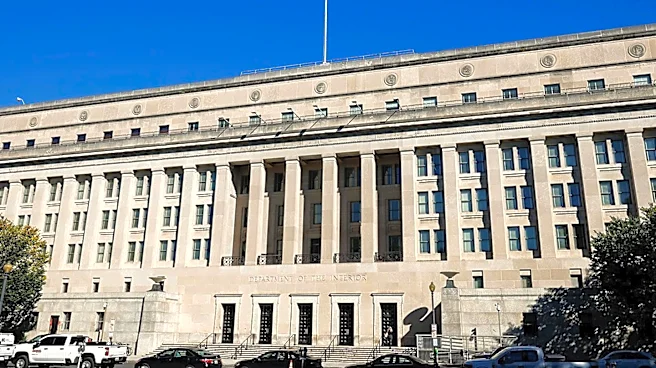
The U.S. Department of the Interior has canceled contracts for routine maintenance and programming at numerous national parks and downgraded nearly 1,500 additional projects across the country to "low priority" status. This includes several sites in New
Mexico, according to the nonpartisan conservation group Center for Western Priorities. The conservation group obtained records from an internal National Park Service database, which detail the canceled or downgraded projects and often include notes from park officials on their importance. In New Mexico, canceled projects include $8,000 for operating weather stations at Valles Caldera National Preserve, $169,127 for documenting Petroglyph National Monument's significance to 29 tribes and pueblos, $100,607 for cataloging museum records at Aztec Ruins National Monument, and $30,984 for the National Trails Office to manage programs along Route 66. Additionally, 29 projects in New Mexico have been downgraded, such as replacing failing septic tanks at Chaco Culture National Historical Park and HVAC systems at Petroglyph National Monument's visitor center.
Why It's Important?
The cancellation and downgrading of national park projects by the U.S. Department of the Interior have significant implications for the preservation of natural and cultural heritage, public access, and the operational integrity of these sites. The projects affected in New Mexico, such as the maintenance of weather stations, documentation of tribal significance, and cataloging of museum records, are crucial for scientific research, cultural preservation, and historical understanding. Downgrading essential repairs, like replacing failing septic tanks at Chaco Culture National Historical Park, poses environmental risks, including potential groundwater contamination. Similarly, neglecting HVAC systems at visitor centers can impact visitor comfort and the preservation of exhibits. The Center for Western Priorities argues that these actions target "everyday projects that keep parks open and running," suggesting a shift in priorities that could undermine the fundamental mission of the National Park Service to protect and maintain these valuable resources for current and future generations. This move could also disproportionately affect rural communities that rely on national parks for tourism and economic activity.
What's Next?
The Center for Western Priorities has published an interactive map detailing the canceled and downgraded projects, aiming to bring transparency to the Department of the Interior's decisions. Advocates like Lilly Bock-Brownstein, Creative Content and Policy Manager for the Center for Western Priorities, are publicly criticizing the federal agency's actions, suggesting that essential repairs are being neglected in favor of other priorities. The Department of the Interior has previously stated that it is focusing on nixing deals that are "actively working against the best interests of the American people and the priorities of this administration." This indicates a potential continued re-evaluation of projects based on the administration's agenda. The long-term consequences could include further deterioration of park infrastructure, reduced visitor services, and potential environmental damage if critical maintenance is not performed. Public and congressional scrutiny of these decisions is likely to continue, potentially leading to calls for re-prioritization or increased funding for national park maintenance and programming.
Beyond the Headlines
The Department of the Interior's decision to cancel and downgrade national park projects reflects a broader philosophical debate about the management and purpose of public lands. The assertion that certain projects are "actively working against the best interests of the American people and the priorities of this administration" suggests a politicization of park management, potentially shifting focus from conservation and public access to other, unspecified objectives. This approach could lead to a decline in the quality of visitor experiences and the long-term health of national parks, which are vital for ecological balance, historical preservation, and public recreation. The impact on Indigenous communities, particularly concerning projects related to documenting cultural significance and identifying items for return, raises questions about the federal government's commitment to tribal sovereignty and cultural heritage. This situation underscores the ongoing tension between conservation efforts, administrative priorities, and the diverse values placed on national parks by various stakeholders.