




What's Happening?
Max D. Lederer Jr., the longtime publisher of Stars and Stripes, a newspaper focused on the U.S. military, has resigned. His resignation comes amidst fundamental disagreements with the Department of Defense's leadership regarding the publication's editorial
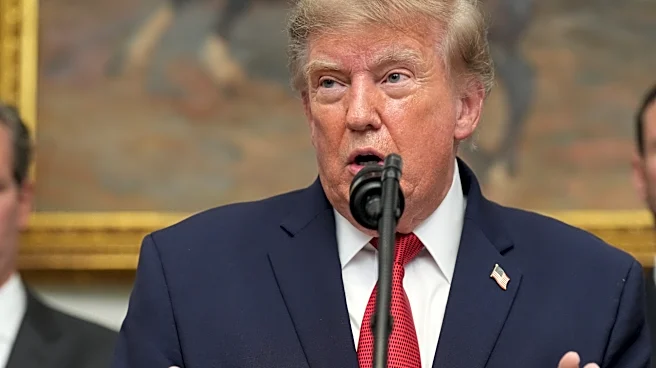
independence. According to a memo from Lederer and an interview with Stars and Stripes, his philosophy of leadership and understanding of the newspaper's mission diverged significantly from the direction the Department of Defense (DoD) leadership, under President Trump's administration, intended for the organization. This follows accusations from Secretary of Defense Pete Hegseth that the publication was promoting 'woke distractions.' The Trump administration's second-term DoD had previously announced intentions to align the paper more closely with government priorities, a move framed by Pentagon spokesperson Sean Parnell as 'returning Stars and Stripes to its original mission: reporting for our warfighters.' The Pentagon also fired Jacqueline Smith, the newspaper's ombudsman, who was tasked by Congress with protecting its editorial independence, leading to concerns about press freedoms.
Why It's Important?
This resignation and the surrounding events highlight a significant tension between government oversight and journalistic independence within a military publication. Stars and Stripes, despite receiving government funding, has historically strived for editorial autonomy. The Trump administration's push for greater control, including attempts to eliminate funding during his first term and the recent firing of the ombudsman, signals a potential shift in the relationship between the Pentagon and military media. This could impact the transparency and objectivity of information provided to service members and the public regarding military operations and morale. Critics argue that such actions erode press freedoms and could lead to a less informed military community and public, especially concerning sensitive issues like the ongoing war on Iran and reports of declining morale within the armed forces. The situation also raises questions about the definition of 'woke distractions' and how it is being used to influence editorial content.
What's Next?
The departure of Max D. Lederer Jr. and the firing of Jacqueline Smith suggest a continued effort by the Trump administration's Department of Defense to exert greater editorial control over Stars and Stripes. This could lead to further changes in the newspaper's editorial direction and content, potentially aligning it more closely with the government's narrative. The outcry from press freedom advocates and former staff members is likely to continue, potentially prompting further public debate and scrutiny regarding the independence of military journalism. It remains to be seen how the new leadership at Stars and Stripes will navigate these pressures and whether the publication will be able to maintain its historical commitment to independent reporting. The broader implications for press access to the Pentagon, which has already seen restrictions such as banning reporters from the press office and requiring escorts, will also be closely watched.
Beyond the Headlines
The struggle over Stars and Stripes' editorial independence reflects a broader societal debate about the role of media, particularly in times of conflict and political polarization. The administration's characterization of certain reporting as 'woke distractions' and its efforts to align the publication with government priorities raise concerns about the potential for propaganda and the suppression of critical information. This situation could set a precedent for how government-funded or affiliated media outlets are managed, potentially influencing the landscape of military journalism and public discourse. The emphasis on 'returning Stars and Stripes to its original mission' could be interpreted as a desire for a more controlled narrative, which might undermine the trust that service members and the public place in the publication. The ethical implications of a government dictating the editorial content of a news organization, even one it funds, are significant and could have long-term consequences for democratic principles and the free flow of information.