
What's Happening?
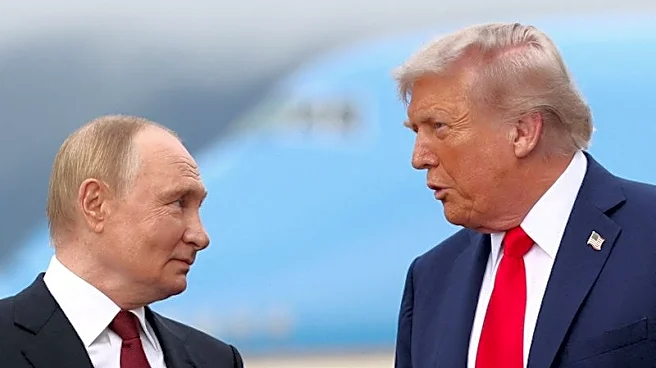
Ukrainian President Volodymyr Zelenskyy is seeking clarification on a proposed short-term ceasefire by Russian President Vladimir Putin, which was discussed with President Trump. The ceasefire is suggested
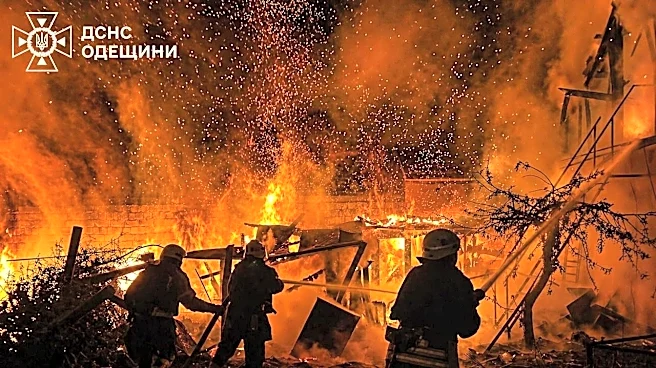
to coincide with Russia's Victory Day on May 9. Zelenskyy has instructed his representatives to contact President Trump's team to understand the details of the proposal. Meanwhile, Russian attacks continue in Ukraine, with casualties reported in Dnipro and Odesa. Ukraine has also been striking industrial facilities in Russia, including a refinery in the Perm region. A ship carrying grain allegedly stolen from Ukraine has left Israel without unloading, following diplomatic tensions between Ukraine and Israel.
Why It's Important?
The proposed ceasefire, if realized, could provide temporary relief in the ongoing conflict between Russia and Ukraine, which has resulted in significant casualties and displacement. However, the lack of concrete decisions and the continuation of hostilities highlight the complexities of achieving a lasting peace. The situation also underscores the geopolitical tensions involving multiple countries, including the U.S. and Israel, and the challenges in addressing issues like the illegal transfer of resources from occupied territories. The outcome of these diplomatic efforts could influence future international relations and conflict resolution strategies.
What's Next?
Ukraine is pushing for a longer-term ceasefire and will continue diplomatic efforts to clarify the Russian proposal. The international community, including the U.S., may play a role in facilitating discussions. The ongoing military actions and diplomatic exchanges suggest that the situation remains fluid, with potential for further developments. The response from major stakeholders, including the U.S. and Israel, will be crucial in shaping the next steps in the conflict.