


What's Happening?
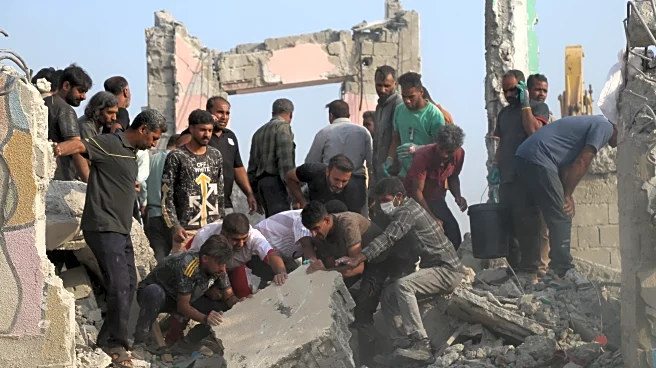
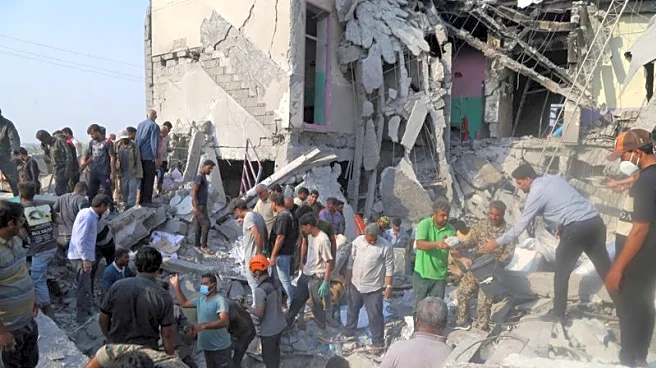
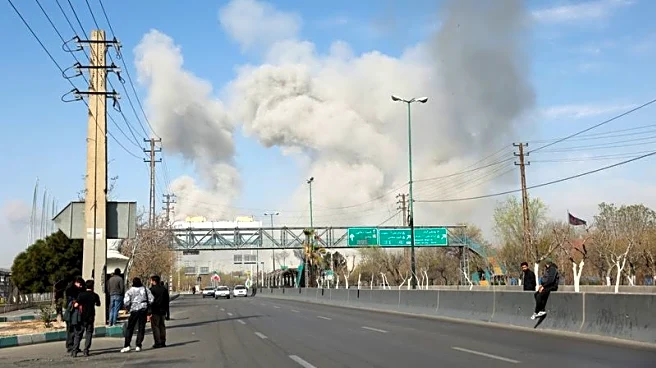
The U.S. military is investigating a missile strike on an Iranian elementary school that resulted in the deaths of over 165 civilians, many of whom were children. The incident occurred on February 28, near a base for the Iranian Revolutionary Guard. Preliminary
findings suggest that outdated intelligence may have led to the U.S. mistakenly targeting the school. The U.S. Central Command reportedly used old data from the Defense Intelligence Agency for the strike. This event has become a focal point in the ongoing conflict, with President Trump initially blaming Iran but later stating he would accept the Pentagon's investigation results. The strike has prompted calls for accountability and transparency, with over 45 Democratic senators demanding answers from the Trump administration.
Why It's Important?
The potential U.S. responsibility for the airstrike raises significant concerns about military operations and civilian safety. If confirmed, this incident could represent one of the highest civilian casualty events caused by U.S. military actions in recent decades. It highlights the risks associated with outdated intelligence and the need for stringent targeting protocols to prevent civilian harm. The situation has sparked a debate over the Trump administration's military policies, particularly regarding the reduction of staff and resources aimed at minimizing civilian casualties. The incident could erode public support for U.S. military efforts in Iran and raise questions about the broader implications of U.S. involvement in overseas conflicts.
What's Next?
The ongoing investigation by the U.S. Central Command is expected to provide more clarity on the incident. If the U.S. is found responsible, there may be increased pressure on the military to revise its targeting procedures and update intelligence protocols. The Pentagon may face demands to restore funding and resources to offices dedicated to civilian protection. Political leaders, including those in Congress, are likely to continue pressing for accountability and changes in military strategy to prevent future incidents. The outcome of the investigation could influence U.S. foreign policy and military engagement strategies moving forward.
Beyond the Headlines
The incident underscores the ethical and legal challenges of military operations in conflict zones. International law prohibits attacks on civilian structures, and the proximity of a school to a military target does not justify its targeting. This event may prompt a reevaluation of the balance between military objectives and civilian protection. It also raises questions about the effectiveness of current oversight mechanisms and the role of intelligence in military decision-making. The broader implications could include a shift in public perception of U.S. military actions and increased scrutiny of military engagements abroad.