




What's Happening?
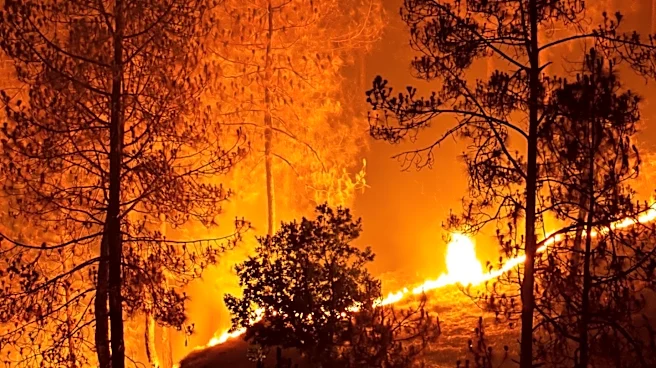
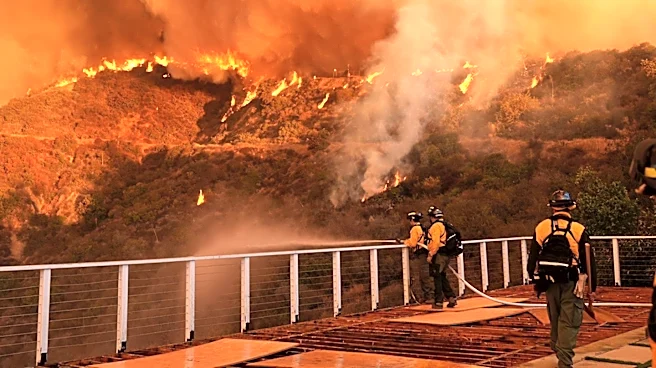
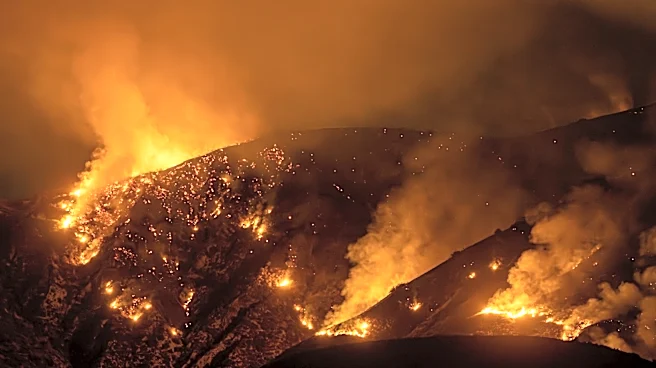
A vegetation fire, named the Gibby fire, near Ortega Highway in south Orange County, California, has rapidly expanded to cover more than 200 acres. The fire's growth on Wednesday triggered a significant response, involving both air and ground attacks
by firefighting crews. The incident is actively being managed by emergency services in the region. The Orange County Register reported on the fire's expansion and the ongoing efforts to contain it, providing a map to show its location.
Why It's Important?
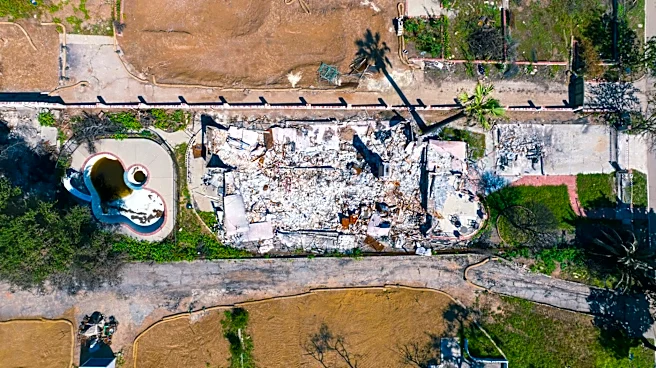
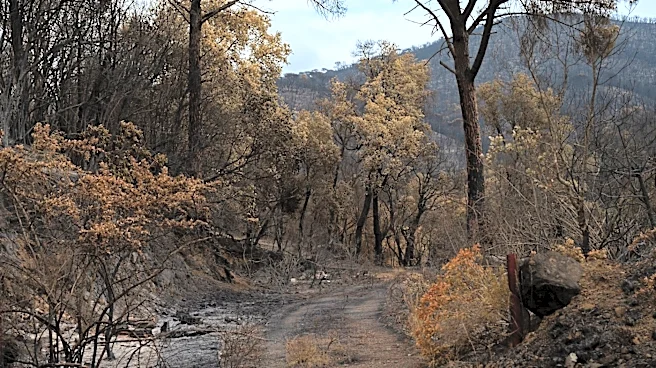
Wildfires in California, such as the Gibby fire, pose a significant threat to both natural ecosystems and human communities. The rapid expansion of this fire to over 200 acres highlights the persistent danger of vegetation fires, especially in areas prone to dry conditions. The deployment of air and ground resources indicates the severity and potential impact of the blaze, which can lead to property damage, evacuations, and air quality issues. For Orange County, these fires can disrupt daily life, impact local economies through tourism and business closures, and strain emergency services. The ongoing threat of wildfires also underscores the importance of fire prevention and preparedness measures for residents and local authorities.
What's Next?
Firefighting efforts, including air and ground attacks, are expected to continue as crews work to contain the Gibby fire. Authorities will likely provide updates on containment levels, any potential evacuations, and the overall status of the blaze. Residents in the vicinity of Ortega Highway and south Orange County should remain vigilant and follow instructions from emergency services. The focus will be on preventing further spread and mitigating risks to structures and lives. Investigations into the cause of the fire may also commence once it is under control.
Beyond the Headlines
The recurring nature of wildfires in California, exemplified by the Gibby fire, points to deeper environmental and climate-related challenges. Prolonged drought conditions and increased temperatures contribute to drier vegetation, making landscapes more susceptible to rapid fire spread. This situation prompts ongoing discussions about land management practices, climate change mitigation, and the allocation of resources for wildfire prevention and response. The psychological and economic toll on communities affected by these fires is substantial, often leading to long-term recovery efforts and a re-evaluation of building codes and urban planning in fire-prone areas. The Gibby fire serves as another reminder of the critical need for comprehensive strategies to address wildfire risks in the Western United States.