



What's Happening?
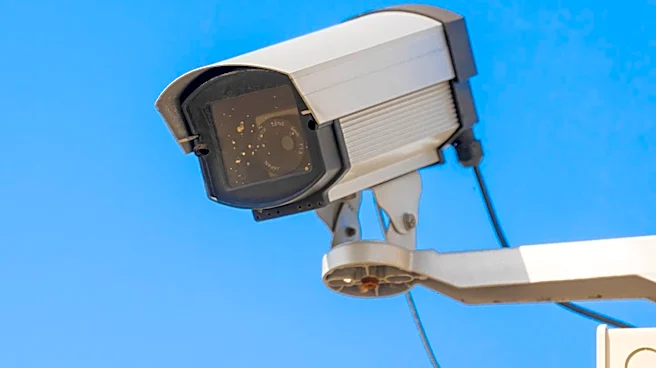
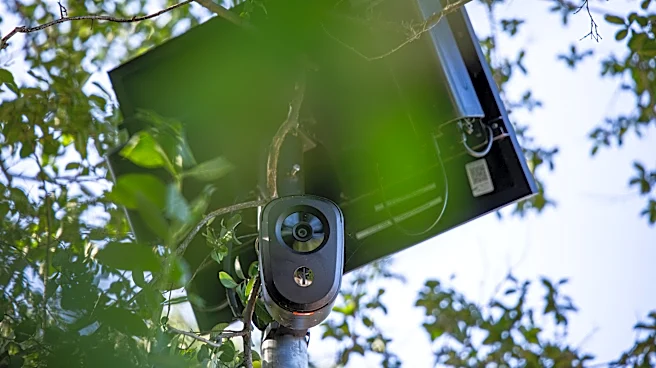
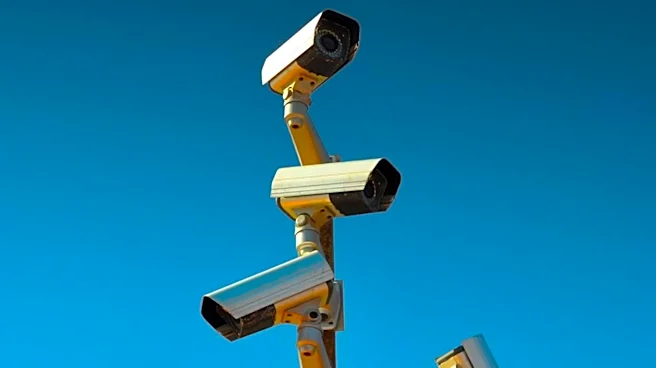
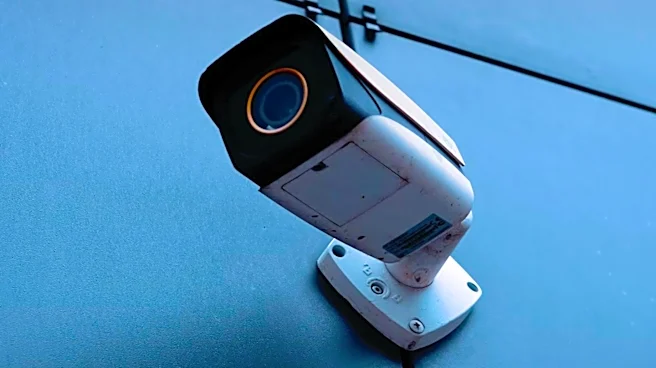
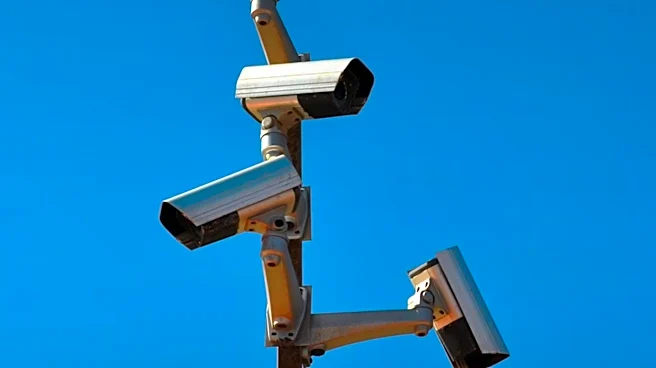
Colorado GOP Representative Lauren Boebert has voiced strong opposition to mass surveillance technologies, specifically targeting the widespread deployment of 'Flock cameras' and similar systems. In an op-ed for The Daily Caller, Boebert argued that these
fixed, always-on camera networks monitor drivers' movements without warrants or democratic consent, effectively treating every driver as a potential subject for continuous tracking. She emphasized that while she supports law enforcement and the targeted, warrant-based use of surveillance technology for legitimate investigations, the continuous tracking of free Americans without proper legal oversight undermines constitutional protections. Boebert highlighted that companies like Flock Safety have drawn public attention for their systems, but the issue extends beyond any single firm, as many vendors manufacture and sell this technology. Recent investigations have also revealed misuse of Flock cameras by police, including instances of personal surveillance, leading to changes requiring officers to tie every vehicle to a specific criminal case and offense type, and for Flock to implement an automated auditing system to flag unusual searches.
Why It's Important?
Representative Boebert's stance on mass surveillance and Flock cameras is significant as it addresses fundamental concerns about privacy and constitutional rights in the digital age. The proliferation of license plate reader technology raises questions about the balance between public safety and individual liberties. If unchecked, these systems could lead to a society where citizens are constantly monitored, potentially chilling free expression and movement. The debate over federal funding for such systems, data retention policies, and the commercial sale of surveillance information has broad implications for how personal data is collected, stored, and used by both government agencies and private entities. This issue transcends partisan lines, as the potential for misuse affects all citizens, regardless of political affiliation. The call for warrants and democratic consent underscores the importance of judicial oversight and public accountability in the deployment of powerful surveillance tools, aiming to prevent a 'surveillance state' where privacy is eroded under the guise of security.
What's Next?
The ongoing conversation surrounding mass surveillance and Flock cameras is likely to prompt further legislative efforts and public discourse. Representative Boebert's advocacy suggests a push for stricter regulations on the use of such technologies, potentially including federal legislation that mandates warrants for data collection, limits data retention periods, and prohibits the commercial sale of surveillance information. States and local municipalities may also face increased pressure to review their existing contracts with surveillance technology providers and implement more robust oversight mechanisms. The reported changes by Flock Safety, requiring officers to link vehicle searches to specific criminal cases and implementing auditing systems, indicate a growing recognition of the need for accountability. However, the effectiveness of these measures will depend on their strict enforcement and continuous evaluation. Public education campaigns on the implications of these technologies will also be crucial in fostering informed debate and ensuring that citizens understand their rights in an increasingly surveilled environment.
Beyond the Headlines
The debate over mass surveillance extends beyond immediate privacy concerns, touching upon deeper ethical and societal implications. The normalization of continuous, warrantless tracking could fundamentally alter the relationship between citizens and the state, fostering an environment of distrust and potentially leading to self-censorship or altered behavior due to the perception of constant observation. The data collected by these systems, even if anonymized, could be aggregated and analyzed to create detailed profiles of individuals, revealing travel patterns, associations, and daily routines. This raises questions about data security, the potential for data breaches, and the long-term implications of such extensive data sets falling into the wrong hands. Furthermore, the commercialization of surveillance data could create a lucrative market for personal information, blurring the lines between public safety and corporate profit. Addressing these issues requires a comprehensive approach that considers not only legal frameworks but also ethical guidelines and public values to ensure that technological advancements serve society without undermining its foundational principles of freedom and privacy.