





What's Happening?
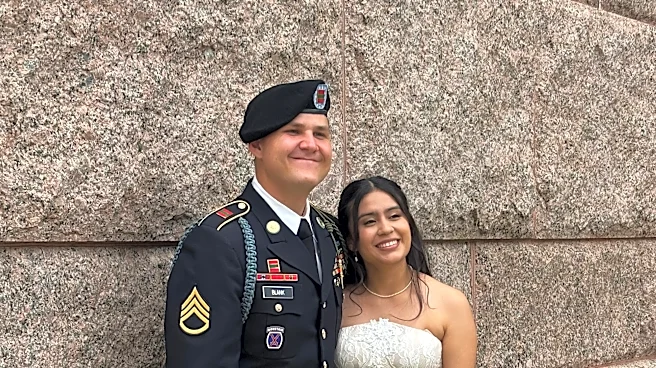
Annie Ramos, the wife of US Army Staff Sgt. Matthew Blank, was released from immigration detention after being held at a Louisiana military base. Ramos, who was born in Honduras and entered the US as a child, faced deportation due to a final order of removal
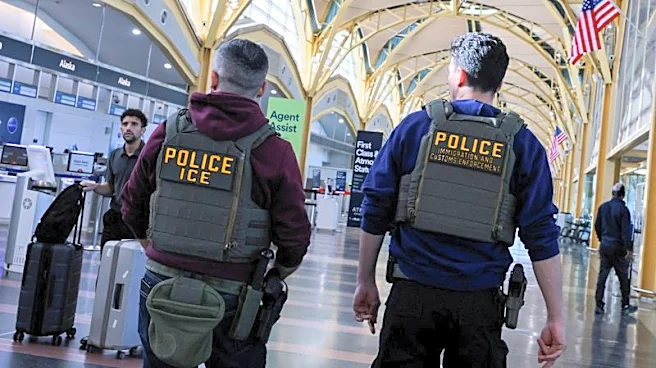
issued when her family missed an immigration hearing in 2005. Her detention drew criticism from military family advocates, who argued that such actions could harm military recruitment and morale. The Department of Homeland Security (DHS) has recently shifted its policy, no longer considering military service of family members as a mitigating factor in immigration enforcement. This change is part of a broader agenda under the Trump administration to enforce immigration laws more strictly, affecting military families who previously might have been granted leniency.
Why It's Important?
The detention and potential deportation of military spouses like Ramos highlight the tension between immigration enforcement and military family stability. The policy shift by DHS could undermine the morale and readiness of military personnel, as family stability is crucial for service members. The case has sparked a debate about the balance between enforcing immigration laws and supporting military families, who play a vital role in national security. Critics argue that the policy could deter potential recruits and harm the military's image, as it appears to disregard the sacrifices made by service members and their families.
What's Next?
The case of Annie Ramos may prompt further scrutiny and potential policy discussions regarding the treatment of military families in immigration enforcement. Advocacy groups and some members of Congress have already expressed concern, urging DHS and the Department of Defense to reconsider the impact of such policies. The situation could lead to legislative efforts to protect military families from deportation, ensuring that service members are not distracted by personal crises while serving the country.
Beyond the Headlines
The broader implications of this case touch on ethical and cultural dimensions, questioning the values and priorities of the US immigration system. The treatment of military families in immigration matters could reflect on the nation's commitment to those who serve and their loved ones. This situation also raises questions about the long-term effects on military recruitment and retention, as potential recruits may reconsider enlisting if they perceive a lack of support for their families.