





What's Happening?
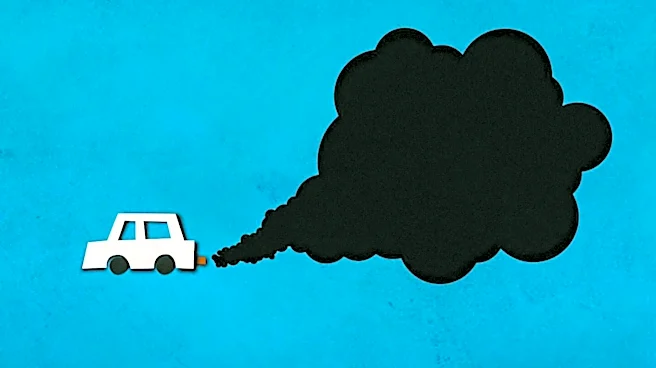
Utah has successfully reduced vehicle emissions by 73% since 2011, according to new data from the Wasatch Front Regional Council and the Utah Division of Air Quality. This reduction occurred despite a 20% increase in population and a 30% rise in total
miles traveled by Utahns over the past 15 years. The primary factors contributing to this decline are technological advancements, improved public transportation, and urban planning initiatives. A significant technological contributor is the widespread adoption of Tier 3 gasoline, which has a lower sulfur content and can cut tailpipe emissions by up to 80% in some vehicles. The U.S. Environmental Protection Agency adopted standards for Tier 3 gasoline in 2017, and it is now widely available across the northern Wasatch Front area. Public transportation, such as the Utah Transit Authority’s TRAX light rail and FrontRunner commuter rail, has also played a crucial role, with millions of riders annually. Additionally, urban planning efforts have focused on creating more walkable city centers, enabling residents to live, work, and shop with a lower carbon footprint.
Why It's Important?
This achievement is important for Utah, a state that has historically faced challenges with air quality. The substantial reduction in vehicle emissions, particularly smog-forming pollutants like nitrogen oxides and volatile organic compounds, directly translates to cleaner air and improved public health for its residents. The success demonstrates that environmental progress is possible even in the face of significant demographic and economic growth. The widespread availability of Tier 3 gasoline, mandated by federal standards, highlights the effectiveness of regulatory measures in driving environmental improvements across the automotive sector. Furthermore, the emphasis on public transportation and urban planning provides a replicable model for other growing regions in the U.S. seeking to mitigate the environmental impact of increased urbanization and vehicle usage. This multi-faceted approach benefits not only air quality but also addresses issues like traffic congestion, fostering more sustainable community development.
What's Next?
While significant progress has been made, air quality experts anticipate that future emission reductions may not be as dramatic. The continued growth in population and the trend of building farther from job centers mean that the average vehicle miles traveled daily are still increasing. However, ongoing advancements in cleaner vehicle technologies, including electric vehicles and fuel-efficient hybrids, along with the expansion and upgrades of public transportation systems like the FrontRunner commuter rail, are expected to continue contributing to emission reductions. Teleworking also offers a means to reduce daily commutes. Policymakers and stakeholders are finding common ground in addressing both air quality and transportation congestion, suggesting continued collaborative efforts. Despite the progress, experts caution against complacency, emphasizing that even with cleaner air, the negative health impacts of air pollution remain a concern, necessitating ongoing vigilance and further initiatives.
Beyond the Headlines
The Utah case study offers deeper insights into the complex interplay between population growth, technological innovation, infrastructure development, and public health. It underscores the ethical imperative of balancing economic development with environmental stewardship. The success of Tier 3 gasoline highlights how federal regulations can catalyze industry-wide shifts towards more sustainable practices, even if the cost is slightly higher for consumers. The integration of public transportation and urban planning into emission reduction strategies points to a broader cultural shift towards valuing livable, walkable communities and reducing reliance on single-occupancy vehicles. This holistic approach to environmental challenges, combining policy, technology, and urban design, could serve as a blueprint for other regions grappling with similar issues. It also raises questions about long-term behavioral changes and the potential for sustained public engagement in environmental initiatives, moving beyond mere compliance to active participation in creating healthier urban environments.