






What's Happening?
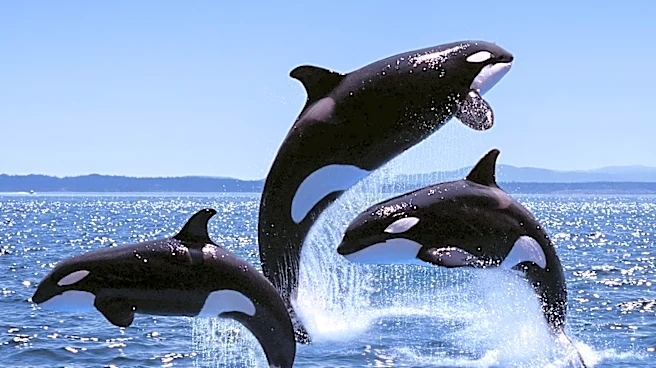
A pod of Eastern Tropical Pacific orcas, typically found in waters off Mexico, Costa Rica, and as far south as Peru, has been sighted off the coast of Orange County, California. The pod, consisting of 13 orcas including two calves, was first spotted near
Dana Point and subsequently moved north towards Newport Beach and Huntington Beach. This marks a rare occurrence, as these orcas were last seen by local whale watching boats in January 2024. Whale watching charters in the area were actively looking for them after recent sightings off San Diego. Donna Kalez, manager of Dana Wharf Sportfishing & Whale Watching, described the sighting as a "chance-of-a-lifetime." Captain Steve Burkhalter noted the orcas' steady movement up the coast, surfacing for breaths every 4 to 5 minutes. These Eastern Tropical Pacific orcas are known for their elusive nature and a generalist diet that includes dolphins, sea turtles, sharks, and other whales, distinguishing them from killer whale populations in colder waters. They also possess faint saddle patches, a distinctive physical characteristic.
Why It's Important?
The rare appearance of Eastern Tropical Pacific orcas off the Orange County coast holds significant importance for marine biology and local tourism. For marine researchers, these sightings offer valuable opportunities to study a population of orcas that is considered elusive and poorly understood. Observing their movements, feeding habits, and social interactions in an unusual location can provide critical data to enhance conservation efforts and deepen scientific knowledge about their migratory patterns and ecological roles. From a tourism perspective, these events create a surge in interest for whale watching tours, boosting local economies and providing unique experiences for residents and visitors. The excitement generated by such rare sightings can also raise public awareness about marine wildlife and the importance of ocean conservation. The unpredictability of their appearances underscores the dynamic nature of marine ecosystems and the potential impacts of environmental changes on species distribution. The fact that this same family pod was documented previously in 2023-2024 suggests a potential shift in their range or a recurring pattern that warrants further investigation.
What's Next?
The immediate focus for local whale watching operators and marine enthusiasts will be to track the movements of this orca pod. While it is uncertain how long they will remain off Orange County, tour operators are hopeful for an extended stay, similar to their previous visit nearly three years ago. Continued monitoring will provide more insights into their behavior and potential future appearances. For the public, this means ongoing opportunities for rare sightings, with whale watching companies likely to continue offering specialized tours. Researchers will likely analyze data collected during this period to better understand the factors influencing these orcas' presence in Southern California waters. This could include studying oceanographic conditions, prey availability, and any potential links to broader climate or environmental shifts. The long-term implications could involve re-evaluating the known range and migratory patterns of Eastern Tropical Pacific orcas, potentially leading to updated conservation strategies or protected area considerations if these rare visits become more frequent.
Beyond the Headlines
The presence of these tropical orcas in Southern California waters highlights broader ecological themes, particularly the interconnectedness of marine environments and the potential for species to adapt or shift their ranges. The generalist diet of these orcas, as noted by Dana Wharf naturalist Laura Lopez, suggests a flexibility that might allow them to exploit diverse food sources across different regions. This adaptability could be a key factor in their survival in a changing ocean. Furthermore, the excitement generated by these sightings underscores the public's enduring fascination with marine megafauna and the role of such events in fostering environmental stewardship. The challenge for conservationists lies in balancing the economic benefits of wildlife tourism with the need to protect these vulnerable species from potential disturbances. The 'elusive and still poorly understood' nature of these orcas also points to the vast unknowns that remain in ocean science, emphasizing the continuous need for research and observation to safeguard marine biodiversity.