






What's Happening?
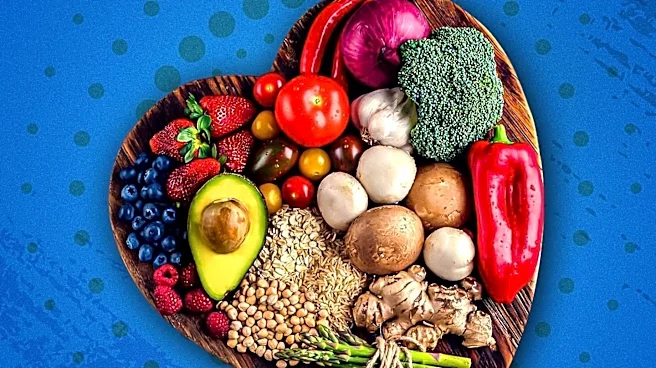
Dr. Shiv K. Goel, a board-certified internal medicine and functional medicine physician in San Antonio, Texas, highlights a critical oversight in current 'food is medicine' programs. He argues that while these programs often fund meals, they frequently
neglect the necessary infrastructure to ensure patients can effectively utilize the provided food. Dr. Goel reflects on his own clinical experience, where he realized that simply prescribing dietary changes without understanding a patient's home environment, such as who cooks or where food is stored, leads to non-adherence. He cites the MUTTON-HF trial in JAMA Internal Medicine, which demonstrated significant improvements in heart failure patients in the Navajo Nation through a comprehensive program that not only provided culturally tailored meals but also supplied microwaves, mini-refrigerators, propane appliances, and a robust distribution network for those without mail delivery or transportation. This trial underscored that the success of such interventions hinges on addressing logistical barriers beyond just meal provision.
Why It's Important?
The insights from Dr. Goel and the MUTTON-HF trial are crucial for the U.S. healthcare system, particularly as 'food is medicine' initiatives gain traction. Without adequate infrastructure, these programs risk inefficiency and failure, leading to continued poor health outcomes and increased healthcare costs. The current approach often places the burden of implementation on patients, who may lack the resources or facilities to follow dietary advice. By failing to 'line-item the refrigerator' or 'the drive,' healthcare systems overlook fundamental determinants of health. This can perpetuate health disparities, as vulnerable populations are often those most affected by food insecurity and lack of proper storage or cooking facilities. Recognizing and funding these infrastructural needs can transform dietary prescriptions from theoretical advice into actionable interventions, ultimately improving patient adherence, reducing hospital readmissions, and enhancing overall public health.
What's Next?
Dr. Goel proposes a simple yet impactful change for clinicians: asking two additional questions before prescribing a dietary plan – 'Who cooks?' and 'Where does the food live once it gets to the house?' He suggests documenting these answers prominently in patient notes, alongside clinical metrics, to make these social determinants of health visible in the data. If enough healthcare providers adopt this practice, it could shift the narrative from blaming patient non-adherence to recognizing systemic gaps. This increased visibility could pressure health systems and policymakers to allocate resources for the necessary infrastructure, such as providing appliances or establishing robust food delivery networks, similar to the successful model in the Navajo Nation. The long-term goal is to integrate these infrastructural considerations into the standard of care for 'food is medicine' programs, ensuring they are built for real-world effectiveness.
Beyond the Headlines
The discussion around 'food is medicine' programs extends beyond mere nutrition to highlight deeper ethical and systemic issues within healthcare. It exposes how clinical practices, often driven by standardized templates and time constraints, can inadvertently overlook the complex social realities of patients. The emphasis on infrastructure reveals a broader need for a holistic approach to health that acknowledges the interconnectedness of medical care with social, economic, and environmental factors. This perspective challenges the traditional medical model that often separates treatment from the patient's living conditions. By addressing these underlying infrastructural needs, healthcare systems can move towards a more equitable and effective model of care, fostering greater trust and engagement with patients, and ultimately contributing to a more resilient and healthier society.