







What's Happening?
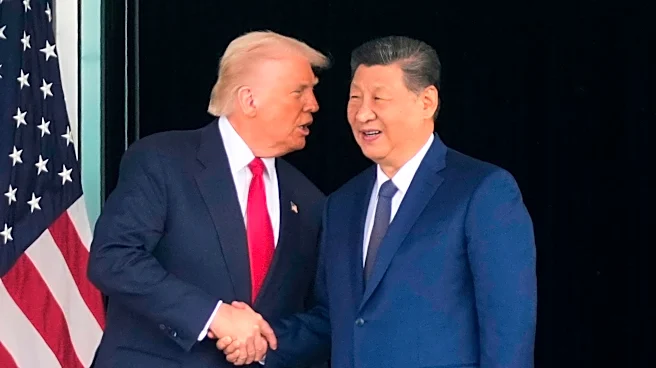
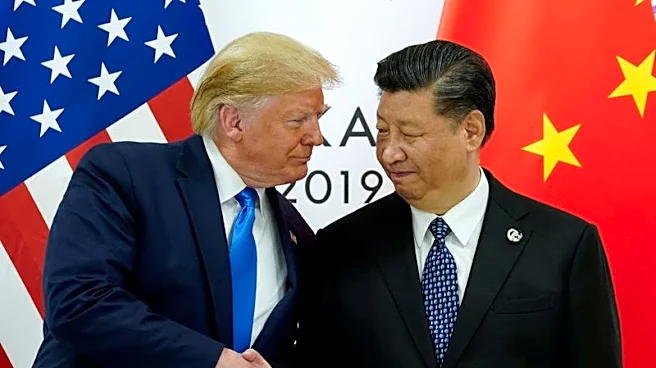
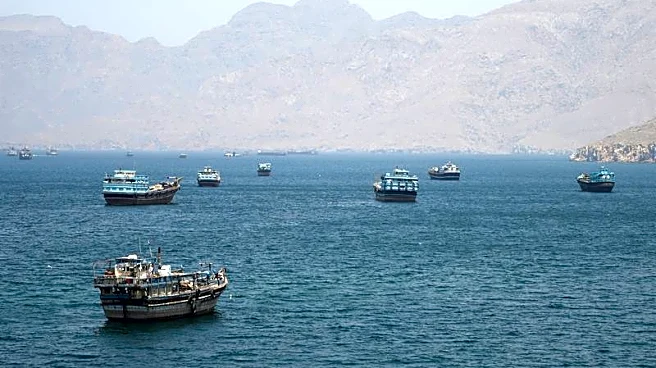
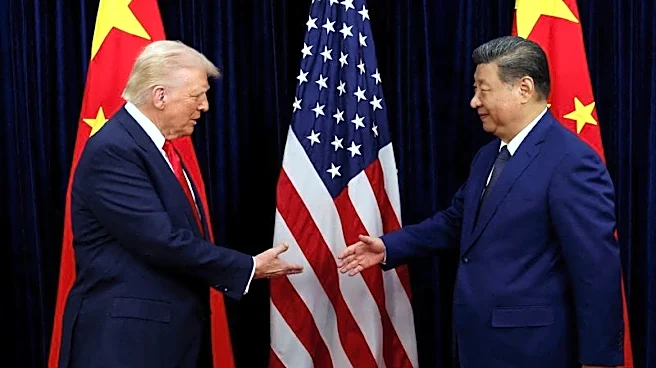
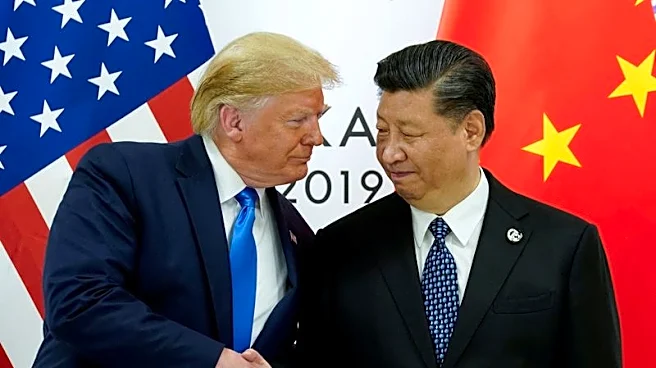
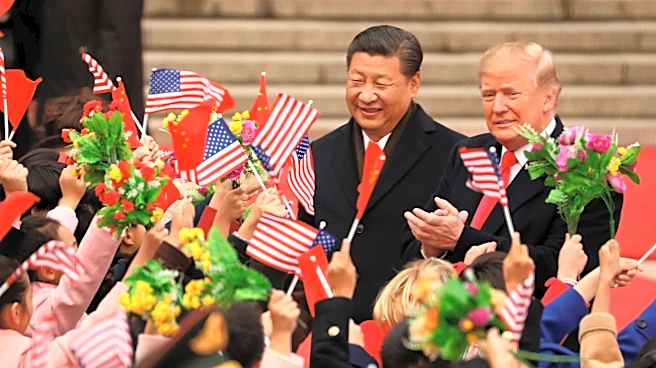
President Trump is set to meet Chinese President Xi Jinping in Beijing from May 13-15, with the U.S.-China trade war and the Iran conflict high on the agenda. The summit, initially delayed due to the U.S.-Iran war, aims to address the high tariffs imposed
by Trump last year and the reopening of the Strait of Hormuz, a critical passage for global oil supply. China, affected by the conflict, seeks stability and predictability in trade relations. The meeting may result in a broadly worded statement to extend the trade truce agreed in South Korea. Additionally, the summit will address arms sales to Taiwan, a contentious issue for Beijing.
Why It's Important?
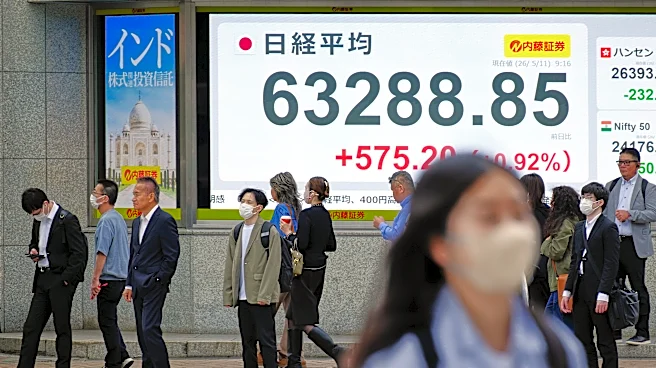
The summit is crucial for addressing the economic and geopolitical tensions between the U.S. and China. The outcome could influence global trade dynamics, particularly concerning tariffs and the reopening of the Strait of Hormuz. The meeting also highlights the strategic importance of China's role in the Iran conflict and its potential leverage in negotiations. The discussions may impact international perceptions of China's influence and its relationship with the U.S. The summit's results could set the tone for future cooperation or competition in areas like trade and technology, affecting global economic and political landscapes.
What's Next?
The summit is expected to focus on establishing a framework for future China-U.S. relations, potentially leading to agreements on trade and cooperation. Both nations may work towards a stable relationship that addresses mutual concerns, such as the Iran conflict and trade imbalances. The summit could also pave the way for further dialogue on sensitive issues like Taiwan and technological competition. The international community will closely watch the outcomes, as they could influence global economic policies and geopolitical alliances. Future interactions between the two leaders may continue to shape the bilateral relationship and its impact on global affairs.