




What's Happening?
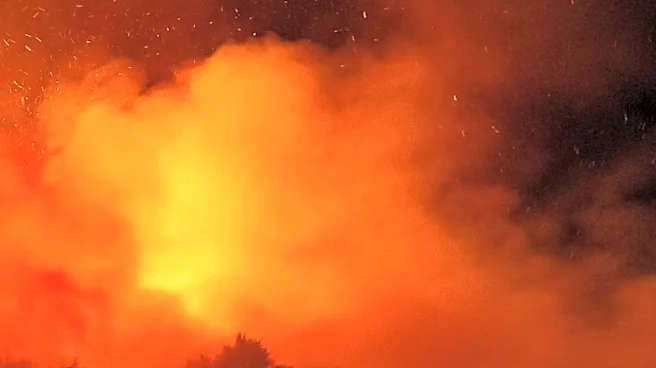
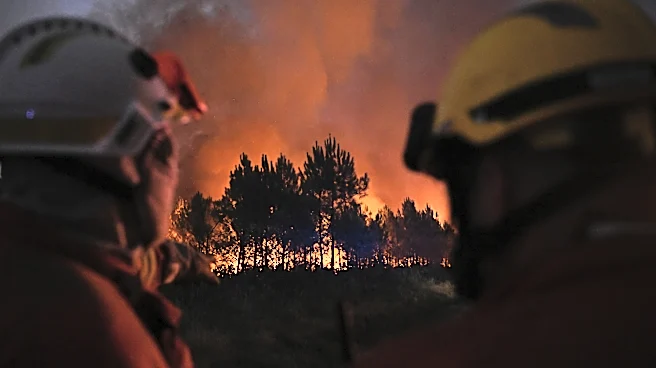
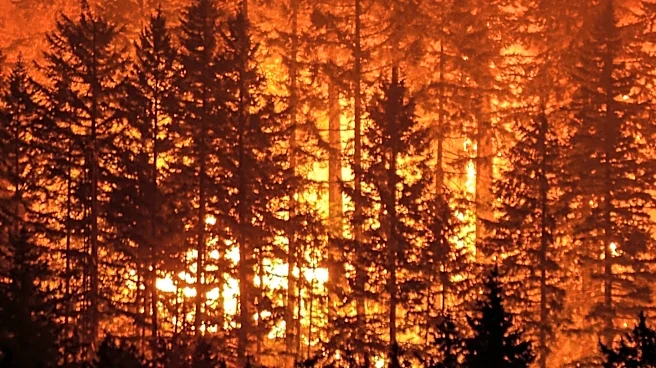
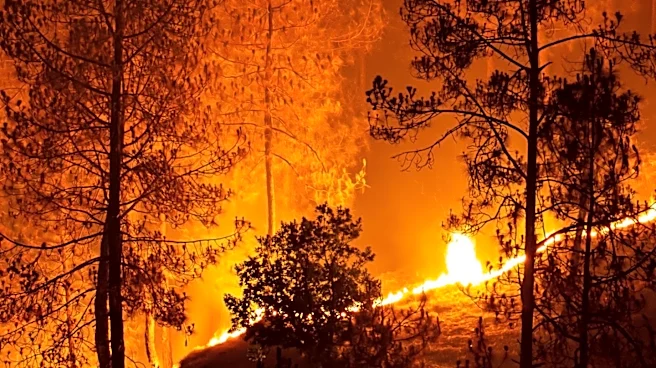
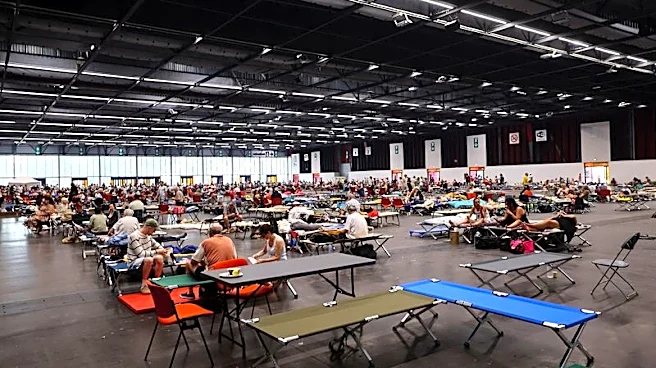
Wildfires are increasingly threatening urban areas and causing mass evacuations in Europe and North America. In France, fires have approached the outskirts of Bordeaux, leading to the evacuation of 220,000 people. Spain has also seen significant evacuations,
with fires burning through central and eastern regions. Across the Atlantic, Canada is experiencing hundreds of fires, with smoke affecting air quality in the United States. Experts attribute these fires to a combination of heat, drought, and vegetation dried by prolonged warm weather, exacerbated by climate change. The European Commission's Joint Research Centre reported that the EU has recorded 1,254 fires this year, more than double the long-term average, with 254,388 hectares burned.
Why It's Important?
The intensification of wildfires poses significant risks to public safety, health, and the environment. The smoke from these fires has degraded air quality, turning wildfires into a public health issue beyond the immediate fire zones. The economic impact is also substantial, with resources being diverted to firefighting efforts and the potential for long-term damage to agriculture and infrastructure. The situation underscores the urgent need for effective climate change mitigation strategies, as the frequency and intensity of such fires are expected to increase with rising global temperatures.
What's Next?
As wildfires continue to pose a threat, governments and international organizations may need to enhance their firefighting capabilities and develop more robust disaster response strategies. There is also a growing need for policies that address the root causes of climate change to prevent further escalation of such natural disasters. Public awareness and preparedness campaigns could be crucial in minimizing the impact on affected communities.
Beyond the Headlines
The ongoing wildfires highlight the complex interplay between natural and human factors in climate-related disasters. While climate change is a significant driver, factors such as land management and firefighting capacity also play critical roles. This complexity necessitates a multifaceted approach to disaster management and climate policy, emphasizing the importance of international cooperation in addressing global environmental challenges.