





What's Happening?
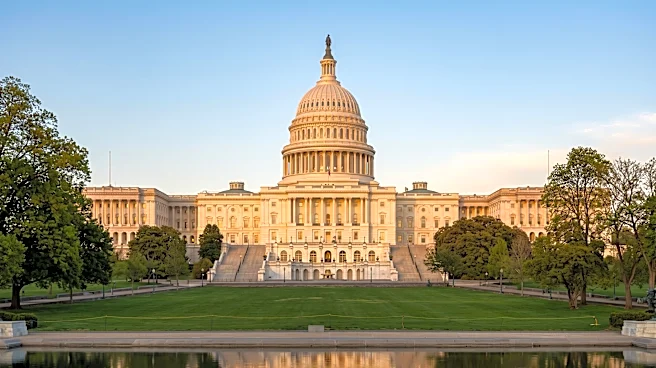
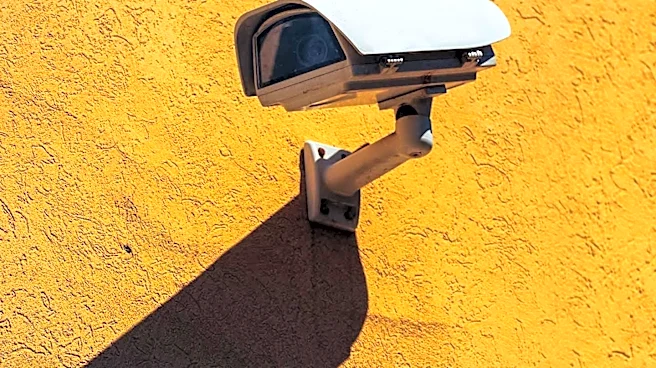
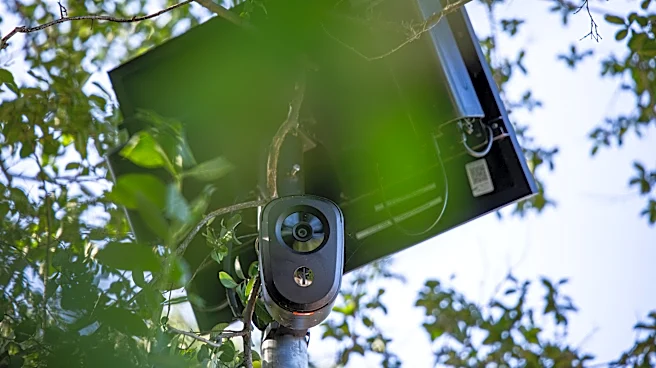
U.S. Representative Eric Burlison (R-Mo.) has co-sponsored the 'Flock-Off Act' (H.R. 10221), a bill introduced by Republican Representative Thomas Massie of Kentucky. This legislation aims to prohibit federal funding for Flock cameras and similar real-time
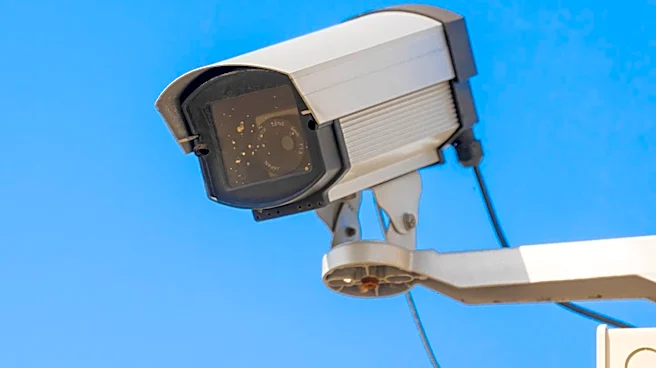
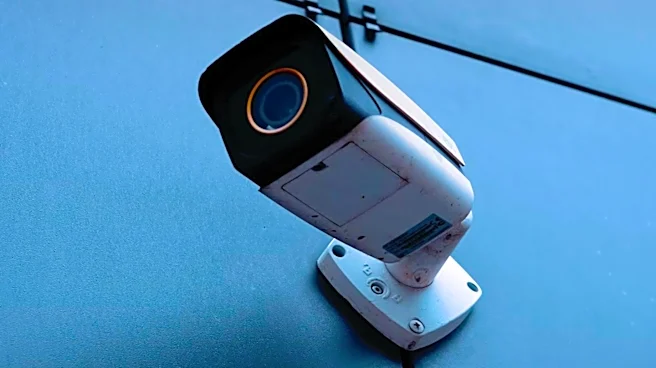
surveillance systems. The bill, supported by Burlison and six other bipartisan lawmakers, would prevent federal money from being used for surveillance cameras, related contracts, database access, and subscriptions. If enacted, existing systems purchased with federal funds would need to be removed or shut down within 180 days. While the bill would not ban communities from purchasing cameras with local money, it includes exceptions for toll collection and certain border-security operations. Burlison expressed concerns about privacy, stating he does not want to live in a 'George Orwell dystopia' where everything is tracked, despite acknowledging the cameras' utility in solving crimes and Amber Alerts.
Why It's Important?
The 'Flock-Off Act' addresses significant privacy concerns related to the proliferation of real-time surveillance technology across the United States. The bill highlights a growing debate between public safety and individual civil liberties. While surveillance cameras can aid law enforcement in crime prevention and resolution, critics argue they can lead to mass surveillance and potential abuses of power, infringing on constitutional rights. Representative Burlison's support underscores a bipartisan concern about the scope and use of such technologies. The legislation could impact how local law enforcement agencies fund and utilize surveillance systems, potentially shifting the financial burden to local budgets or encouraging the development of alternative, less intrusive technologies. This initiative reflects a broader national conversation about data privacy in an increasingly monitored society.
What's Next?
The 'Flock-Off Act' has been introduced but has not yet received a vote. The next steps would involve the bill moving through the legislative process, including committee hearings and potential votes in the House of Representatives. Its bipartisan support suggests it may gain traction, but it could also face opposition from law enforcement agencies and proponents of surveillance technology who argue for its necessity in maintaining public safety. The debate surrounding the bill will likely involve discussions on the balance between security and privacy, the effectiveness of current surveillance systems, and the potential for alternative solutions. The outcome could set a precedent for federal involvement in regulating local surveillance practices and funding.
Beyond the Headlines
The 'Flock-Off Act' delves into the deeper implications of technological advancements on societal norms and constitutional rights. The debate over real-time surveillance cameras touches upon the concept of a 'surveillance state' and the erosion of anonymity in public spaces. Beyond the immediate funding implications, the bill raises ethical questions about data retention, potential for misuse of collected information, and the impact on marginalized communities who may be disproportionately affected by increased surveillance. The legislation also highlights the tension between technological capability and legal frameworks, as laws often struggle to keep pace with rapid advancements in surveillance technology. This initiative could spark broader discussions about the need for comprehensive federal regulations on data privacy and surveillance, potentially influencing future policy decisions regarding emerging technologies like AI-powered monitoring systems.