
What's Happening?
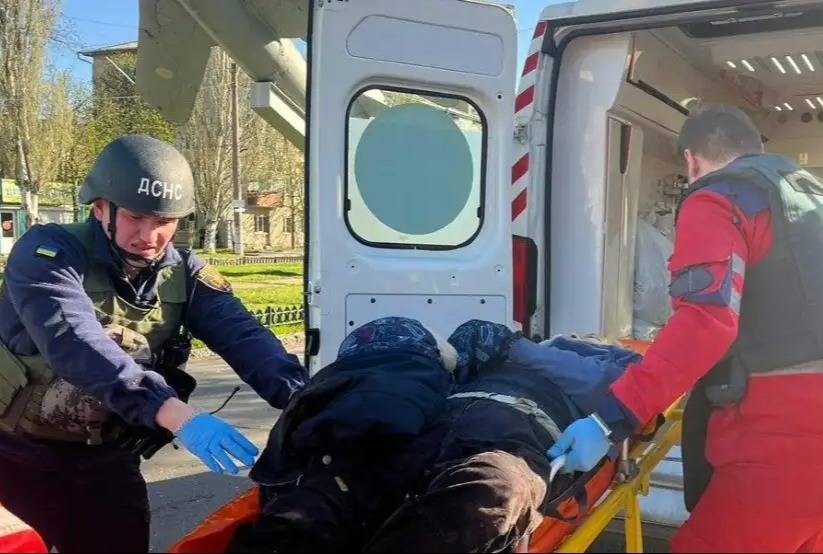
The international rules protecting civilians in armed conflict are facing significant challenges due to current crises in the Middle East, Ukraine, and Sudan. As security alliances fracture and weapons
systems evolve, civilians are increasingly at risk. Philanthropy is called to invest strategically in norms and capacities that protect civilian life, moving beyond reactive responses to specific crises. The philanthropic sector has the opportunity to support civil society organizations that have developed expertise in civilian protection, fostering a coherent ecosystem to address systemic challenges. This approach could enhance policy formulation on autonomous weapons and artificial intelligence in military operations, contributing to crisis diplomacy and international law.
Why It's Important?
The call for strategic philanthropic investment in civilian protection is crucial as global conflicts threaten human life and stability. By supporting civil society organizations, philanthropy can play a pivotal role in reinforcing international norms and fostering accountability in military operations. This investment is essential to prevent the erosion of protective measures and to ensure that civilian harm is not normalized in conflicts. The philanthropic sector's engagement could lead to significant policy changes, influencing how governments and international bodies address civilian protection. This approach aligns with broader efforts to promote peace, human rights, and international security, highlighting the interconnectedness of global challenges.
Beyond the Headlines
The philanthropic sector's involvement in civilian protection could lead to long-term shifts in how conflicts are managed and resolved. By investing in civil society organizations, philanthropy can drive innovation in data analysis and policy frameworks, enhancing transparency and accountability. This strategic approach may also influence the development of new technologies and methodologies for civilian protection, fostering collaboration between governments, NGOs, and academic institutions. The focus on systemic challenges could transform the field, creating a more resilient and adaptive ecosystem capable of addressing emerging threats. This investment represents a critical opportunity to shape the future of international peace and security.