
What's Happening?
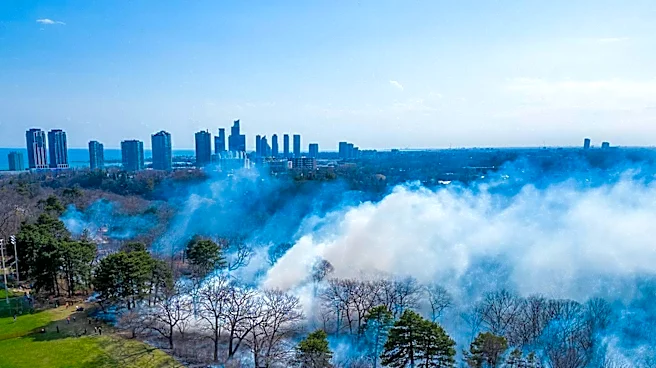
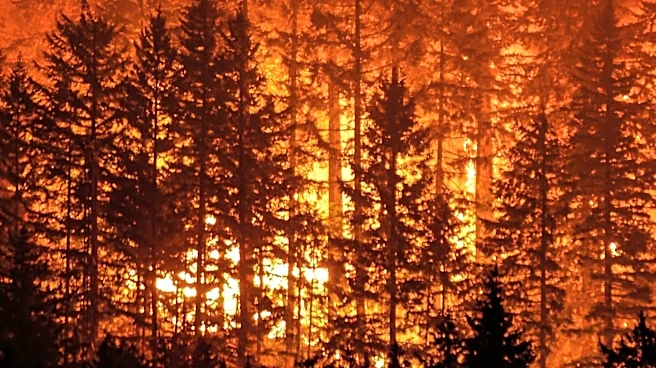
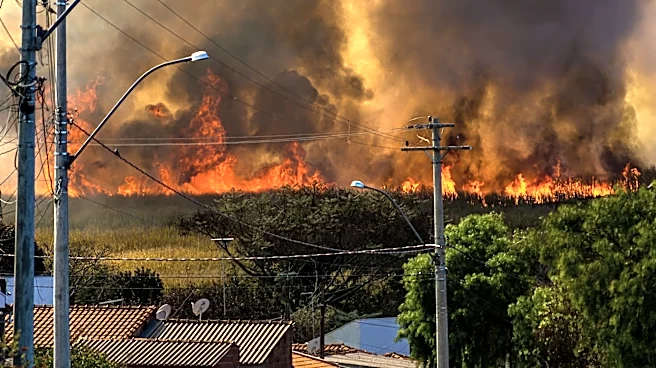
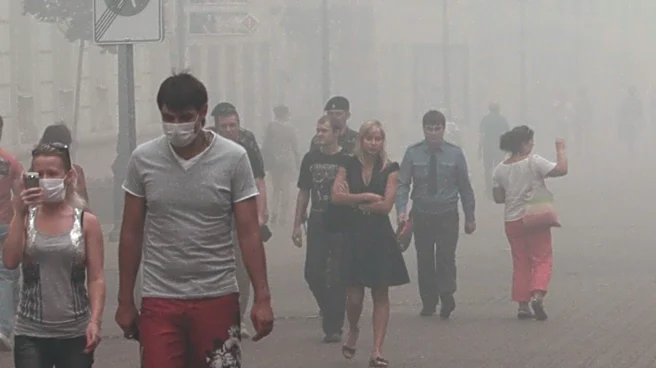
Wisconsin is experiencing very unhealthy air quality as smoke from Canadian wildfires blankets the region. The smoke has persisted over the state and extended across the upper Eastern US, exacerbated by
heat and drought conditions linked to global warming. Residents are advised to take precautions, such as using N95 masks and upgrading HVAC filters to mitigate the health impacts of the smoke. The situation highlights the challenges posed by climate change and the need for effective air quality management strategies.
Why It's Important?
The poor air quality in Wisconsin underscores the broader environmental and public health challenges associated with climate change. The smoke from wildfires poses significant health risks, particularly for individuals with respiratory conditions. This situation highlights the interconnectedness of climate events and their impact on human health and safety. It also emphasizes the importance of preparedness and adaptation measures to protect communities from the adverse effects of climate-related events. The ongoing air quality issues may prompt discussions on policy measures to address climate change and improve air quality standards.
What's Next?
As the smoke continues to affect air quality, residents and authorities will need to remain vigilant and take necessary precautions. Public health advisories and updates will be crucial in guiding the community's response to the situation. In the long term, there may be increased advocacy for policies aimed at reducing greenhouse gas emissions and mitigating climate change impacts. The situation may also lead to a reevaluation of air quality management practices and the implementation of more robust measures to protect public health.