




What's Happening?
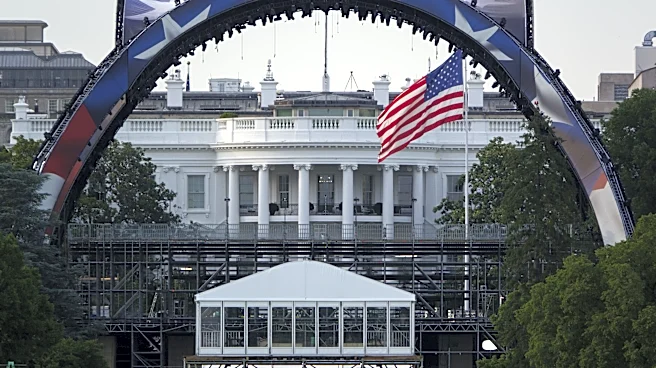
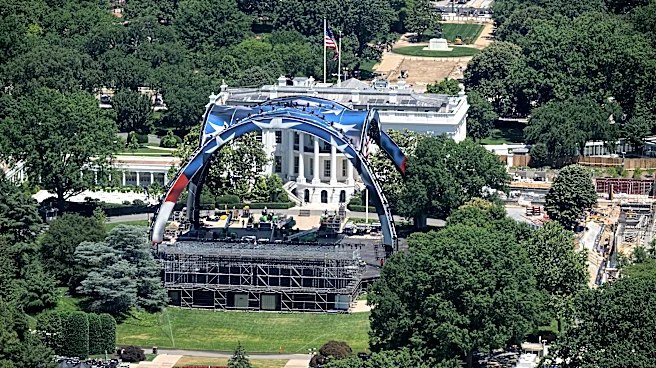
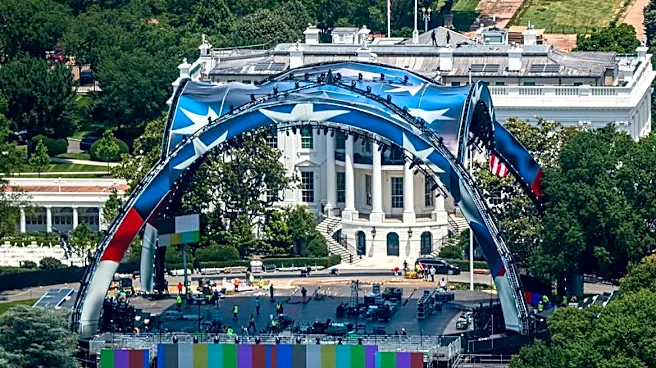
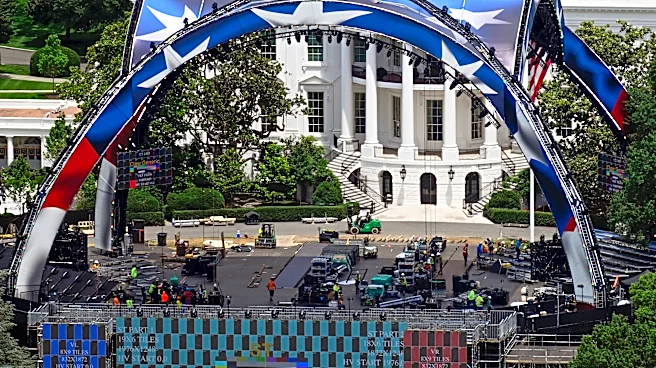
A lawsuit has been filed to block the Ultimate Fighting Championship (UFC) Freedom 250 event scheduled to take place on the White House grounds on June 14. The lawsuit, filed by the Public Integrity Project on behalf of two Virginia residents, argues
that the event is a 'deeply corrupt' corporate handout. It claims that the Trump administration's authorization of the event violates National Park Service regulations, which prohibit sporting events on federal parklands. The lawsuit highlights that the event did not receive congressional approval and accuses the administration of granting the UFC and its CEO, Dana White, unfettered access to the White House and Lincoln Memorial for a private, for-profit event. The Department of the Interior has defended the event, stating it is similar to other White House-hosted events and is properly permitted.
Why It's Important?
The lawsuit raises significant concerns about the use of federal lands for private gain, particularly when linked to high-profile figures with close ties to the administration. The event's approval without congressional oversight could set a precedent for future use of national monuments and federal spaces for commercial purposes. This situation highlights potential conflicts of interest and the blurring of lines between public resources and private enterprise. The outcome of this legal challenge could impact how federal lands are utilized for private events and influence future policy decisions regarding the separation of government and private interests.
What's Next?
The plaintiffs are expected to seek a court order to halt the event before it occurs, as the lawsuit would become moot if the event proceeds as planned. The legal proceedings will likely draw public attention to the issues of private use of public spaces and the potential for government favoritism. If the court grants an injunction, it could prevent the event from taking place and prompt a reevaluation of the policies governing the use of federal lands for private events. The case may also influence public opinion on the administration's handling of public resources.